ADF STAFF
It’s supposed to be simple. A doctor prescribes medicine — an antibiotic for an infection or perhaps an antimalarial — and a trusted pharmacist dispenses the drug to the patient. The patient trusts the product and takes it as directed.
But the prevalence of fake and substandard medicines in Africa, and a corresponding lack of regulatory and procedural safeguards, means that too often remedies fail to heal, or even harm, those who take them. In some cases, these phony drugs are dispensed on streets or in unlicensed pharmacies without medical input.
The economic toll of fake drugs also is profound. The World Health Organization says it costs between $12 million and $44.7 million yearly to treat malaria patients who used fake or substandard medicines in Sub-Saharan Africa. Authorities seized 605 tons of suspect products in West Africa alone between January 2017 and December 2021. Some counterfeits arrive from China, India and Europe.
A recent study from Bahir Dar University in Ethiopia indicates that more than a fifth of all medicines in Africa could be fake or substandard. The U.N. estimates that up to 500,000 people die each year in Sub-Saharan Africa from these bogus drugs.
“Hospitals in Nigeria over the past years admitted more than a thousand victims of adverse drug reactions such as rashes, pain, difficulty in breathing, and even death due to fake drug use,” Dr. Michael Omoke, of Nigeria, told the Organized Crime and Corruption Reporting Project in August.
Among the most common counterfeit medicines are antibiotics and antimalarials. Nigeria’s National Agency for Food and Drugs Administration and Control (NAFDAC) in August issued a public alert about a counterfeit of the antimalarial Lonart Suspension, a liquid that blends two medications. The product displayed a registration number for a different drug that had expired five years ago.
In 2022, the same agency alerted consumers to fake Augmentin antibiotic tablets. Augmentin is a common drug used to treat bacterial pneumonia and infections of the sinuses, ears, lungs, skin and urinary tract.
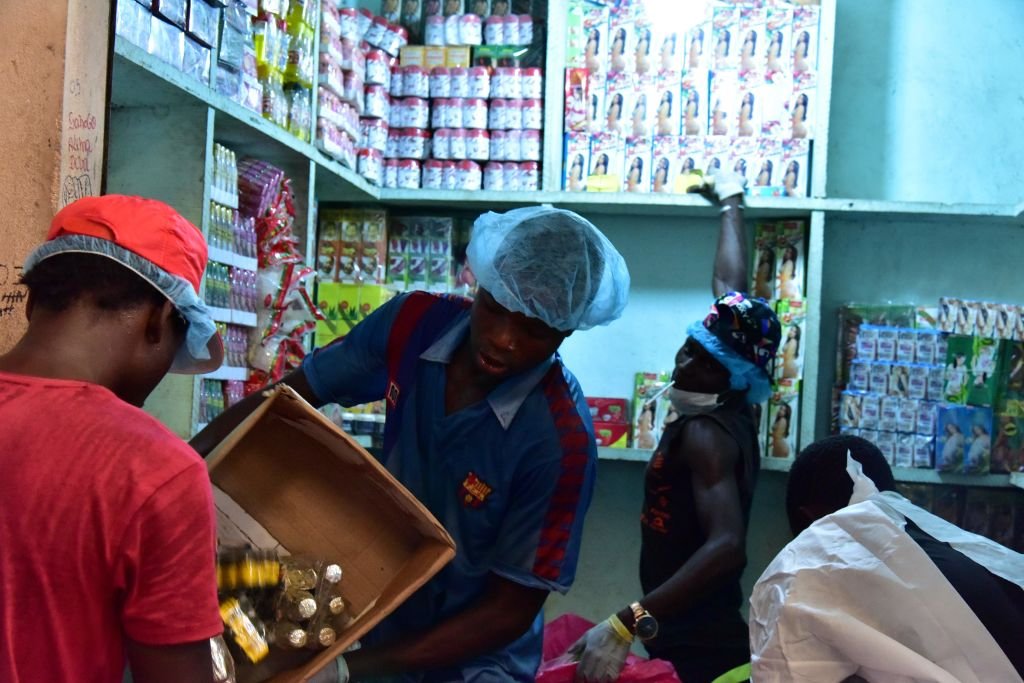
In June, NAFDAC announced the destruction of 985 million naira ($625,000) in fake goods that included substandard, fake and falsely labeled medicines such as psychoactives, antibiotics, antimalarials, analgesics, herbal remedies and blood pressure pills, according to Nigerian news site Nairametrics.
“They are not mere substandard goods; they are potential instruments of harm that could devastate families and derail our nation’s progress,” said Professor Mojisola Adeyeye, director-general of Nigeria’s National Agency for Food and Drug Administration and Control. “By destroying these items, we send a clear message: There is no place for counterfeit and unsafe products in Nigeria.”
The problem is especially prevalent in the Sahel. Medical products are imported through Gulf of Guinea seaports before being transported inland to countries including Burkina Faso, Chad, Mali, Mauritania and Niger. High rates of infectious disease, combined with a lack of availability of affordable health care, mean demands often are met outside formal, regulated channels. This creates space for organized crime syndicates to move the drugs along established trafficking routes.
Innovations such as blockchain technology that track drug dispensation have shown promise, but counterfeiters have become adept at cloning scratch-off labels and other packaging safeguards, according to The Africa Report. Consumers sometimes fail to verify the labels to confirm they have a legitimate product.
Officials across the continent have recognized the importance of strengthening regulation of medical products. The African Union Assembly in February 2019 established the African Medicines Agency (AMA) to improve public access to safe and effective medicine and medical products on the continent. It required ratification by 15 member states. So far, 28 have done so.
Among other things, the AMA aims to support the growth of local pharmaceutical production and evaluate medical products for treatment of priority diseases as determined by the AU. It also will inspect, coordinate and share information about authorized products for marketing.
The AMA is tasked with coordinating joint inspections of manufacturing sites and working with regional economic communities and national regulatory authorities to identify substandard and fake medical products and help share information about them among countries.