

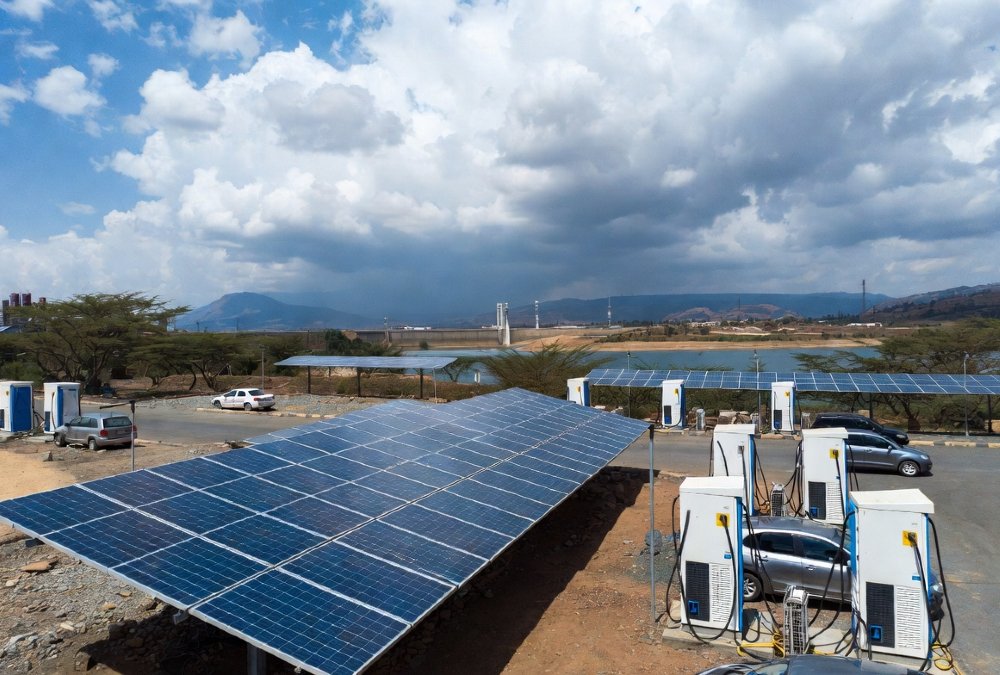
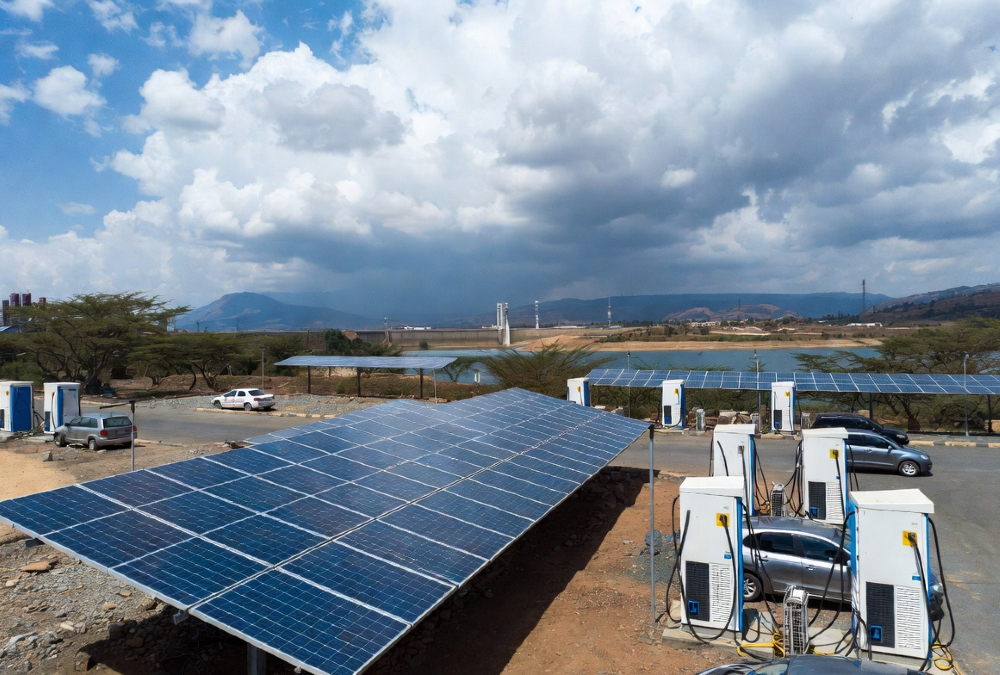
Ethiopia is rapidly emerging as a leader in electric mobility. In January 2024, the government banned imports of gasoline and diesel cars while sharply reducing tariffs on electric vehicles, triggering a surge in EV adoption.
The policy reflects economics as much as environmental ambition. Ethiopia imports all of its fuel, with the bill reaching roughly US$4 billion in 2022.
Electricity offers an alternative advantage. The country’s power supply – largely generated from hydropower, wind, and solar – has expanded with projects such as the Grand Ethiopian Renaissance Dam, helping keep domestic energy costs low.
The shift is already visible. Government data suggest EV penetration has jumped from below 1 percent to above 6 percent in under two years, exceeding the global average of about 4 percent. Most imports are low-cost Chinese models.
Officials argue the strategy enhances economic sovereignty. As Bareo Hassen Bareo, state minister for transport and logistics, noted, reliance on imported fuel exposes the country to volatile global prices, whereas electricity is locally produced and controlled.
The transition also carries diplomatic symbolism. Addis Ababa is scheduled to host a future climate summit organized by the United Nations, reinforcing Ethiopia’s effort to present itself as a regional clean-energy pioneer.


