

A recent report showed that the DRC, similar to Burkina Faso, has taken the side of those accepting U.S health funding, just a year after the U.S. President Donald Trump halted USAID to Africa.
According to a joint statement released Thursday, the agreement will run from 2026 to 2031, combining $900 million in U.S. assistance with $300 million in progressively scaled domestic spending by the Congolese government.
As seen on Reuters, the agreement is intended to address some of the country’s most critical public health objectives, including HIV/AIDS, TB, malaria, maternity and child health, polio eradication, epidemiological surveillance, workforce development, and emergency preparedness.
Congo expressed optimism that the deal would improve healthcare results while also increasing regional influence, placing the country as a hub for disease surveillance and fast response in Central Africa.
“This structural investment aims to strengthen the resilience of the healthcare system, improve care for the population, and consolidate the country’s healthcare sovereignty,” the ministry said.
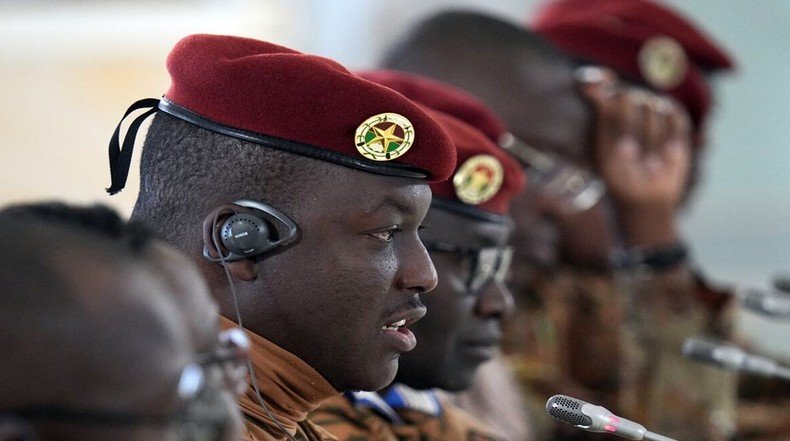
This comes as the United States escalates its health diplomacy on the continent. Washington just struck a $147 million agreement with Burkina Faso, which combines humanitarian aid with geopolitical interests in the fragile Sahel region.
Recent responses from other African nations
The U.S.’s deal with Burkina Faso, much like its deal with the DRC, is intended to strengthen primary healthcare systems, boost disease surveillance, prepare for outbreaks, and promote community-level medical access.
Burkina Faso will provide $119 million in local investments, including digital reporting systems, lab capacity, and community health projects, demonstrating a co-financing model that is increasingly popular among US authorities.
Also, Zambia halted a proposed $1 billion US pact, citing terms that it claimed conflicted with national interests. These cases show a growing trend: African states are analyzing aid agreements, evaluating the benefits of money against the risk of losing policy autonomy or being subject to conditionality.
These instances show that for some African governments, the calculus is strategic, handling foreign assistance while maintaining sovereignty, prioritizing national budgets, and maintaining credibility with citizens and international partners.


