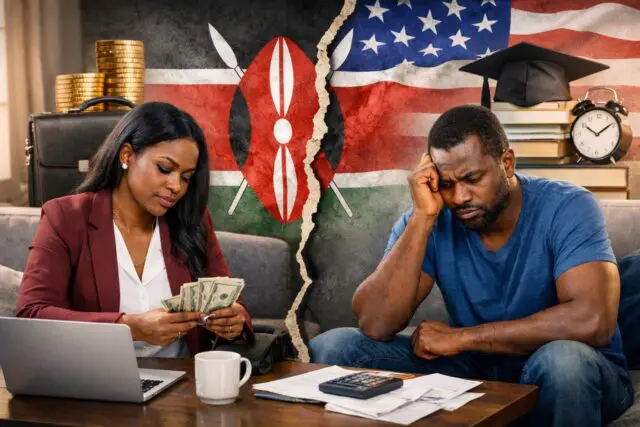
Marriage within the Kenyan diaspora often unfolds under pressures that are very different from those back home. Migration, changing gender roles, new labor markets, and exposure to different cultural expectations can all reshape family dynamics. One of the most sensitive—and increasingly common—sources of conflict is what happens when a wife begins to earn more money or attains higher education than her husband, especially when that shift occurs midstream in a marriage.
Shifting Financial Power in Diaspora Marriages
In many traditional Kenyan households, financial leadership has historically been associated with the husband. When a husband earns more, financial management is often socially accepted and rarely questioned. In the diaspora, however, economic realities can change quickly. A wife may secure better-paying employment, progress faster professionally, or retrain and enter a more lucrative field.
– Advertisement –
When this shift happens without intentional communication and emotional adjustment, it can create tension. Some couples report that the household atmosphere changes dramatically—minor disagreements escalate, resentment grows, and conflicts appear to come “from nowhere.” The issue is rarely money alone; it is often about identity, expectations, and perceived loss of role or respect.
Education Gaps and Marital Strain
Education plays a similar role. In many marriages, a large education gap where the husband is more educated than the wife does not automatically destabilize the relationship. Society has long normalized that arrangement.
However, when the wife becomes more educated—earning advanced degrees or professional credentials after marriage—the dynamic can shift. In the diaspora, this may translate into higher income, greater social confidence, and wider professional networks for the wife. If the couple has not renegotiated expectations around leadership, decision-making, and mutual respect, insecurity and misunderstanding can creep in.
Why the Diaspora Context Intensifies Conflict
Several factors make these challenges more pronounced among Kenyans abroad:
- Economic pressure: High living costs and financial stress can amplify existing insecurities.
- Cultural transition: Couples may still carry traditional expectations while living in societies that promote gender equality and dual-income households.
- Isolation from extended family: Without elders or community structures to mediate conflict, misunderstandings may deepen.
- Identity shifts: Migration often forces rapid personal growth, which partners may experience at different speeds.
Moving Toward Healthier Marriages
Not all marriages where the wife earns more or becomes more educated are doomed. Many thrive when couples intentionally adapt. Key factors that help include:
- Open and honest conversations about money and roles
- Mutual respect that is not tied solely to income or education
- Shared financial planning and transparency
- Counseling or community-based marriage support, especially within diaspora networks
Successful diaspora marriages often recognize that financial contribution does not diminish love, leadership, or partnership—it simply changes how responsibility is shared.
A Conversation the Diaspora Must Keep Having
As more Kenyan women in the diaspora advance professionally and economically, these conversations are becoming unavoidable. Addressing them openly—without blame or stigma—can help couples navigate change with understanding rather than conflict.
Marriage, after all, is not a competition of who earns more or who holds more degrees, but a partnership that must evolve as life circumstances change.


Kenya Diaspora Marriages: Conflicts When Wife Earns More
Related
– Advertisement –