– Advertisement –
A new report alleges that CMOC Group Limited (CMOC), the world’s largest cobalt producer, has poisoned local air, triggered a public health crisis, broken national laws and displaced more than 10,000 people in the Democratic Republic of Congo (DRC).
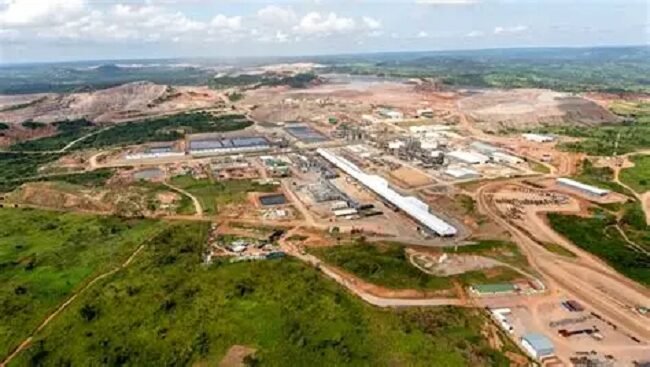
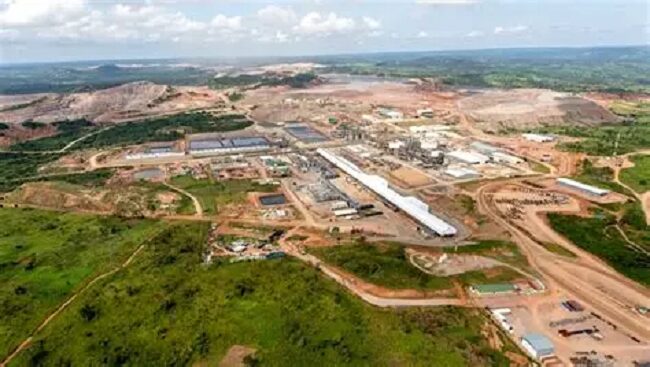
The report details how the group’s operations at the Tenke Fungurume mine, and particularly the processing of cobalt at the newly built colossal plant – the size of 500 soccer fields – have apparently driven large-scale sulfur dioxide (SO2) emissions that are at the heart of this crisis.
Since the processing facility opened in 2023, community members have suffered nosebleeds, repetitive cough, and the vomiting of blood with alarming frequency. Increases in miscarriages and birth defects have also been reported.
The breakthrough investigation from the Environmental Investigation Agency US (EIA) ties the expansion of the Tenke Fungurume mine to these symptoms through large-scale analysis of medical records, independent air quality monitoring, and interviews with workers, community members and corporate insiders.
The report, Toxic Transition, from the EIA and PremiCongo also details the mine’s supply connections to several major Western automakers that source cobalt from the mine for their production of electric vehicles (EVs).
“This report shines a light on the human cost of the world’s energy transition and electric vehicle boom as automakers continue to turn a blind eye to their supply chains,” said Christian Bwenda, coordinator of PremiCongo. “We now have strong evidence of what communities have known for years: They’re the victims of the unchecked growth of the Tenke Fungurume mine.”
Alexander von Bismarck, executive director of EIA, said: “If we want the energy transition to be more than a win-lose game, we need transparent traceability of transition minerals, in particular cobalt. Under the status quo, our consumption in Global North is once again driving horrific impacts in the Global South. If we’re going to shift the source of our energy, we also have to shift our way of thinking about what the standards should be for the minerals we need.”
Booming cobalt production
The surge in global cobalt demand is driven largely by the transition to cleaner energy technologies like EVs. About 43% of the world’s cobalt ends up in EVs, which was the principal source of demand for cobalt in 2024.
In 2024, about half the world’s mined cobalt was produced by CMOC, a Chinese group, through its mining operations in the DRC. Tenke Fungurume Mining, which is owned by CMOC, operates both the Tenke Fungurume mine and the “30k” processing plant, which opened in 2023. At the plant – one of the world’s largest cobalt processing facilities – CMOC transforms copper-cobalt ore into cobalt hydroxide, which the company then sells to the world’s largest battery and battery cell manufacturers.
Evidence of community poisoning
Since 2023, community members and local civil society organisations have raised alarms about the increase in respiratory ailments and maternal health complaints connected with the new cobalt processing facilities.
EIA obtained, verified and analysed over 1,200 anonymised public health records from a clinic located close to the 30k plant. The data show that members of the local community have presented with nosebleeds, repetitive cough and the vomiting of blood at a startling rate since the processing plant opened in 2023. The data also reveal how the health crisis has persisted, spread across the populations and likely even worsened, affecting the more vulnerable individuals first before touching a broader proportion of the residents.
EIA commissioned an independent scientific study of air pollution in Fungurume from September 2024 to January 2025. Results from this study showed levels of SO2 – a toxic gas produced during the processing of copper-cobalt ore – well in excess of international standards. EIA investigators also learned from multiple sources that significant volumes of SO2 have been frequently released, that machines continued to operate after alarms sounded; and that personnel responsible for the continued operating of machines did not evacuate for fear of reprisal.
These findings contradict CMOC’s public statement about the lack of evidence regarding the serious health crisis experienced by communities, the SO2 pollution and the alleged responsibility of the company.
In response to EIA’s findings, TFM explained that all monitoring data collected in late 2024 and early 2025 indicate the absence of pollution, with SO2 concentration remaining within the applicable regulatory limit. The company further detailed that they uphold the principle that all work must be conducted safely or not at all. A company’s policy obligates any person onsite to halt unsafe work, prohibits resumption until hazards are controlled, and strictly bars retaliation. TFM’s full response is available on EIA’s website.
Clear ties to western automakers
EIA’s supply chain analysis shows that cobalt from the TFM site can be found in electric vehicles sold by major automakers including BMW, Mercedes-Benz, Peugeot and Volkswagen.
“The energy transition is critical to addressing the climate crisis, but booming demand for cobalt cannot be met at the expense of lives and livelihoods in the DRC,” said von Bismarck. “To have some of the world’s largest car brands refuse to assume even a basic level of responsibility for their supply chain is shocking.”
None of the automakers named in this report denied indirectly sourcing cobalt from TFM for their EVs production. Mercedes-Benz explained that they had initiated a dialogue with TFM based on EIA’s findings. BMW Group clarified that “if there are any indications of possible violations in our supply chains, we investigate these indications.”
Stellantis confirmed their sourcing relationship with TFM and explained that a third-party auditing partner identified multiple reports of “serious illness linked to pollution” in the area near the 30k plant. At the time of writing, EIA has not received any comment from Volkswagen regarding EIA’s findings. Full responses are available on EIA’s website.
Calls for stronger governance
The report alleges that TFM is in violation of DRC national laws on air quality and community relocation. It also notes that in June 2024, TFM became the first mine in Africa and the first Chinese-owned mine to receive the Copper Mark – an environmental, social, and governance standard focused on labour conditions and workers’ rights.
EIA’s findings raise major questions about the credibility of the Copper Mark standard, contradicting the conclusion that TFM “fully meet(s)” 100% of the 31 applicable criteria as of July 2025. At the time of writing, TFM is also being assessed by the Initiative for Responsible Mining Assurance (IRMA) standard.
The report notes that current laws and standards fall far short of what’s needed. The authors describe how existing technologies, community monitoring, ongoing third-party auditing processes, and demand-side laws can ensure greater accountability from automakers and stronger protections for communities.
“Many claim to be driven by net zero commitments and innovation, but those achievements are meaningless if they come at the expense of the health of communities and the deliberate choice not to use existing technology to improve supply chains,” said von Bismarck of EIA.