

– Advertisement –
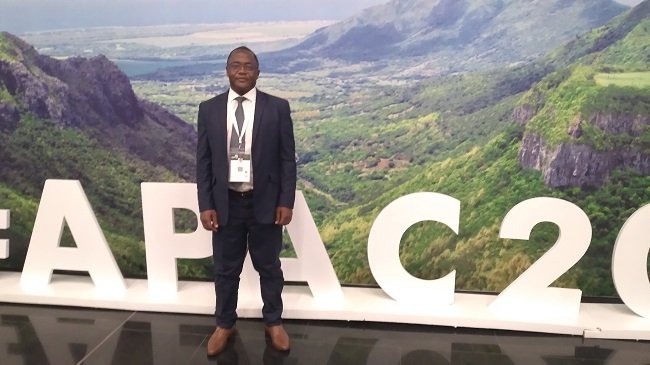
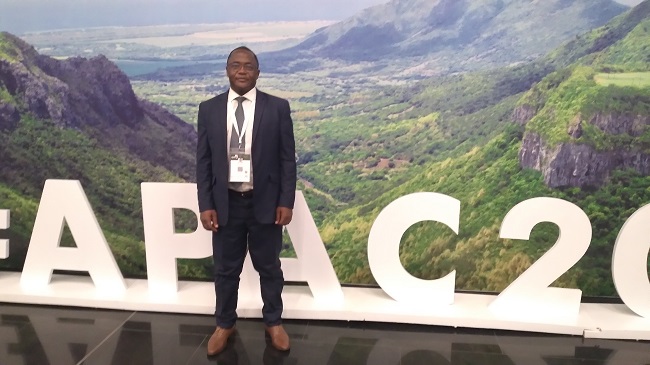
The Elephant Protection Initiative (EPI) Foundation friend of the month, Joseph Lekealem, a dedicated conservation leader who has spent decades working to protect Cameroon’s wildlife and forests. As the Director of Wildlife and Protected Areas in the Ministry of Forestry and Wildlife, Cameroon, Joseph’s work plays a key role in safeguarding the country’s rich biodiversity while promoting sustainable coexistence between people and nature. In this feature, Joseph shares insights into his career journey, his passion for conservation, and the critical work being done to protect wildlife and habitats in Cameroon
Could you tell us a bit about your current work?
I have the great pleasure of serving as the Director of Wildlife and Protected Areas in Cameroon’s Ministry of Forestry and Wildlife. In my role, I oversee wildlife and conservation activities at both the central level and across 36 protected areas in Cameroon. This includes coordinating management plans for protected areas, managing human-wildlife conflicts, overseeing the ivory stockpile, and working closely with government institutions, NGOs, civil society, and local communities. I also ensure that Cameroon fulfils its commitments under key international wildlife and conservation conventions.
Can you share a bit about your background?
I graduated from the University of Dschang in 1996 with a degree in Forestry and Wildlife (Ingénieur des Eaux et Forêts). After my studies, I joined the Government Civil Service, where I’ve served ever since, working in the Ministry of Environment and Forestry, the Prime Minister’s Office, and now in the Ministry of Forestry and Wildlife. Over the years, I’ve participated in several specialised training programmes in countries such as the United States and Botswana, covering topics like wildlife crime investigations, ivory identification and stockpile management, and One Health issues.
I’ve also served as Cameroon’s National Focal Point for several key programmes and conventions, including the Sustainable Wildlife Management (SWM) Programme and agreements under AEWA and CMS. Additionally, I’ve helped coordinate strategic documents and management plans for protected areas, anti-poaching strategies, human-wildlife conflict resolution, and the conservation of species like elephants, lions, giraffes, parrots, and hippopotamuses. Throughout my career, I’ve held positions such as Chief of Service, Sub-Director, Research Officer, and now Director.
What inspired your passion for forest and wildlife conservation?
I grew up in the Mweh community of Lebang in Cameroon’s Southwest Region, where conservation was an integral part of our culture. Our traditional systems strongly emphasised sustainable natural resource management and the protection of sacred forests and cultural sites. My passion deepened during my student internship in 1994 at the Limbe Botanic Garden as part of the Mount Cameroon Project, where I worked on fauna and flora surveys, engaged with local communities, and wrote field reports. That hands-on experience truly sparked my lifelong dedication to conservation.
What are some highlights from your career so far?
Looking back on my career, there have been so many rewarding milestones. I’ve had the privilege of leading the development of management plans for over 15 protected areas, each one a step toward safeguarding Cameroon’s incredible biodiversity. One of my proudest achievements was establishing Cameroon’s National Ivory Stockpile Management System, complete with operational procedures that set a new standard for transparency and accountability.
I’ve also been deeply involved in resolving human-wildlife conflict and driving anti-poaching efforts, while building capacity by training ecoguards, local communities, and government officials. Empowering people to take ownership of conservation has been especially fulfilling, seeing communities actively participate in managing their wildlife resources is truly inspiring.
Beyond our borders, I’ve worked to strengthen transboundary cooperation with countries like Chad, Gabon, Congo, the Central African Republic, and Nigeria, recognising that wildlife knows no boundaries. And on a global scale, I’ve helped ensure Cameroon’s effective participation in key international conventions, while also drafting strategic documents to tackle wildlife crime and protect flagship species. Each of these moments reflects my commitment not just to protecting wildlife, but to building a future where conservation and community thrive side by side.
What advice would you give to the public on helping to conserve wildlife?
I would encourage people to support conservation agencies, work closely with local communities, collaborate with government ministries, and help promote transboundary cooperation. Most importantly, we need sustainable financing mechanisms to keep these initiatives running long-term.
Human-elephant conflict is a growing challenge. What solutions do you recommend?
We need a human-wildlife coexistence strategy and action plan, better land-use planning to reduce conflicts, and less reliance solely on technical mitigation measures or compensation. Addressing the root causes through better planning and coexistence strategies is essential.
Are you optimistic about human-elephant coexistence in Cameroon?
The Government has taken this issue very seriously, establishing an inter-ministerial committee to address it holistically. I truly believe coexistence is possible with the right strategies in place.


