A Quick Guide to Domestic Travel and Immigration Enforcement: Undocumented immigrants living in the United States often face significant concerns when it comes to traveling domestically.
While there are no internal borders within the country that require individuals to show immigration status for every movement, certain types of travel—especially air travel—can increase the likelihood of contact with federal immigration authorities.
– Advertisement –
This guide offers an overview of what undocumented individuals should consider when planning domestic travel in the U.S., from types of transportation to variations in state enforcement policies.
Air Travel: High Risk Due to Federal Oversight
Airports are federal spaces, and air travel is regulated by the Transportation Security Administration (TSA). While TSA’s primary role is to ensure passenger safety, its agents do check identification at security checkpoints, which can bring an undocumented traveler into contact with federal authorities.
Acceptable IDs for TSA Screening:
TSA does accept certain state-issued IDs, such as:
– Advertisement –
- State photo identification cards
- State driver’s licenses
These forms of ID may be sufficient to board a plane, even for undocumented immigrants. However, travelers should be aware that:
- TSA agents may refer passengers to Customs and Border Protection (CBP) or Immigration and Customs Enforcement (ICE) if they suspect someone is undocumented.
- Airports near border regions (e.g., in California, Arizona, Texas, and New York) may have a higher presence of CBP officers.
Important Note: While TSA does not require proof of legal immigration status to board a domestic flight, the possibility of scrutiny and referral to immigration enforcement makes flying a riskier option.
Bus and Train Travel: Lower Risk, but Not Risk-Free
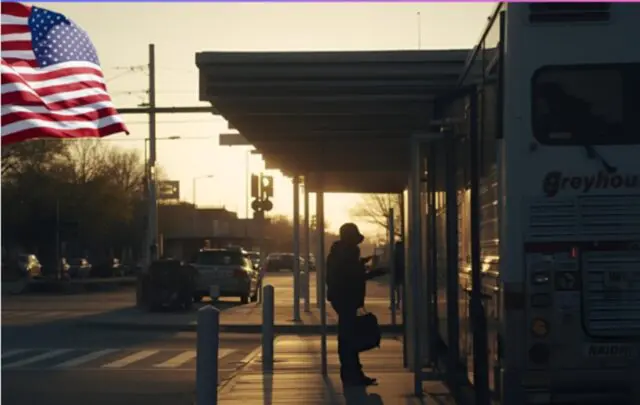
Traveling by ground—such as by bus or train—can reduce the likelihood of federal immigration scrutiny. Companies like Greyhound and Amtrak generally do not require passengers to show ID for travel within the U.S., though it’s recommended to carry one for potential ticketing or law enforcement encounters.
However, in certain areas, especially near the U.S. border, immigration agents may conduct “transportation checks” onboard buses and trains or at stations. These are more likely to occur within 100 miles of a U.S. land or coastal border, an area where CBP claims expanded authority.
Driving: Offers Flexibility, Varies by State
Driving is often the safest and most flexible method of travel for undocumented immigrants, especially in states that issue driver’s licenses to individuals regardless of immigration status. Currently, more than a dozen states and Washington, D.C. offer such licenses, including:
- California
- New York
- Illinois
- Colorado
- New Mexico
In these states, undocumented immigrants can legally drive with a valid state-issued license. However, being pulled over for a traffic violation or at a checkpoint can still pose risks, depending on local enforcement practices.
Local Travel: Subways, Buses, and Ride Shares
Most local public transportation systems, such as subways and city buses, do not require identification to ride. This makes them the safest and lowest-risk option for undocumented immigrants when traveling within a city or metro area.
Ride-sharing services like Uber and Lyft also generally do not require any form of identification, though your account will be tied to personal information, which could include your name or phone number.
Understanding State and Local Immigration Enforcement
Immigration enforcement is not consistent across all states. Some states and cities are considered “sanctuary jurisdictions”, meaning they limit cooperation between local law enforcement and federal immigration authorities. Others may actively share arrest information or detain individuals on ICE’s behalf.
Sanctuary States/Localities:
- California
- New York
- Illinois
- New Jersey
- Oregon
- Washington
These jurisdictions generally do not allow local police to inquire about immigration status or detain individuals solely on ICE’s request.
In contrast, non-sanctuary states, particularly in the South and Midwest, may have closer cooperation between local police and ICE, increasing the risk of apprehension during interactions with law enforcement.
Tips for Safer Travel as an Undocumented Immigrant
Know your rights: You are not required to answer questions about your immigration status to police or immigration agents without a warrant.
Avoid border zones when possible: These areas have higher CBP activity.
Carry reliable ID: A valid state-issued ID or driver’s license can make ticketing and ID checks smoother.
Stay informed: Know the immigration enforcement stance of the areas you are traveling through.
Avoid unnecessary encounters with law enforcement: Follow traffic laws closely and avoid high-crime areas.
Final Thoughts
While undocumented immigrants can legally move within the United States, the method of travel and the specific regions involved can significantly affect the level of risk. Air travel carries the highest potential for interaction with federal immigration authorities, while local and ground travel tends to be safer.
Understanding the enforcement landscape in different states—and being prepared with valid identification—can help undocumented individuals navigate domestic travel more safely and confidently.