

- As global food prices stay stubbornly high, Africa’s vast untapped farmland could hold the key to feeding a hungry planet.
- From Ukraine’s war to climate shocks, Africa’s food crisis deepens – but its smallholders might yet become the world’s lifeline.
- With 60% of the planet’s arable land lying idle, is Africa ready to step up and secure global food supplies?
As global food prices remain elevated amid lingering supply disruptions and seasonal demands, attention turns to Africa’s vast agricultural potential as a bulwark against worldwide food insecurity.
The Food and Agriculture Organisation (FAO) has long highlighted the continent’s capacity to alleviate shortages. Yet, structural hurdles persist, leaving Africa reliant on imports while holding 60 per cent of the planet’s uncultivated arable land.
Food Security: A Continent of Promise Amid Peril
Africa’s population is projected to double by 2050, doubling food demand in tandem. This demographic surge presents a dual-edged sword: heightened vulnerability to shortages, but also a chance for local producers to capture economic gains through expanded output.
Favourable climates and abundant land could enable African agriculture not only to secure the continent’s needs but also to export surpluses globally. Smallholder farmers, who dominate production, already supply one-third of the world’s food despite limited resources.
Modern tools, such as ICT for data collection and quality assurance, could unlock access to international markets currently barred by inconsistent standards.
Food Prices: The Russia-Ukraine War’s Lasting Shadow
The 2022 Russian invasion of Ukraine triggered historic spikes in the FAO Food Price Index, with wheat and fertiliser costs soaring. Although prices have moderated by late 2025 – averaging around 125-127 points in recent months – they exceed pre-war levels.
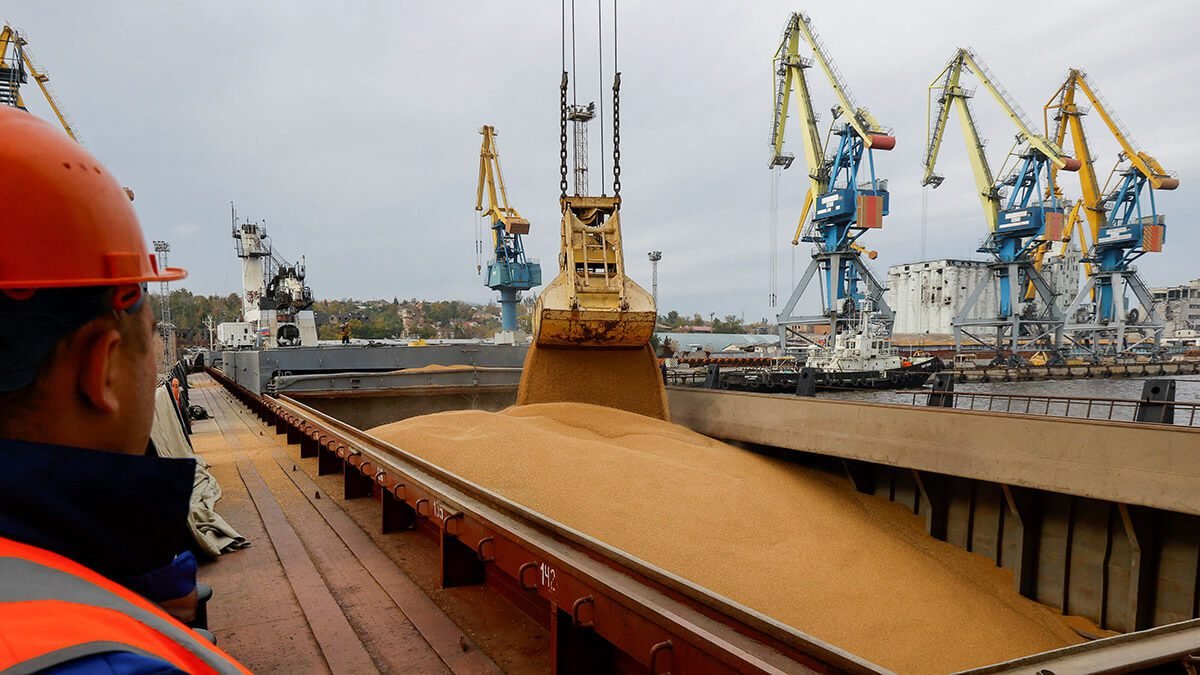
Africa felt acute pain: Russia supplied 90 per cent of its $4 billion wheat exports to the continent, while Ukraine contributed nearly half of its $3 billion in wheat and maize shipments.
Fertiliser disruptions compounded the crisis, prompting alternatives like Nigeria’s Dangote plant, Africa’s largest urea facility. Initiatives such as the African Development Bank’s $1.5 billion Emergency Food Production Facility have delivered seeds and fertiliser to millions of farmers, yielding over 37 million tonnes of additional food.
Yet deficits linger, exacerbated by climate shocks and poor infrastructure.
Barriers to Self-Sufficiency
Smallholders’ lack of technology and market information hinders progress. A telling example: in Kenya, abundant local potatoes often fail to meet processors’ rigorous standards, leading chains like KFC to import from Egypt despite domestic surpluses.
Training in quality control and value-chain integration is essential to bridge such gaps. Concerted investment in inputs, ICT, and policy reforms could transform African agriculture. Supporting smallholders with climate-resilient seeds, fertilisers, and market linkages would boost yields while aligning with Sustainable Development Goals to end hunger and foster economic growth.
As global pressures mount, Africa’s fields offer not just sustenance for its people, but a vital contribution to worldwide stability. The opportunity is ripe – if seized decisively.
Read also: Livestock farming under pressure as Africa needs to balance food security and emission cuts


