AWSISA calls for the urgent need for municipal water infrastructure maintenance and adherence to municipal water bylaws in South Africa
South Africa’s water security is being undermined not only by climate-related pressures but also by the failure of many municipalities to maintain critical infrastructure and enforce water-related bylaws. While water boards – members of the Association of Water and Sanitation Institutions of South Africa (AWSISA) – are implementing essential infrastructure maintenance programs, their efforts are frequently undermined by the poor state of municipal systems and a troubling lack of accountability.
This crisis’s core is a dual failure: Infrastructure neglect and non-compliance with municipal water bylaws. This toxic combination threatens economic productivity, public health, and environmental sustainability.
Bylaws That Are Ignored at a High Cost
South Africa’s municipal water bylaws are clear: All business and government premises must install onsite water storage tanks with a minimum capacity to sustain operations for 48 hours during planned or emergency water supply disruptions. These requirements are not optional – they are designed to ensure resilience and continuity.
However, compliance remains alarmingly low. Countless corporate buildings, hospitals, police stations, and public institutions operate without the required storage, despite full knowledge of the bylaws. Even more concerning, instead of complying with legal requirements, some entities – particularly large corporates – seek to block scheduled water maintenance by writing to the Minister of Water and Sanitation to delay or halt planned infrastructure work by water boards. This is reckless and counterproductive. Maintenance is not an administrative inconvenience – it is an essential intervention to preserve the functionality of our water system.
A Preventable Crisis Escalating in Plain Sight
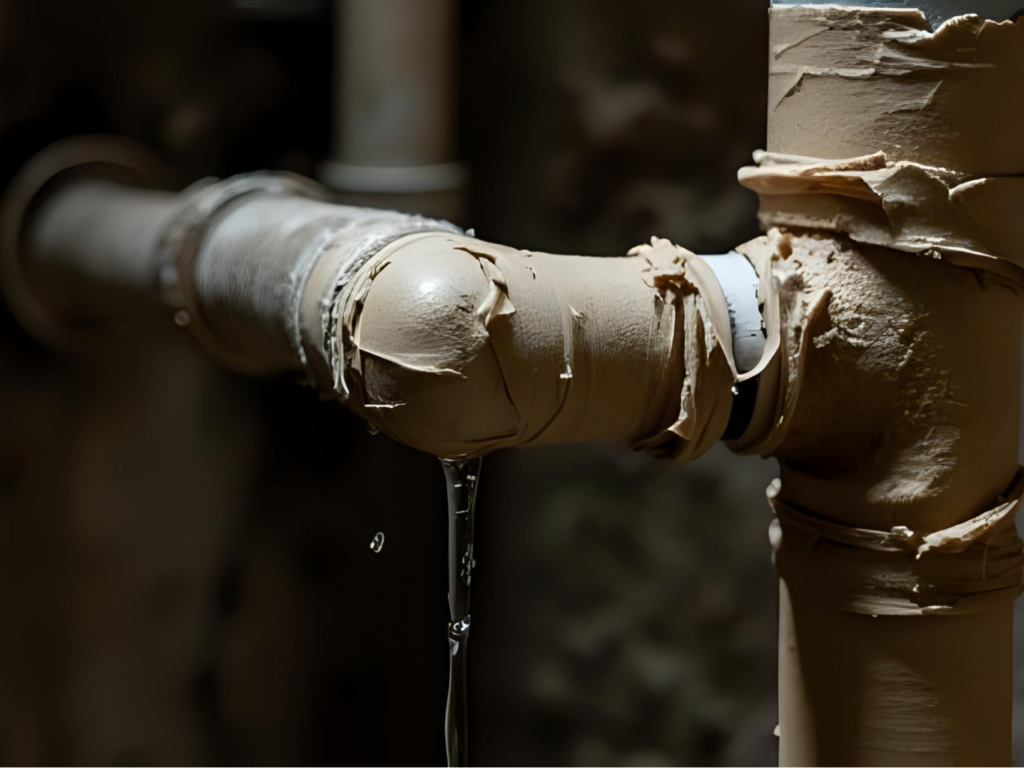
The consequences of this neglect are well known.
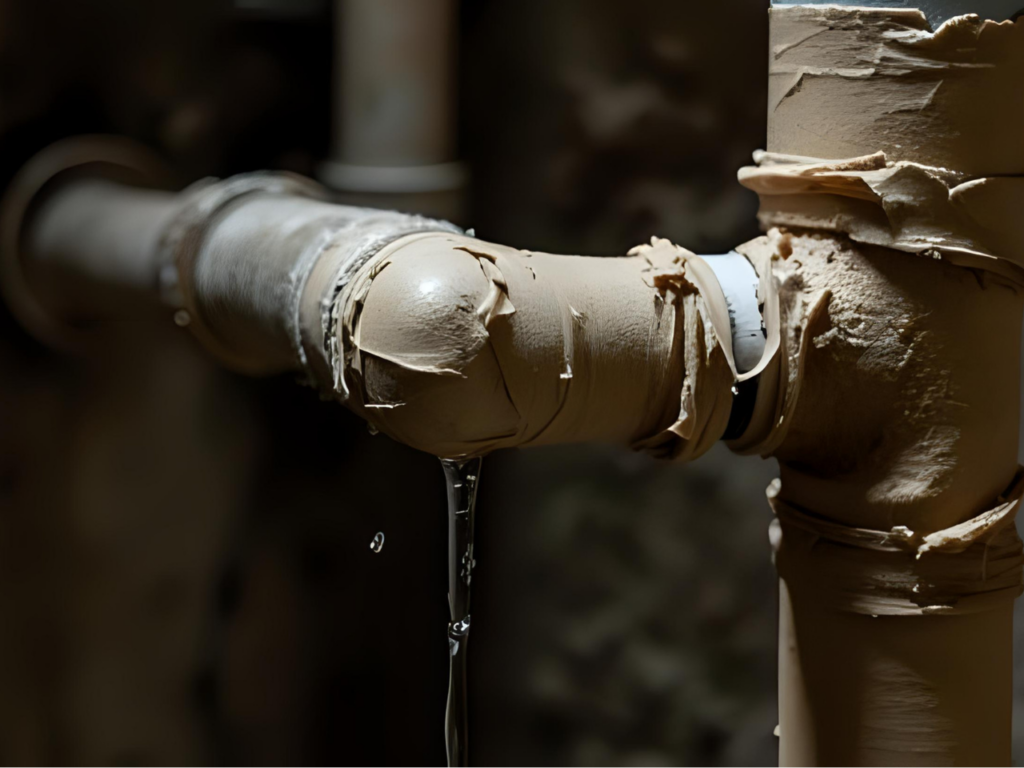
South Africa loses nearly 47% of its treated water through leaks, ageing infrastructure, and operational inefficiencies. Non-revenue water costs municipalities an estimated R7.2 billion annually, while the broader economic drag may exceed R270 billion.
Despite these losses, municipalities continue to underutilise or return infrastructure grants, even as local systems deteriorate and communities face constant water outages. The situation becomes particularly critical during high-demand seasons, such as spring and autumn, when fragile systems come under strain and often collapse under pressure.
The Economic, Health and Social Toll
Reliable water supply is foundational to economic growth, human health, and basic dignity. Inadequate infrastructure disrupts industrial output, weakens investor confidence, and erodes the viability of small businesses. Meanwhile, communities – especially in under-resourced areas – bear the brunt of poor service delivery. The consequences are not abstract. Infrastructure failures directly contribute to the spread of waterborne diseases like cholera, dysentery, and typhoid, overburdening the public health system and amplifying social inequality.

Technology Is Not Enough Without Governance
While technologies such as smart meters, leak detection systems, and predictive maintenance tools hold significant promise, they cannot succeed in a context of poor governance. Without skilled professionals, clear accountability, and political will, even the most advanced tools will fail to deliver results.
What is needed is institutional reform, leadership accountability, and a renewed commitment to uphold the law – starting with municipal bylaws and infrastructure maintenance obligations.
AWSISA’s Call to Action
AWSISA calls for a co-ordinated national response to reverse the collapse of municipal water infrastructure and to ensure the full enforcement of municipal bylaws.
The country cannot afford another preventable water crisis.
AWSISA calls for the following:
- Municipalities to adopt and adhere to structured infrastructure maintenance schedules and enforce bylaws without exception – including the 48-hour onsite storage requirement for businesses and public institutions.
- Business and government entities to comply fully with water resilience laws and desist from attempts to halt scheduled maintenance by water boards.
Government departments, corporates, and communities to pay what is owed to municipalities for water services. Widespread non-payment undermines infrastructure, weakens service capacity, and destabilises local government.
- Municipalities to appoint qualified water and sanitation professionals with the technical expertise to manage systems effectively and efficiently.
- Municipalities and water boards to form partnerships through Special Purpose Vehicles (SPVs), underpinned by the ring-fencing of water and sanitation services and revenue, to improve service delivery and institutional accountability.
- The Minister of Water and Sanitation to invoke Section 63 of the Water Services Act, where appropriate, to intervene in failed or non-performing municipalities by mandating water boards to assume water and sanitation responsibilities in the public interest.
- National Treasury and provincial authorities to tie infrastructure grants to performance and maintenance outcomes, ensuring that funding results in measurable service delivery improvements.
- Civil society, business, and communities to demand transparency, responsible governance, and enforcement of infrastructure and water management regulations.
Conclusion: Maintenance is a Mandate, Not a Burden
Water infrastructure is the backbone of South Africa’s development, economy, and well-being. It must be treated as such. Every litre lost, every pipe left to rupture, every bylaw ignored, and every delayed maintenance plan represents a collective failure of leadership and compliance.
The way forward is clear. Maintenance must be prioritized, bylaws must be enforced, skilled professionals must be employed, and institutional partnerships must be forged to secure our water future.
The time for rhetoric is over. South Africa needs action – and it needs it now