

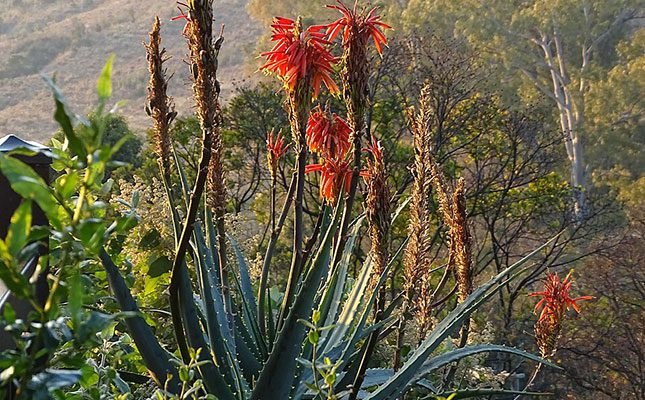
Adding indigenous crops and medicinal plants to the list of declared agricultural products could formalise and unlock the potential of industries currently valued at around R12 billion a year.


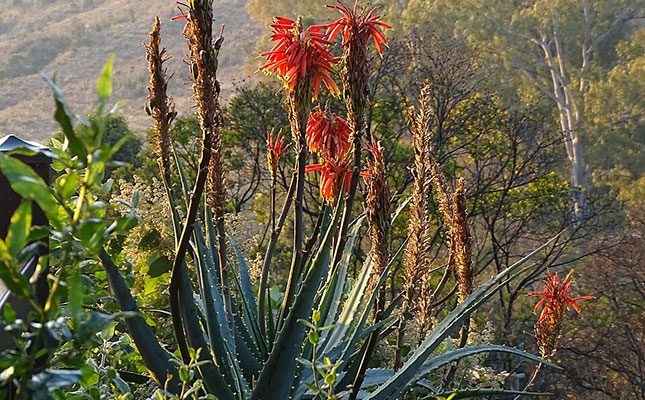
Minister of Agriculture John Steenhuisen recently approved the inclusion of indigenous and medicinal plants on the list of declared agricultural products.
He stated that people who harvest and trade traditional medicines and indigenous crops have been operating in the economic shadows for too long, and with this legislative change, government aims to grant them dignity, recognition, and a path to prosperity.
Statutory measures to support growth
Representative bodies of these newly declared products will now be able to apply for statutory measures such as levies, records and returns, and registrations, as provided for in Sections 15, 18 and 19 of the Marketing of Agricultural Products Act (No. 47 of 1996).
If approved, such measures will enable affected groups to collect funds and provide support services to grow these industries and create job opportunities.
Speaking to Farmer’s Weekly, Siphiwe Sithole, founder and CEO of organic farming business African Marmalade, said the move marked a turning point for the indigenous and medicinal plant industry.
“Formal recognition can attract much-needed investment, promote research to improve production and the storage and marketing of crops, encourage sustainable harvesting practices, improve market transparency, and help to develop new markets,” she explained.
Sithole pointed out that unregulated harvesting is placing pressure on wild plant populations, threatening the survival of certain species. “With proper frameworks, we can ensure harvesting is done responsibly and that communities benefit equitably from the value chain.”
Improving market access and standards
Beyond conservation, the move could also improve market access and competitiveness by enabling the development of standardised quality controls and certification systems.
“The recognition of [indigenous and medicinal plants] might pave the way for their entry into the formal fresh produce market. Up until now, very few of these crops have made it to market, and those that have are often treated as inferior.
“For example, morogo, sweet potato leaves, and cowpea leaves might simply be labelled as ‘African leaves’, whereas numerous distinctions are made for cabbages, lettuce, and other salad [greens],” Sithole said.
Market access should also be accompanied by good packaging and storage practices to protect product quality. “Some of these crops need to be kept in cold storage to maintain quality, and some have a short shelf life. They need to be handled correctly to ensure a consistent, good standard,” she explained.
Traceability, transparency, and production standards are also needed to ensure the products comply with food safety and environmental requirements, especially if they are sold onto the health market.
Need for formal industry organisations
Sithole said she hopes the recognition will promote knowledge sharing and stimulate more research into the production of these crops.
“Research into indigenous and medicinal crops is highly fragmented, and we often have to google production guidelines when we want to farm them. Unfortunately, very few of these resources are based on South African conditions, which leaves huge room for costly mistakes,” she added.
The indigenous and medicinal plant industries also currently lack formal associations or organisations to represent their collective interests, although a few bodies exist for specific crops.
“I’ve become the go-to person when people talk about indigenous and medicinal crops. Having formal associations or organisations would help producers to better structure themselves, share knowledge, and present industry needs to government and the market,” Sithole said.


