ADF STAFF


Angola’s long-running financial relationship with China has been built on a simple equation: Angola would repay its growing Chinese debt with oil, a strategy that became known as the Angola Model.
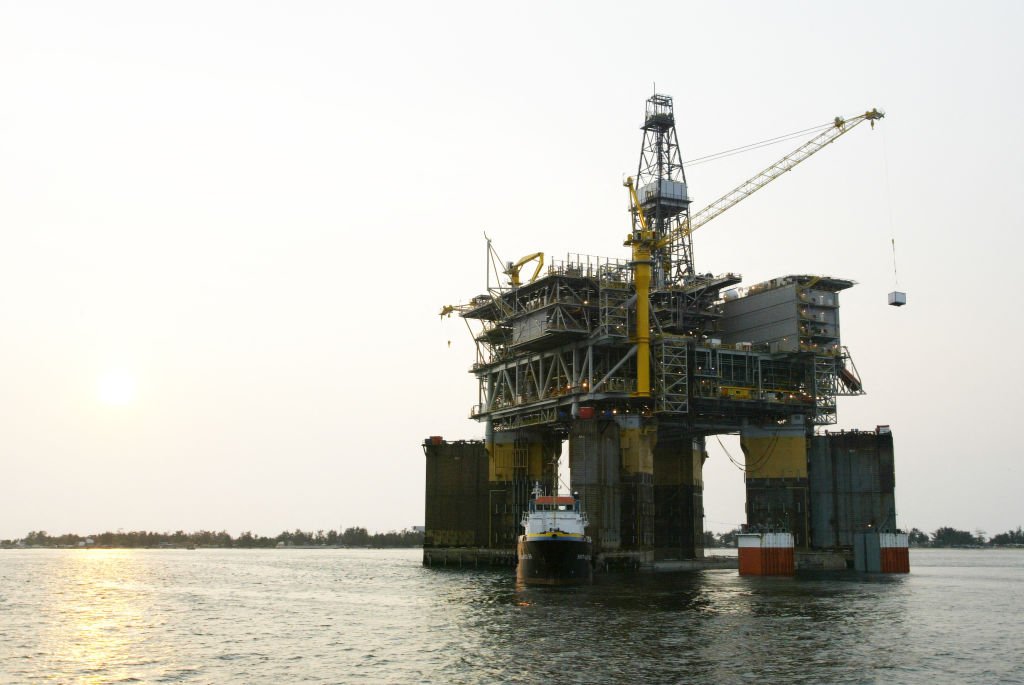
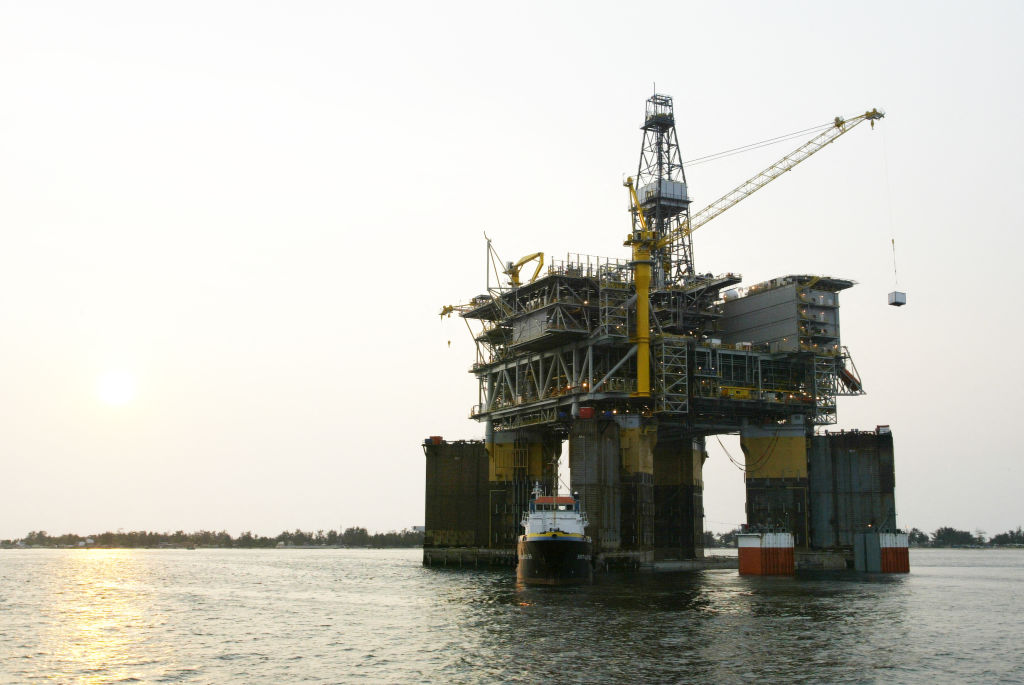
The strategy is faltering, however, as China has begun importing less oil from Angola and other African nations and more from Russia, the Persian Gulf and Asia. The shift has been driven, in part, by African countries’ lack of investment in new oilfields and infrastructure. Aging equipment and shrinking oilfields make the continent’s oil producers, including Angola, less reliable as exporters, according to researchers with the Carnegie Endowment for International Peace.
The shift also reflects the lopsided relationship between China and African countries. While China remains the largest export market for Angola and other African nations, Africa as a whole amounts to less than 5% of China’s imports, according to Carnegie Endowment researchers.
“The case of Angola is particularly striking,” the researchers wrote in a recent report on China’s shifting relations with African nations. In 2010, Angola was China’s second-largest oil exporter behind Saudi Arabia. By 2023, Angola had fallen to eighth place. Between 2019 and 2023, Angola’s exports to China fell 20%, according to the Carnegie report.
“Without stability and significant investment in secondary recovery of mature oilfields, it’s a trend that is set to continue,” Luke Patey, a researcher at the Danish Institute for International Studies, told the South China Morning Post.
During that same 2019 to 2023 period, Angola’s oil production fell 22% from 1.42 million barrels per day to 1.1 million barrels per day.
China receives nearly 72% of Angola’s oil exports, making it Angola’s largest oil importer. However, the recent drop in business is straining Angola’s ability to keep up with its Chinese debt. Since 2002, Angola has borrowed more than $45 billion from China, more than half of that going into its energy sector, according to Boston University.
Angola still owes Chinese lenders $17 billion. Chinese loans constitute about 40% of Angola’s total debt. Overall, debt payments consume about half of Angola’s national budget every year, placing it among African countries most vulnerable to a potential debt crisis, according to international credit rating agency S&P Global.
Chinese lenders gave Angola a three-year reprieve on loan payments that ended in 2023 — just as Angola’s economy took a downturn. As oil revenues have declined, Angola has been forced to cover interest payments on its debt by tapping into a Chinese-held $1.5 billion escrow fund that was mandated as part of its loans. This year’s debt payment to Chinese leaders is estimated at $10.1 billion.
Angola recently left OPEC, the cartel of oil-producing countries, after a dispute over quotas. Angolan authorities hope that step will encourage more direct investment by China and other countries in its oil sector. In the meantime, the country’s leaders are trying to diversify their economy to reduce the impact of fluctuating oil prices.
Angolan Finance Minister Vera Daves de Sousa recently told the Financial Times that Angola agreed with its largest creditor, the China Development Bank, to release cash held as collateral for its billions of dollars in loans.
Daves de Sousa said the escrow will release $150 to $200 million a month to meet those debt obligations. The plan does not include a restructuring on the debt which other African nations have requested. Such restructurings often extend the payment period, ultimately increasing the amount of the repayment as interest continues to mount.
Instead, Daves de Sousa said, the plan is designed to pay off the Chinese debt more quickly and avoid default.
“We understand that it is not restructuring, because we didn’t ask for a change of maturities and we didn’t ask for a change of payments,” Daves de Sousa said.
The post As China Buys Less Oil, Angola Struggles to Repay Debt appeared first on Africa Defense Forum.