

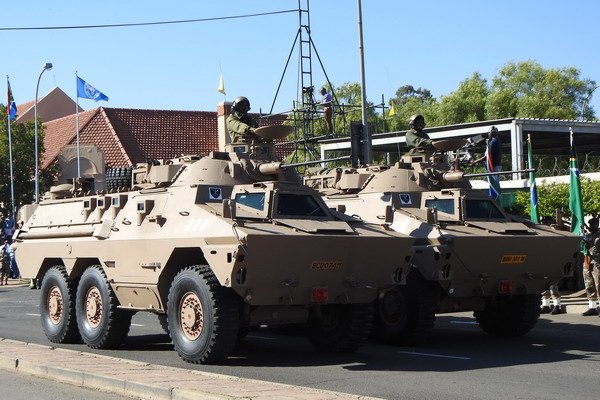

As a researcher working in the field of military heritage tourism within the South African context, I have consistently argued that defence related commemorative events represent an underutilised component of the country’s tourism economy. The upcoming Armed Forces Day commemoration on 21 February 2026 in the Vhembe District of Limpopo provides a useful contemporary example.
Reports of increased commercial activity, fully occupied accommodation establishments, and heightened demand for catering and transport services suggest that the event is already generating measurable local economic benefits. Rather than viewing the associated expenditure purely as ceremonial excess, it is more productive to consider the event within a broader framework of rural development, heritage interpretation, and niche tourism expansion.
South Africa possesses a complex military heritage shaped by successive historical periods, ranging from colonial conflicts to border operations and contemporary peacekeeping deployments. Research into visitor motivations at military museums, memorial landscapes, and commemorative events indicates that engagement with this heritage is rarely passive. Visitors seek meaning, historical understanding, and personal connection, often linked to reflection, education, and shared identity. Armed Forces Day functions as a living expression of this heritage, transforming history into an accessible public experience while simultaneously presenting the South African National Defence Force as a human institution rather than an abstract state structure.
The economic implications for Vhembe are particularly significant. As a predominantly rural district facing persistent unemployment and limited economic diversification, the temporary concentration of military personnel, officials, media, and visitors produces an immediate multiplier effect. Early reports of increased activity among restaurants, accommodation providers, transport operators, and informal vendors mirror patterns observed in comparable military related events. Short term expenditure typically flows into hospitality and service sectors, with notable participation by small, medium and micro enterprises and locally based suppliers.
Beyond immediate spending, the longer term value lies in destination exposure. Military heritage tourism relies heavily on visibility and narrative association. Visitors initially attracted by a commemorative event often encounter a destination’s broader tourism offering, including cultural landscapes and natural attractions, which can encourage repeat visitation. Infrastructure improvements associated with hosting responsibilities, even when modest, may further strengthen the foundation for sustained tourism activity in regions where tourism development has historically lagged behind urban centres.
Criticism regarding defence expenditure must be acknowledged, particularly in light of well documented operational constraints within the South African National Defence Force. Accountability and financial oversight remain essential to maintaining public confidence. However, reducing the event to a cost debate alone overlooks its wider societal function. Commemorative events contribute to civil military engagement, public historical awareness, and national reflection. Research on military festivals and memorial participation indicates that attendees frequently report outcomes linked to emotional meaning, social cohesion, and a strengthened sense of belonging, effects that extend beyond the duration of the event itself.
If approached strategically, Armed Forces Day in Vhembe could demonstrate how defence related commemorations support inclusive local development. Integrating the event with targeted tourism promotion, heritage interpretation initiatives, and community participation would align it with broader objectives of sustainable niche tourism development. In this sense, military heritage tourism represents not only preservation of memory but also a practical mechanism for economic participation in rural South Africa.
The event should therefore be understood not simply as ceremonial expenditure, but as a potential investment in heritage utilisation, regional visibility, and long-term tourism diversification. Properly managed, it offers an opportunity to connect commemoration with development in a manner that benefits both local communities and the national heritage landscape.
Prof Dewald Venter from the Vaal University of Technology is Associate Professor in Tourism Management and Military Heritage Researcher.


