


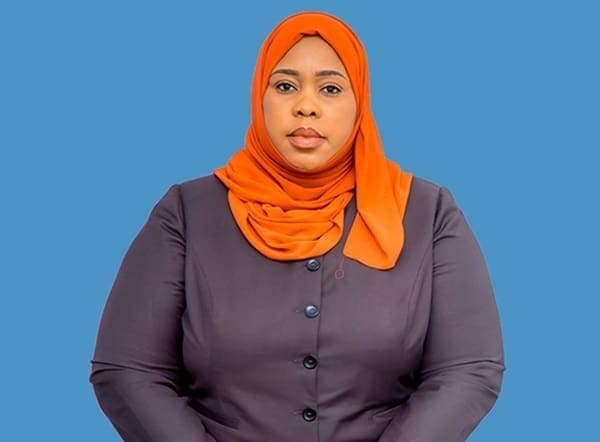
Tanzanian politics has been roiled by fierce criticism following President Samia Suluhu Hassan’s appointment of her daughter, Wanu Hafidh Ameir, as Deputy Minister of Education, and her son-in-law, Mohamed Mchengerwa, as Minister of Health. The move, part of a sweeping cabinet reshuffle, has intensified long-standing accusations of nepotism, centralization of power, and favoritism within her administration.
New Appointments Spark Outcry
On November 17, 2025, President Samia unveiled her new cabinet, naming 27 ministers and 29 deputies. In a particularly controversial decision, she appointed her daughter Wanu Hafidh Ameir as Deputy Minister for Education, Science and Technology. Simultaneously, her son-in-law Mohamed Omary Mchengerwa was named Health Minister, further fanning the flames of criticism.
Political Connections Deepen
The reshuffle didn’t stop with the president’s immediate family: Ridhiwani Jakaya Kikwete, son of former President Jakaya Kikwete, was appointed Minister in charge of Governance under Samia’s administration. Combined, these appointments have widened the circle of politically connected families in senior government roles — raising serious concerns among opponents.
Criticism and Accusations
Opposition figures, civil society groups, and analysts have charged that these appointments reflect an entrenched system of elite favoritism and undermine meritocratic principles. Critics argue that consolidating power within a close-knit family network threatens democratic accountability and reinforces dynastic politics.
– Advertisement –
Some believe these moves are at odds with President Samia’s earlier “reformist” image — one that emphasized inclusivity, merit, and reversing authoritarian tendencies. By elevating family members to key ministries, detractors say her administration may be reverting to old patterns of patronage rather than governance based on competence.
President Defends Her Mandate
Despite the backlash, President Samia has defended her decisions, stressing her democratic legitimacy. She has urged her new cabinet to uphold integrity, deliver public services effectively, and remain focused on national priorities.
Reactions and Implications
- Domestic backlash: Many Tanzanians, especially political opponents, have expressed outrage on social media and in public forums, accusing Samia of turning the government into a family enterprise.
- Governance concerns: The concentration of key ministries within one family could weaken institutional checks and encourage nepotistic decision-making.
- Long-term risk: These appointments may deepen public distrust and feed narratives of power being passed through familial networks rather than earned through public service.
- Political legacy: Samia now faces a test of whether her second term will deliver reform or entrench a dynastic-style administration.
Conclusion
President Samia Suluhu Hassan’s decision to appoint her daughter and son-in-law to high-profile cabinet roles has ignited a political storm in Tanzania. While she frames the move as part of her vision for stronger governance and service delivery, critics argue it undermines meritocracy and strengthens nepotistic structures — raising urgent questions about the future trajectory of her leadership and Tanzania’s democratic institutions.


