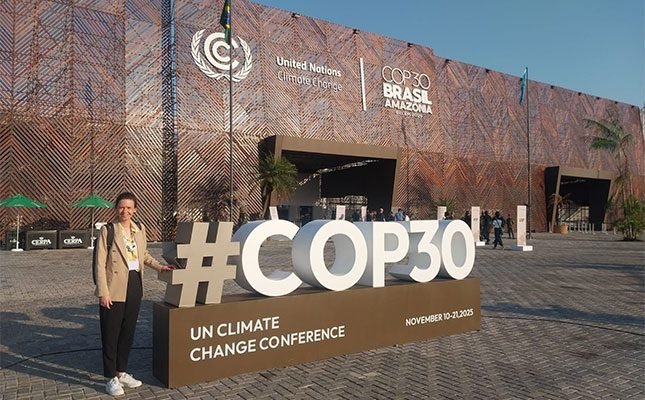
AgriSA is actively working with international partners to address how trade-linked climate regulations could impact African agriculture, stressing that policies from regions with very different development contexts should not put the continent at a disadvantage.

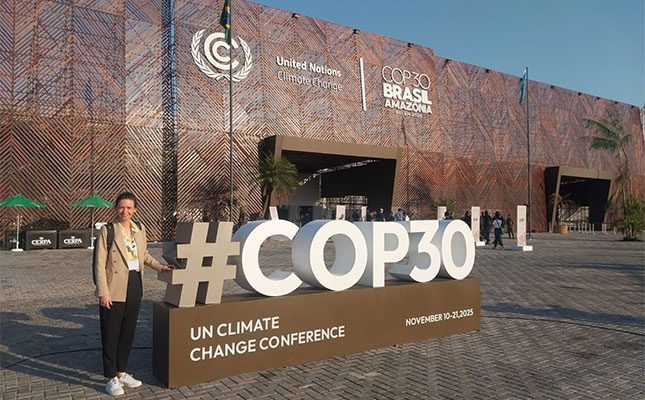
Photo: cop30_agrisa
This was according to AgriSA Chief Operating Officer Jolanda Andrag, who travelled to the 30th Conference of the Parties (COP30) to the UN Framework Convention on Climate Change in Belém, Brazil, earlier this month. There, she spearheaded the organisation’s technical and policy engagements on sustainable finance, climate-risk intelligence, trade-linked climate measures, and value-chain resilience.
The conference concludes today, 21 November.
Speaking to Farmer’s Weekly, Andrag said the main objectives at COP30 centred on ensuring that climate policy and global financing instruments work for African agriculture rather than against it.
“Our key priorities include securing greater access to climate-finance mechanisms for primary agriculture, ensuring future global climate frameworks recognise adaptation as an urgent priority for African producers, and advocating for predictable, science-based, climate-linked trade rules to protect South Africa’s market access. We also want to strengthen partnerships to bring technology, insurance, and climate-risk data into the hands of farmers.
“Concrete outcomes we seek include clearer pathways to climate finance. We engaged significantly on the matter with a range of multilateral development institutions and will pursue possible partnerships in the coming months,” she explained.
Collaboration to break barriers
Andrag acknowledged that there are several financing, regulatory, and technological barriers that limit farmers’ ability to adopt climate-resilience tools.
“Farmers face a mix of structural barriers. These include the high cost of climate-smart technologies; limited access to affordable finance, especially long-term or concessional capital; inconsistent regulatory frameworks, both domestically and across markets; and fragmented climate-risk data, making it difficult to plan or price risk effectively.
“At COP30, AgriSA worked with DFIs [development finance institutions], global insurers, and research bodies to unlock new blended-finance models, expand climate-risk intelligence, and pilot scalable adaptation technologies tailored to South African production systems.
“AgriSA is also strengthening collaboration with global agriculture organisations focused on sustainable value chains, DFIs such as the World Bank and regional DFIs, as well as private-sector climate-finance and insurance platforms expanding into Africa.
“These partnerships aim to bring new investment, innovation, and global knowledge into South Africa’s agriculture sector, ensuring long-term resilience and competitiveness,” she concluded.
Pressure from climate and regulation
Daneel Rossouw, head of sales for agriculture at Nedbank Commercial Banking, said the sector has one of the highest carbon footprints globally, which means farmers are the first to feel the impact of climate change.
“South African farmers face acute challenges, including soil degradation, climate variability, and pest pressures. Water security is another concern, with the country ranked among the 30 driest globally. Therefore, managing our water resources is critical, as it directly affects business resilience and profitability.
“Energy security is another key factor. Solar, wind, and other renewable technologies can help our farmers remain competitive in a global market with very tight margins,” he explained.
Rossouw added that South African farmers face both obstacles and opportunities when using climate-resilient production to gain a competitive edge in global markets.
“Enhanced regulations are among the biggest enablers, offering [our producers] the opportunity to be leaders in climate-resilient farming. At the same time, these regulations can pose obstacles, creating compliance burdens such as the EU Carbon Border Adjustment Mechanism [CBAM].”
CBAM is a carbon tariff on carbon-intensive products imported into the EU.
According to him, South African farmers must distinguish between good debt, which improves resilience and efficiency, and bad debt, which undermines long-term sustainability in an ever-changing environment.
“Examples of bad debt include loans taken to cover operational shortfalls, such as day-to-day expenses without a clear repayment plan, and high-interest or unstructured debt with unfavourable terms.
“Good debt, on the other hand, involves investing in productivity—financing equipment, irrigation systems, or technology that boosts yields and reduces costs. Farmers can also support sustainability through funding for renewable energy, soil health programmes, or water-saving infrastructure,” he said.