– Advertisement –
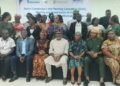
African climate negotiators have outlined a unified set of priorities for COP30, concluding a two-day pre-session meeting of the African Group of Negotiators on Climate Change (AGN) held in Belem from November 6 to 7, 2025.
Opening the meeting, AGN Chair, Dr. Richard Muyungi, said COP30 must deliver “ambitious, balanced, fair and just outcomes across adaptation, mitigation, loss and damage, and climate finance,” emphasising that negotiations must be anchored in the latest science and the principles of equity and common but differentiated responsibilities and respective capabilities (CBDR–RC).

Dr. Muyungi warned that despite contributing less than 4% of global emissions, Africa faces rapidly intensifying climate impacts and requires outcomes that reflect its “special needs, developmental context, and heightened vulnerability.”
Climate Finance at the Forefront
Climate finance remains Africa’s top priority going into COP30. Negotiators called for a clear alignment between financing flows and the ambition reflected in countries’ next round of Nationally Determined Contributions (NDCs 3.0).
Key demands include:
- Concrete steps to operationalise $1.3 trillion annually by 2030 and the $300 billion climate finance goal;
- Predictable, equitable funding through public grants and highly concessional loans;
- Transparent accounting under Article 9.5 and Biennial Transparency Reports;
- Support for implementing NDCs and National Adaptation Plans (NAPs), which already draw on domestic resources amounting to up to 5% of Africa’s GDP; and
- A replenishment plan for the Fund for Responding to Loss and Damage (FRLD).
Strengthening Adaptation Action
Adaptation remains central to Africa’s climate agenda. The AGN stressed the need to finalise and adopt means of implementation indicators under the Global Goal on Adaptation (GGA), close the widening adaptation finance gap, and ease access to funds for developing and implementing NAPs.
“The indicators must be guided by Articles 9, 10 and 11 of the Paris Agreement, without shifting burdens onto developing countries,” said Kulthoum Omari Motsumi, AGN Lead Coordinator on the GGA. She underscored that adaptation is a “global responsibility, not a national one.”
Climate and Health Gains Momentum
In a notable development, Africa placed the intersection of climate change and health among its top priorities. The continent’s negotiators argued that health remains underrepresented in UNFCCC processes despite Africa, and other developing parties experiencing severe climate-related health risks.
The meeting thus called for stronger global collaboration to integrate health into climate policy through finance, technology transfer, and capacity-building; the inclusion of health outcomes across the GGA, Global Stocktake (GST), and Joint Work on Implementation (JTWP); and a firm grounding of these efforts in equity, CBDR, gender considerations, and children’s rights.
GST, Just Transition, and Africa’s Special Needs
The group also stressed the need to refine the GST process and strengthen discussions under the UAE Dialogue on Implementation, particularly around financing.
At COP30, Africa is also seeking for an ambitious Just Transition decision that embeds equity across all pillars of climate action; and formal recognition of Africa’s Special Needs and Circumstances, given its extreme vulnerability, low progress on the SDGs, and limited capacity to act without support.