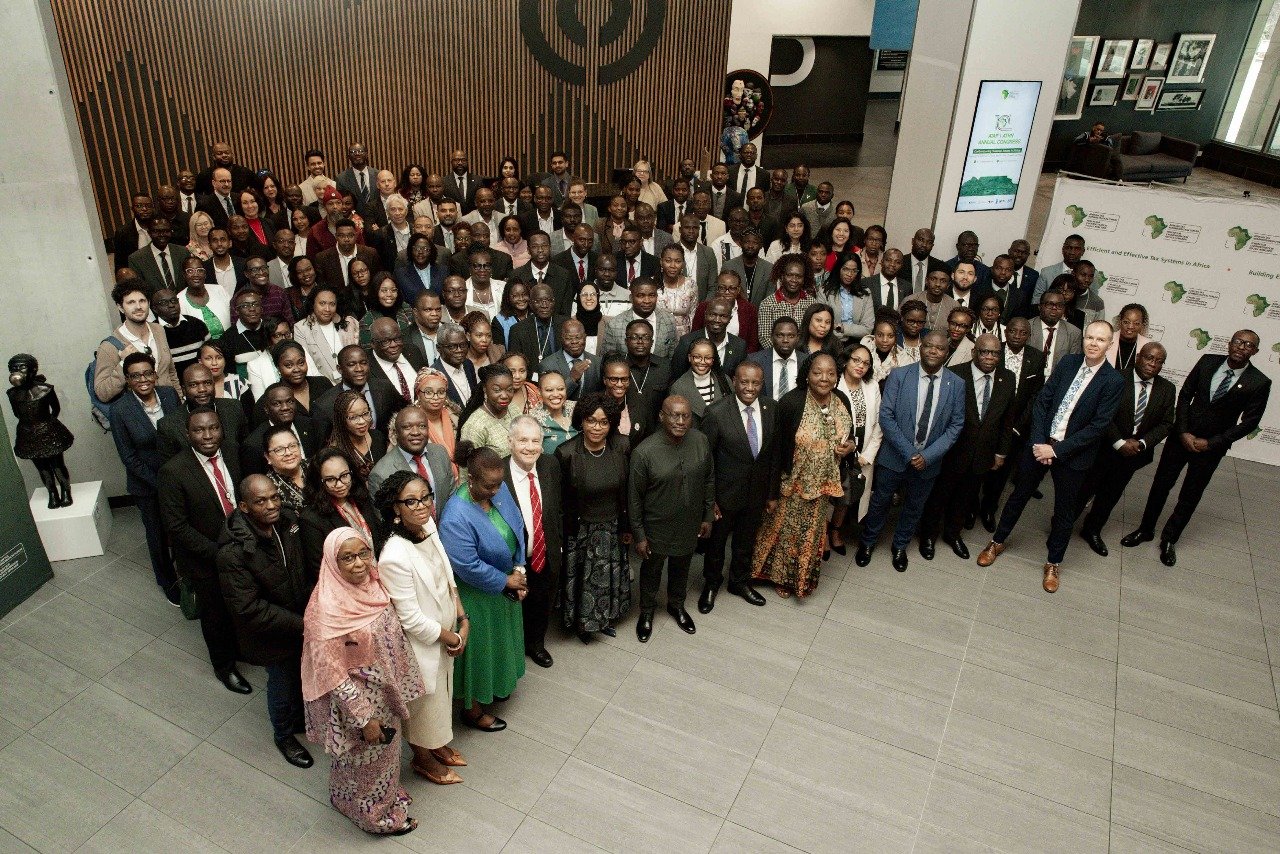

Cape Town — Day 1 of the 10th African Tax Research Network (ATRN) Congress made clear that ten years of rigorous, Africa-centred research are translating into practical policy tools and strengthened domestic resource mobilisation across the continent. Leaders, scholars and tax practitioners gathered to reflect on the ATRN’s journey and to map how evidence-based ideas can help Africa unlock its own potential.
Prof. Edward Kieswetter, Chairperson of the ATAF Council and Commissioner of SARS, captured the urgency of that mission in stark terms: “Africa needs more trade and not aid. To invest in this Africa must unlock its own potential. It must mobilise its own domestic revenue.” He went on to mark the ATRN’s evolution from “a beacon of hope” into a working engine for homegrown solutions that improve tax collection and help tackle inequality.
The Congress showcased how ATRN has become a platform where ideas move from paper to practice. ATAF’s Executive Secretary Ms Mary Baine highlighted the network’s growth and influence — including a record 153 paper submissions for this Congress and the African Multidisciplinary Tax Journal (AMTJ) achieving SCOPUS accreditation — milestones that amplify African scholarship and its policy impact.
Prof. Judge Denis Davis reinforced ATAF’s central role in the continent’s development architecture: “ATAF is central to the economic development of this continent. The research is required, it’s critical. We need to start thinking out of the box.” His remarks underscored not only the technical urgency of the issues before delegates but also the imaginative, cross-disciplinary approach ATRN champions.
Prof. Annet Oguttu – Chairperson of the ATRN Advisory Board, Professor of Tax Law & Director – African Tax Institute (ATI), University of Pretoria presented on the ATRN’s 10-year journey, highlighting the impact of the congress on people’s lives.
“From PhD scholarships to career-defining opportunities, the ATRN has changed lives! Scholars across Africa testify that presenting at ATRN and publishing in the AMTJ opened doors, shaped reforms, and built lasting networks. This is ATAF’s impact in action.” She stated.
Thereafter, delegates went into breakaway rooms to for presentations on scientific papers and to discuss the themes of those papers.
Day 1 set the tone for three days of debate on pressing policy questions: the role of tax in a climate-conscious world, digitalisation of tax administration, international tax governance, and how to mobilise revenues without compromising equity and growth.