

Kenyan farmer David Waweru left his pilot career to produce coffee on the family farm. He spoke to Farmer’s Weekly about export markets, farm challenges, and giving back to his community.
– ADVERTISEMENT –
Thirty-two-year-old Kenyan David Waweru graduated as a pilot in 2012 and worked for a regional commercial carrier for about five years. In 2019, he decided to leave flying, as the long absences and high-pressure lifestyle began to feel empty compared with the idea of building something lasting on the land.
Raised in a farming family, he had seen firsthand how coffee farming could sustain both family and community, grounding his decision to pursue it full-time.
A coffee legacy
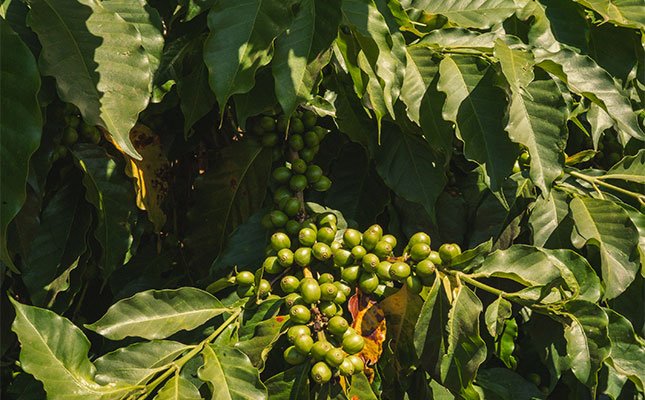
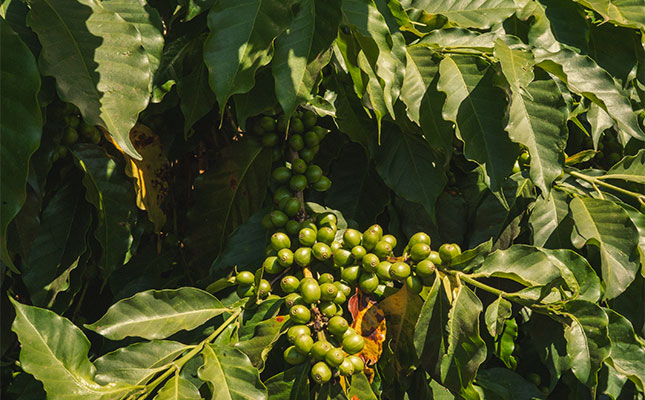
Today, he runs Ruwawa Farm, a roughly 3ha property in Kiambu County, one of Kenya’s prime coffee-growing highlands, less than an hour from the capital, Nairobi. The farm has been in his family for five generations and is deeply rooted in the country’s coffee-growing tradition, producing SL28, the renowned Kenyan Arabica variety.
The coffee is processed in two ways: fully washed, which brings out flavours of sweet cherries, litchi, and ripe mango; and natural, which highlights chocolate, plum, and apricot notes.
In addition to coffee, the farm grows macadamias and bananas and keeps sheep, goats, and chickens. While the coffee is exported, the other products are sold locally.
“We sell coffee mainly through our website to roasters and cafés in Canada, the US, the UK, and the United Arab Emirates,” says Waweru.
“We process the coffee on the farm, handling milling, drying, hulling, and packaging for export. All preparation and finishing is done on-site before shipping.
“We don’t roast it here, though. We export green beans for roasters and cafés to roast themselves, and we ship according to the customer’s preferred logistics. For bulk orders, we use sea freight, and for samples, we send them by air.”
Nurturing crops and people
“Yields have improved gradually over the years as we’ve refined our practices. However, overall yield naturally fluctuates between 1t and 4t each season, because we prune the trees back to the stump level every four years.
“Pruning rejuvenates the trees, boosts productivity, removes old or diseased wood, and helps prevent leaf rust. It’s a standard practice in Kenyan coffee farming,” explains Waweru.
He says his operation relies on standard integrated pest management: regular scouting, timely pruning, balanced nutrition, and approved inputs when needed. “Prevention and good farm hygiene have always been our first line of defence,” he adds.
Beyond the crops themselves, Waweru also places great importance on developing the people who work the land. 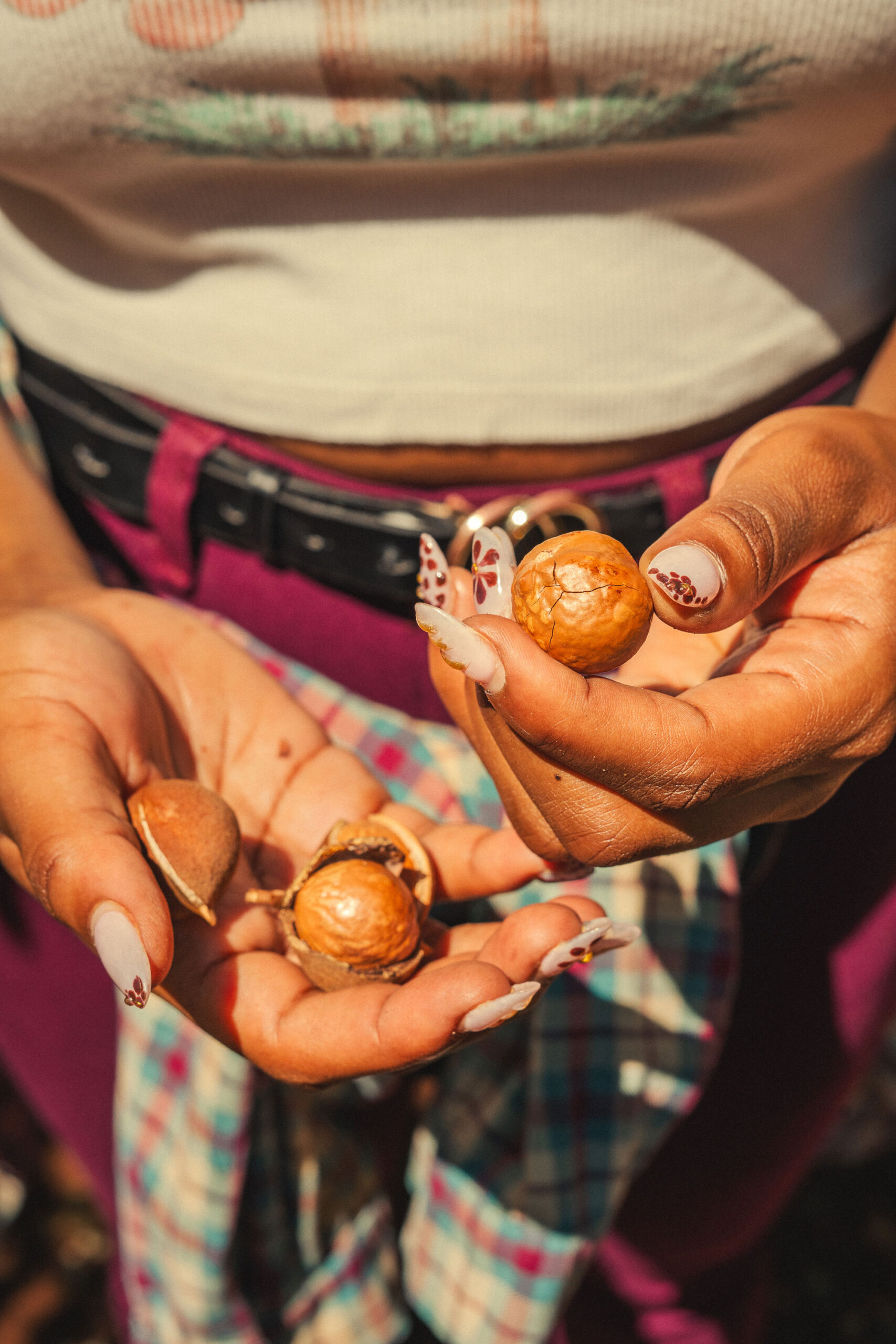
The farm provides steady employment for a small team of local youths and women. A core team of family members works full time, supported by a few permanent employees who handle year-round tasks such as maintenance, animal care, and processing.
During peak harvest seasons, the farm hires 10 to 20 seasonal workers, depending on crop volume, to assist with picking and initial processing. Exact numbers fluctuate from season to season.
Waweru also occasionally hosts field days, opening the farm to neighbours to share knowledge and give back to the community in a small but meaningful way.
He says the most rewarding part of working on the farm is seeing the coffee cherries ripen and knowing the final cup will bring real pleasure to people far away.
Asked about the best advice he has received in his farming career, Waweru says it came from his family: “They told me, quality is patient; don’t rush the plant. It’s simple, but it has stuck with me.”
Adapting to uncertainty
Waweru says the biggest hurdles for his operation have always been the unpredictable weather and fluctuating prices, factors beyond his control that he still has to manage each season.
“I keep things simple with detailed records and monthly budgets, and I always set aside a percentage for reinvestment or emergencies,” he explains.
“I track every cent and avoid spending money before the harvest income comes in.”
He adds that basic tools and technology, such as weather apps, soil test kits, and simple irrigation timers, are helpful. His most innovative step has been installing a low-pressure drip system, which allows the farm to use water more efficiently during dry spells.
“We’re focusing on improving bean quality and exploring light value addition on the farm. Our long-term goal is to grow sustainably while staying true to what works at our small scale.”
Coffee industry boom
According to Waweru, the coffee industry in Kenya is growing. He has observed an increasing number of locals beginning to appreciate good coffee, which he sees as the start of a coffee-drinking community.
He believes that within the next 10 years, the country will have more conscious consumers and a new generation of young producers, transforming coffee into a speciality industry.
“It’s time for coffee to be seen as a bridge between communities rather than just a commodity. Our core focus is on building relationships, ensuring quality and quantity, and practising sustainability,” he adds.
Waweru aims to stay focused on quality over quantity while inspiring more young Kenyans to become involved in coffee farming.
“My advice for up-and-coming young coffee producers is to prioritise building genuine relationships with your land, plants, community, and buyers. Focus on sustainability, quality, consistency, and innovation. View coffee as a bridge between communities, not just a commodity.
“Start small, and refine your practices gradually. Success comes from relentless focus on quality, sustainability, direct export relationships, and viewing coffee holistically.”
For more information visit ruwawacoffeefarm.com.


