

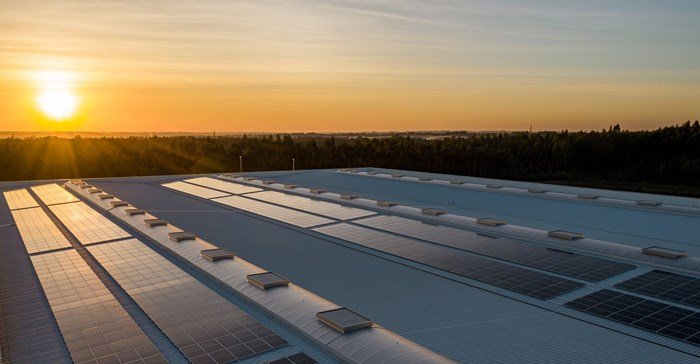
Thanks to historically high levels of load shedding over the past couple of years, South Africa’s solar PV industry has seen spectacular growth. According to at least one analyst, the country had 5 200MW of installed private solar capacity by 2023, double what was in place just a year earlier.
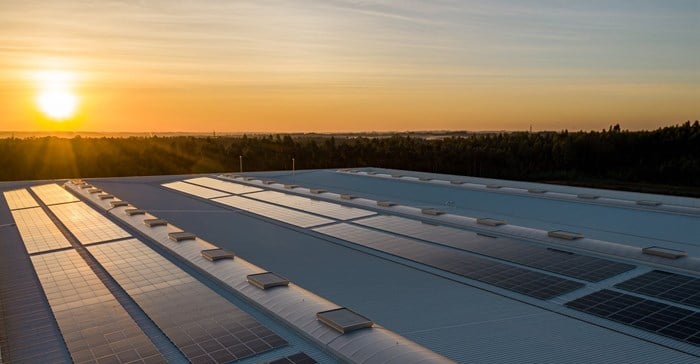
Source: Supplied.
So significant has this acceleration been that, according to some experts, it’s allowed Eskom to reduce load-shedding levels in 2024. While there is undoubtedly still opportunity in the sector, it’s also become increasingly competitive.
That’s true for the local companies that sell, install, and service solar PV installations and also for the importers of the solar components on which they rely.
South Africa’s solar industry is dependent on imports, with approximately 80% of components coming from outside of the country. Given how long it would take for South Africa to build up internal solar manufacturing capabilities, it’s likely that the R17.5bn worth of solar panels imported in 2023 will keep growing in the years to come.
Within that context, solar importers need to find competitive advantages wherever they can. Harry Scherzer, chief executive officer of Future Forex, points out that one area where solar importers could gain some advantage is through their international money transfers.
“Most solar importers are rightfully focused on bringing the best quality product at the best possible price point into the country,” he says. “It’s understandable that they might not have considered how a different approach to international money transfers can positively impact their business.
“Chances are, most importers simply use the same bank as they do for all their other business transactions,” he adds. “While that may seem logical to anyone who isn’t overly familiar with the banking sector, this approach can be costly both from a monetary and efficiency perspective.”
According to Scherzer, the financial costs stem from a general lack of transparency across South African banks. While prevalent across many of their services, it’s especially frequent when it comes to international money transfers.

“Thanks to the lack of transparency displayed by most banks around international payment and currency exchange fees, organisations can end up paying much more on a transaction than they should,” he said. “This money could be reinvested back into the business, used to buy more stock, or put into the solar importer’s salary pool.”
Another cost that comes with using banks for international money transfers is efficiency.
Modernising international payments
“It’s important to remember that South Africa’s big banks are enormous organisations, and some have very long histories,” says Scherzer. “That means that they will inevitably have outdated processes and operating methods.
“With traditional banks, everything from on-boarding as an international payment customer to executing transactions often means filling out reams of paperwork and spending hours on the phone with customer-service representatives,” he adds. “For businesses that need to move as quickly as those in the solar sector, these kinds of inefficiencies can be incredibly detrimental.”
So if not banks, then where should solar importers turn to for their international money transfer needs?
“I would advise any solar importer to work with an independent international money transfer provider that prices transparently, has a strong focus on automation, and offers exceptional customer service,” says Scherzer.
“In other words, the provider shouldn’t just make international payments easy, it should also offer expert-level customer service in the form of a dedicated account manager, who understands the intricacies of the business and who will assist with any snags that it might encounter.
“The South African solar sector is only likely to become more competitive in the coming years,” he concludes. “That means that players in the space will have to use any advantage they can. Switching international money transfer providers is one of the simplest and most effective ways to do so.”


