The closure of long steel plants in South Africa could have a notable impact on local zinc usage. The users of long steel from these plants are major zinc consumers, using it extensively in galvanizing, highlights Simon Norton, Director of the International Zinc Association (IZA) Africa.
ArcelorMittal South Africa recently announced it is placing its major Newcastle and Vereeniging long steel operations in care and maintenance due to a lack of demand. The company cited high logistical and transportation costs, energy prices, and loadshedding as the main reasons for the decision. In addition, South Africa’s steel consumption has declined 20% over the past seven years. Over 3 500 employees will be affected by the decision.
A decline in steel production due to plant closures would directly translate into reduced demand for zinc by galvanizers. However, Norton notes that since the Covid-19 lockdown in 2020, the tonnage of refined zinc imported into South Africa has slowly increased to 77 000 tons in 2023. “So, steel must be coming into South Africa via imports and not via ArcelorMittal,” he points out.
“South Africa, which aims to restore its position as an African industrial giant, grow its employment base and rebuild its decaying waterworks, wastewater works and infrastructure, must have steel mills to convert its rich iron ore into high quality finished steel products. This is followed by the use of zinc galvanizing to protect the steel against corrosion,” explains Norton.
He adds: “The blame for our current economic position and the state of the steel industry in South Africa lies fairly and squarely with the government, which has ruined many parastatals and collapsed numerous municipalities. We in industry hope that the upcoming national election will result in employment and industry friendly policy change.”
Zinc galvanizing is an indispensable process in the construction industry. “The loss of long steel plants could potentially disrupt the construction market, impacting steel usage. As South Africa grapples with infrastructure challenges and the need for sustainable solutions, zinc galvanizing remains a vital tool to protect and extend the life of critical steel structures,” highlights Norton.

Corrosion, the deterioration of steel due to its interaction with the environment, poses a significant threat to the longevity and safety of steel structures. Zinc galvanizing effectively combats corrosion by creating a protective barrier between the steel and the surrounding environment. Composed of iron-zinc alloys, this barrier acts as a sacrificial anode, preferentially corroding in place of the steel.
In the realm of rail infrastructure, zinc galvanizing safeguards steel components from the corrosive effects of moisture, salt, and other contaminants. Such protection is particularly essential in regions with harsh weather conditions or at coastal areas, where exposure to salt spray can accelerate corrosion. Railway lines are metalized as opposed to being galvanized, which involves applying a protective zinc coating in addition to galvanizing.
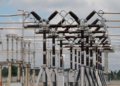
Power infrastructure, including transmission towers, substations, and other steel structures, also relies heavily on zinc galvanizing to maintain its integrity. Corrosion of these components can lead to power outages, disruptions in electricity supply, and even catastrophic failures. Zinc galvanizing safeguards these critical structures, ensuring the reliable delivery of electricity.
Beyond its protective benefits, zinc galvanizing offers significant economic advantages. By extending the lifespan of steel components, zinc galvanizing reduces the need for frequent replacements, saving on material and labour costs. Moreover, it minimises the risk of structural failures, which can lead to costly repairs and disruptions to operations.
In the rail industry, zinc-galvanized rails can last up to three times longer than untreated rails, significantly reducing maintenance costs and downtime. Similarly, zinc-galvanized power towers can endure for decades, reducing the frequency of costly replacements.
“However, underlying all zinc galvanizing lies steel. If South Africa can no longer manufacture its own steel, then our industrial, mining and civil engineering sectors will all be the poorer for it and have to battle to import steel products,” concludes Norton.