

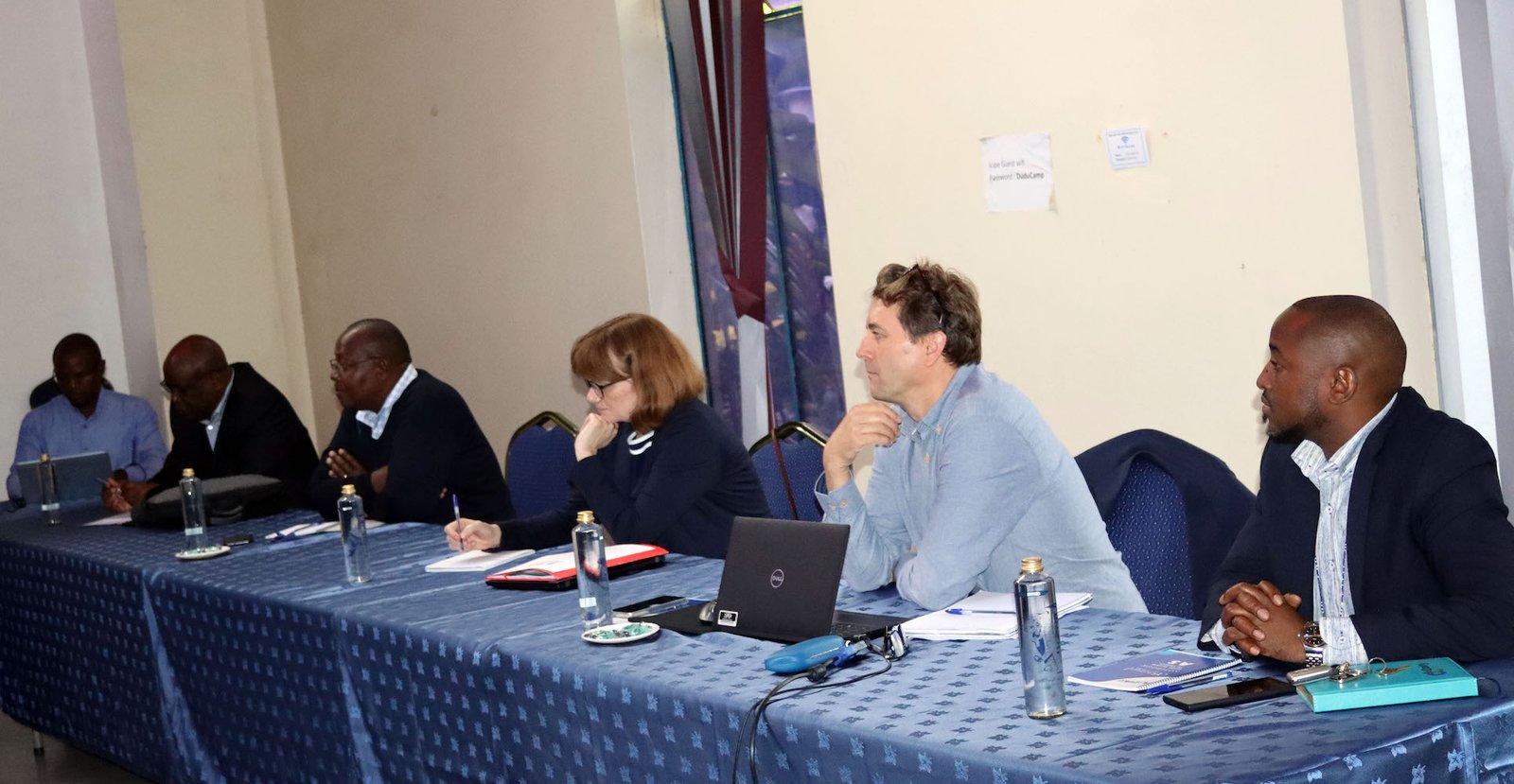
The research initiative – Valorise – will focus on finding efficient ways through which organic wastes resulting from dairy production processes can easily be converted into useful products.
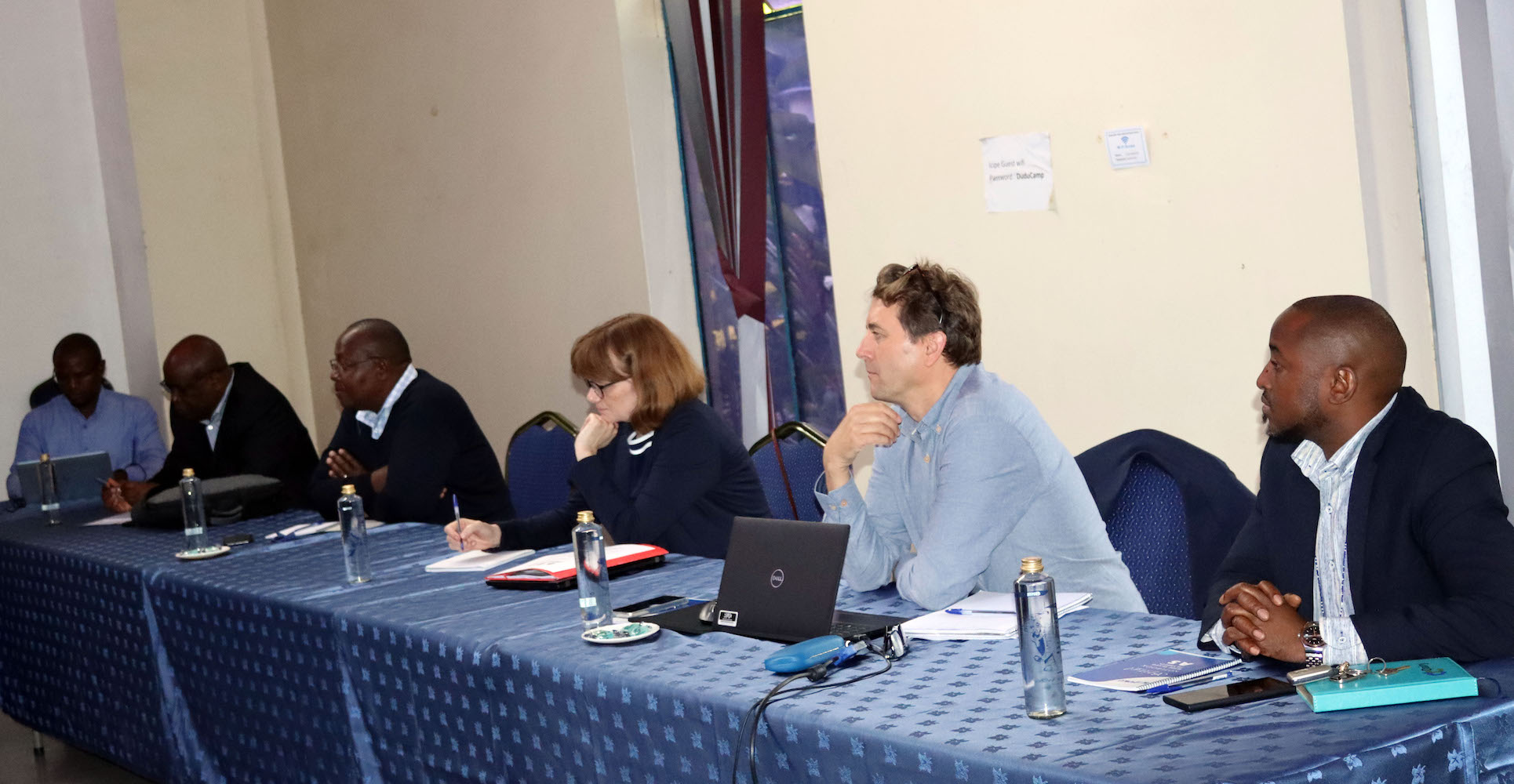
A cross-section of participants during the Valorise project workshop held in Nairobi, July 2022. The project focuses on circular bio-economy in the dairy sector.
Food production and processing systems in low and middle income countries are characterised by high levels of wastage – up to a high of 40% – which is highly unsustainable. And although much effort has gone into preventing or reducing such loses, the situation is not improving as expected.
This calls for the need to re-think current production and processing systems and develop new models of converting organic wastes into useful products – animal feed, fibres, bio- energy and industrial raw materials – in what is commonly referred to as circular bio-economy.
Preventing organic wastes and re-using the same have potential economic benefits that translate into viable business models and can improve resource-use efficiency through savings on land, water and feed resources.
In this context, organic wastes refer to residues that remain at the end of the processing of biological raw materials, which in this case is confined to the dairy sector including raw milk that is rejected by the dairies. Hence, ACTS together with other partners have come together to explore ways through which dairy processing enterprises can re-use and add value to organic wastes.
This project will study the application of circular economy principles in Kenya’s growing and modernising dairy industry; and analyse current practices in the country’s dairy industry in order to explore the potential for preventing, reusing or recycling its organic waste.
Specifically, the project will strive to provide a clear understanding of the potential of circular economy in the dairy sector, create a foundation of bio-economic knowledge on which Kenyan dairy-industry stakeholders can use to sustainably grow the sector.
In addition, the project seeks to increase the capacity to conduct research on circular bio-economy, including training a new cohort of researchers with the skills to advance a research and innovation agenda in this field.
To achieve the above objectives, the project will develop an analytical framework that integrates biophysical, technical, economic and institutional factors to understand dairy bio- economy transitions.
It will also map key actors, activities and institutions in the dairy value chain and analyse the flows, volume, quality and spatial distribution of organic wastes in the dairy industry and use the data to estimate the volumes available for circular utilisation.
Finally, the project will review relevant technical solutions and products that can match the current and future needs of a dairy circular bio-economy, analyse the incentives and opportunities that can enable dairy firms to innovate and apply bio-circular principles, explore future scenarios for a dairy bio-economy development, disseminate results to R&D, policy, industry stakeholders and scientists and build the capacity of researchers in research methodology, project management and scientific writing and dissemination.
Download


