

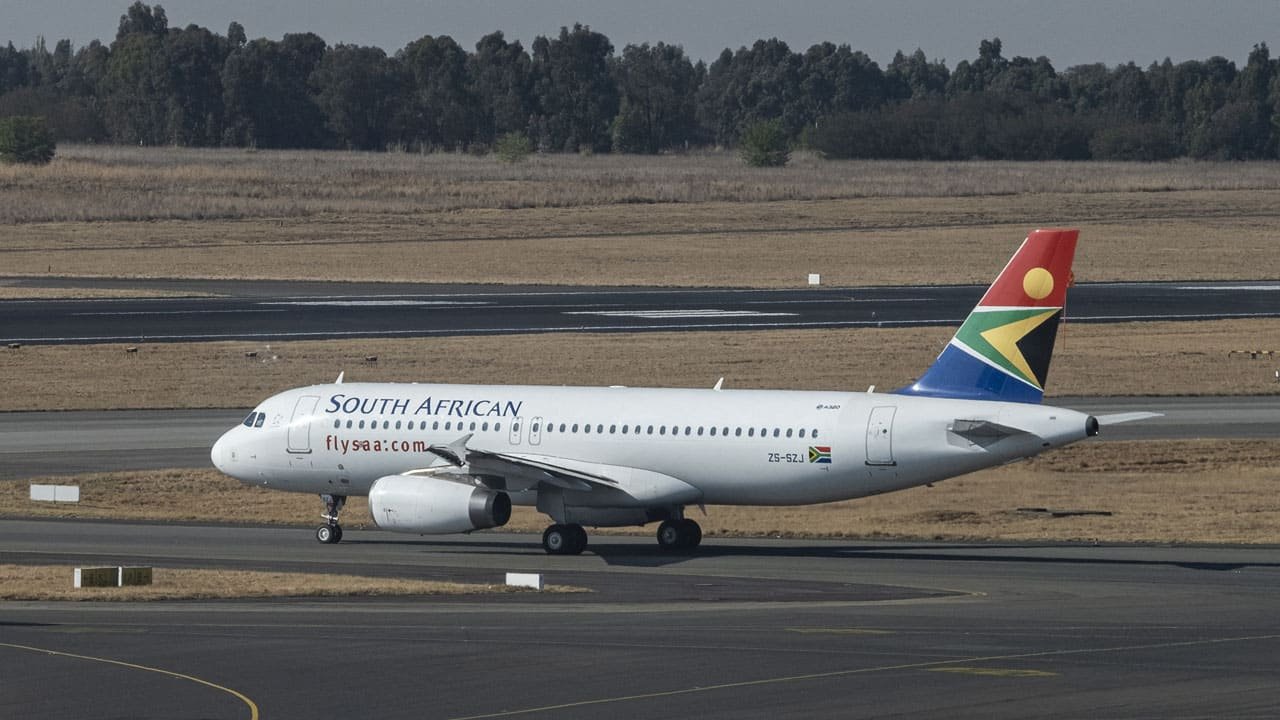
Air travellers in South Africa are facing higher fares as Middle East tensions push jet fuel prices up by 70%, with several domestic airlines introducing temporary surcharges to manage higher operating costs.
According to local media outlet in the country, the increase in jet fuel prices follows a broader rise in global oil prices, driven by tensions involving the United States, Israel and Iran.
The development has affected energy supply expectations and disrupted fuel movement across key international routes. Jet fuel is a refined product derived from crude oil.
The report noted that some airlines in South Africa have already adjusted fares, while others have added temporary charges to tickets.
On their parts, operators say these measures are aimed at offsetting rising fuel expenses and may be reviewed if oil prices decline.
One domestic carrier, FlySafair, said the increase in jet fuel prices is adding about $2,000 per flight hour to its operating costs. The airline has introduced a surcharge of up to $10 per ticket to manage the impact.
For passengers travelling between Johannesburg and Cape Town, the surcharge is about R176, while flights from Johannesburg to Durban attract a charge of around R94.
The airline said the fee represents roughly 12 per cent of the average fare and is applied as a fixed amount per route.
Airlines maintain that the surcharge is temporary and will be removed once fuel prices stabilise. However, with continued uncertainty in global oil markets, operators say it is unclear when such adjustments may occur.
Analysts raise concerns over pricing response
Some analysts have questioned the speed at which airlines have passed on increased costs to passengers. They note that jet fuel prices do not always move immediately in line with crude oil prices, particularly because airlines typically hedge fuel purchases.
Industry practice shows that airlines often secure between 80 and 85 per cent of their fuel needs over a six to 12-month period, allowing them to manage short-term volatility in global oil markets.
Based on this, analysts argue that the immediate impact on ticket pricing may not fully reflect existing hedging arrangements.
Broader impact on travel and operations
Rising fuel costs are expected to affect passenger travel, especially for discretionary trips. Analysts warn that higher fares could reduce demand, leading airlines to adjust capacity, combine flights or reduce frequency on certain routes.
The impact is also extending beyond fuel costs. The Middle East serves as a major hub for global aviation, and disruptions linked to the conflict are affecting international connections. Airlines in South Africa rely on these routes for passenger traffic and logistics, including the movement of aircraft parts.
Operators say sourcing and transporting aviation components has become more challenging, as many parts are imported and depend on global supply networks linked to major transit hubs.
With the conflict approaching three weeks, the combined effect of higher fuel costs and operational constraints is placing pressure on the aviation sector, which has been recovering from earlier disruptions in global travel.


