

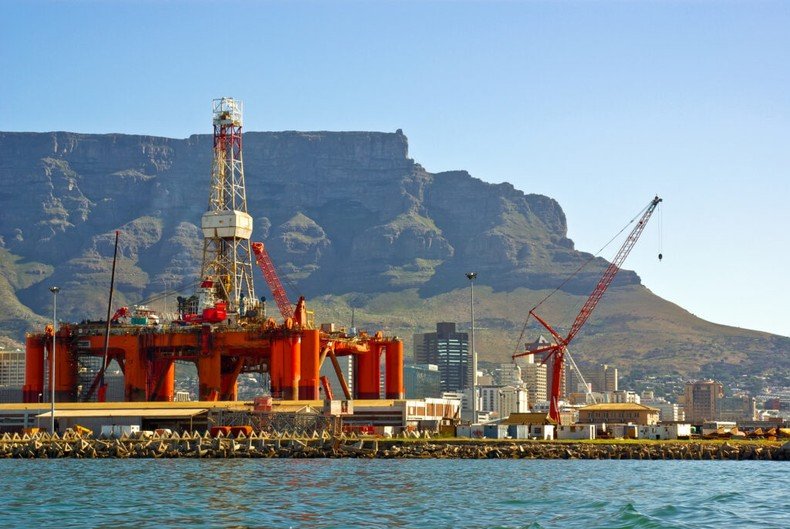
Despite this, the authorities are pressing ahead, positioning oil and gas exploration as a critical tool to strengthen the nation’s fuel supply.
Speaking at the Southern Africa Oil and Gas Conference in Cape Town earlier this month, Minister of Mineral Resources and Petroleum Gwede Mantashe reaffirmed the government’s commitment.
“The main problem today is our environmentalists dragging us into court. We have the potential to exploit oil, we have the potential to exploit gas, but for every oil and gas project, we end up in court,” Mantashe said.
Expanding offshore oil and gas reserves is therefore seen as a strategic move to improve energy security, reduce import reliance, and support economic growth.
Balancing energy needs and environmental concerns
The country relies largely on suppliers such as Nigeria, Saudi Arabia, and Angola, making it vulnerable to global price swings and supply disruptions.
Declining local refining capacity has further increased reliance on imported refined fuels, exposing the economy to inflationary pressures and a rising import bill.
Environmental groups have consistently challenged exploration projects, citing potential risks to marine ecosystems and local communities.
Critics argue that offshore drilling could disrupt fisheries, harm biodiversity, and contribute to climate change.
By establishing the South African National Petroleum Company (SANPC) and finalizing the implementing regulations for the Upstream Petroleum Resources Development Act (UPRDA), authorities are creating a dedicated framework for exploration and production designed to attract investment while maintaining regulatory oversight.
With PetroSA approving Shell as a majority partner in offshore block 2C and TotalEnergies planning to begin drilling in 2026, South Africa is signaling a decisive shift toward deepening domestic energy production.


