

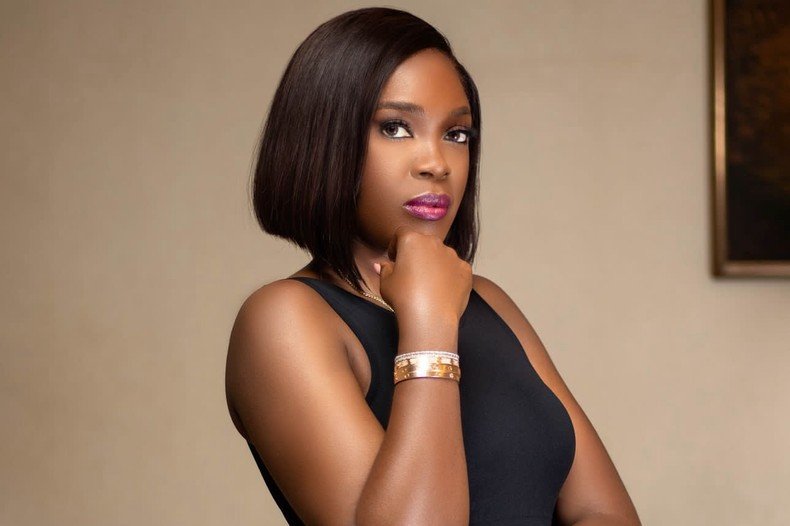
She had the most popular Nigerian YouTube video in 2025 with Love in Every Word.
The film currently has 32 million views after surpassing 28 million last year.
It also emerged as one of the most searched Nigerian films during the year, with enormous online interaction and cultural effect.
- Omoni Oboli credits her success in Nollywood to passion, discipline, and taking decisive action, starting her first film with limited resources.
- She overcame significant challenges, including learning on the job during her directorial debut and leveraging her writing skills to create opportunities after a career break.
- Winning major international awards boosted her confidence and reaffirmed her focus on audience and production quality over chasing recognition.
- Expanding into YouTube allowed her to reach a global audience, build a loyal viewing community, and benefit from creative freedom and diverse revenue streams.
From navigating the challenges of her first production to earning international recognition and building a strong presence on digital platforms like YouTube, she shares deep insights into her journey, the evolution of the industry, and what it truly takes to succeed as a woman in film.
Exclusive with Omoni Oboli
1. Looking back at your journey in Nollywood, what personal qualities or decisions do you credit most for your success as a producer, director, and actress?
Passion and discipline have been central to my journey.
Filmmaking has always been something I deeply love, and I have been willing to put in the work necessary to bring ideas to life.
Although acting is my first love, my desire to see myself in high-quality productions pushed me to expand into producing and directing. I wanted to create the kind of films I believed in.
One of the most important decisions I made was to stop talking about making films and actually start making them.
I had discussed producing movies for years until someone pointed out that an idea I was sharing with them was something I had already talked about several years earlier. That moment made me realize it was time to act.
I began my first film without the full resources in place, relying on promises from potential sponsors. Thankfully, those promises were fulfilled during production. Taking that leap of faith changed everything.
2. What has been the biggest challenge you’ve faced personally in navigating the entertainment industry, and how did you overcome it?
My first film, Being Mrs. Elliott, was probably the most challenging experience of my career. It was my debut as a producer and director, and I was also acting in the film.
We shot across three different states with a large cast and crew, and the schedule was extremely demanding. As a new director, I was learning everything in real time.
Later projects also had their challenges, but by then I had experience. With that first production, I was essentially learning on the job.
As an actor, another major challenge came when I returned to Nollywood after nearly ten years away. I had to rebuild my career and work my way back into lead roles.
One strategy that helped was leveraging my writing skills to create opportunities that might not have existed otherwise.
3. You became the first Nollywood actress to win Best Actress awards at two major international film festivals in one year. How did that recognition influence your work?
That recognition meant a lot, not only personally but for the industry as well.
Many filmmakers and actors paved the way before me, so I see it as part of a larger collective achievement for Nollywood.
Interestingly, I did not even know the film, Anchor Baby, had been entered into those festivals. Lonzo Nzekwe submitted it, so the awards came as a surprise.
What it did for me was boost my confidence and demystify the idea of international recognition.
It reminded me that if you remain focused on excellence and serve your audience well, recognition will follow in some form.
Because of that experience, my focus has always remained on the audience and the quality of the work rather than on chasing awards.
4. What inspired you to begin producing films for YouTube alongside traditional cinema releases?
It was not a move away from cinema but a strategic expansion.
I still love cinema and continue to release films in theaters. For example, my film Wives on Strike: The Uprising premiered in cinemas in October 2024.
YouTube simply offered another opportunity to reach audiences. Before entering that space, I spent time studying how the platform works and understanding its ecosystem.
What I discovered was an entire production economy running parallel to cinema. It allows filmmakers to create consistently and reach global audiences directly.
For Nollywood, the YouTube space has been incredibly valuable because it has created more employment and sustained production activity across the industry in this season.
5. With nearly two million subscribers on YouTube, how has direct interaction with viewers changed your filmmaking approach?
Direct audience engagement is actually the foundation of my YouTube strategy.
I wanted to build an organic community of viewers who genuinely enjoy my films. That direct interaction gives real-time feedback, and because of this, I have grown to understand my audience better. I call them my “besties” because they form a loyal audience base that actively supports my work and pushes me to be better.
When audiences grow organically like that, they naturally promote the films with you because they trust the quality of the content.
In terms of return on investment, the financial viability of YouTube versus cinema depends on factors such as viewership scale, demographics, and RPM. However, what makes YouTube particularly attractive is the creative freedom it offers.
You can produce the stories you believe in, and the audience determines the outcome through their engagement.
6. Platforms like Netflix and Showmax dominate African streaming. How does YouTube compare as a revenue model?
Each platform serves a different purpose within the industry. Platforms like Netflix and Showmax offer prestigious exposure, but access to those platforms can be limited.
YouTube, on the other hand, is accessible to everyone and allows filmmakers to distribute their work directly to global audiences.
Revenue varies widely depending on viewership and channel performance. However, the advantage of YouTube is consistency. Regular releases can generate steady revenue over time.
Another major benefit is reach. YouTube allows your content to reach a global audience without the barriers that often exist with traditional streaming platforms.
7. Did you expect Love in Every Word to become the most-streamed Nigerian movie of 2025?
As filmmakers, the only things we truly control are the quality of the production and the dedication of the cast and crew. How audiences respond is something you can never fully predict.
In fact, the production itself had its own challenges, and we did not expect it to become such a major hit.
But I have always believed that when excellence and consistency meet opportunity, breakthroughs happen. That was exactly what occurred with Love in Every Word.
8. How does monetizing films on YouTube compare financially with releasing films in Nigerian cinemas?
YouTube monetization often includes multiple revenue streams. In addition to advertising revenue, brand partnerships can play a significant role.
With Love in Every Word 2, we received strong support from Nigerian businesses through brand collaborations, which created a mutually beneficial relationship between the film and the sponsors.
That kind of partnership is an area with enormous potential, especially considering the scale of viewership that Nigerian films attract online.
9. How did budgeting for a YouTube first release differ from budgeting for a traditional theatrical film?
Generally speaking, YouTube productions operate with smaller budgets and leaner production structures compared to theatrical releases.
However, I do not compromise on production standards based on the platform. Even with a smaller budget, I maintain high production values in areas like cinematography, sound design, and performance.
Cinema productions typically require larger investments in marketing, distribution, and theatrical scheduling, which makes them a different kind of financial undertaking.
Success in either model requires balancing the creative aspects of filmmaking with a strong understanding of the business side of the industry.
10. In light of International Women’s Day, what advice would you give to women in the Nigerian film industry aspiring to similar success?
The audience ultimately cares about the quality of the film, not the gender of the filmmaker.
Whether someone is buying a cinema ticket or watching on YouTube, they are looking for a compelling story, strong performances, and high production quality.
Because of that, my advice to women is to approach filmmaking as professionals who are committed to excellence.
Focus on developing your craft, understanding your audience, and delivering strong work.
The industry is competitive, but those who consistently pursue excellence will always find opportunities to grow and succeed.
Make every moment count. Do not make excuses. Make movies.


