

(Bloomberg) — Tim Latimer is the rare clean-energy executive having a good time in Donald Trump’s America.
His geothermal company, Fervo Energy, is operating in the only renewables sector that has escaped the administration’s disdain, just as hyperscalers hunt for electricity to power their data centers. Conditions are so favorable that Fervo is targeting an initial public offering this year, according to a person familiar with the matter.
It’s riding a wave of enthusiasm for businesses that provide uninterrupted and emissions-free power, which wind and solar can’t do alone. Nuclear stocks have soared over the past year, as have shares of Ormat Technologies Inc., an older geothermal operator. But Fervo’s IPO hinges on whether that surge in interest can extend to a relatively unproven company in an industry that’s still a niche part of the world’s energy mix.
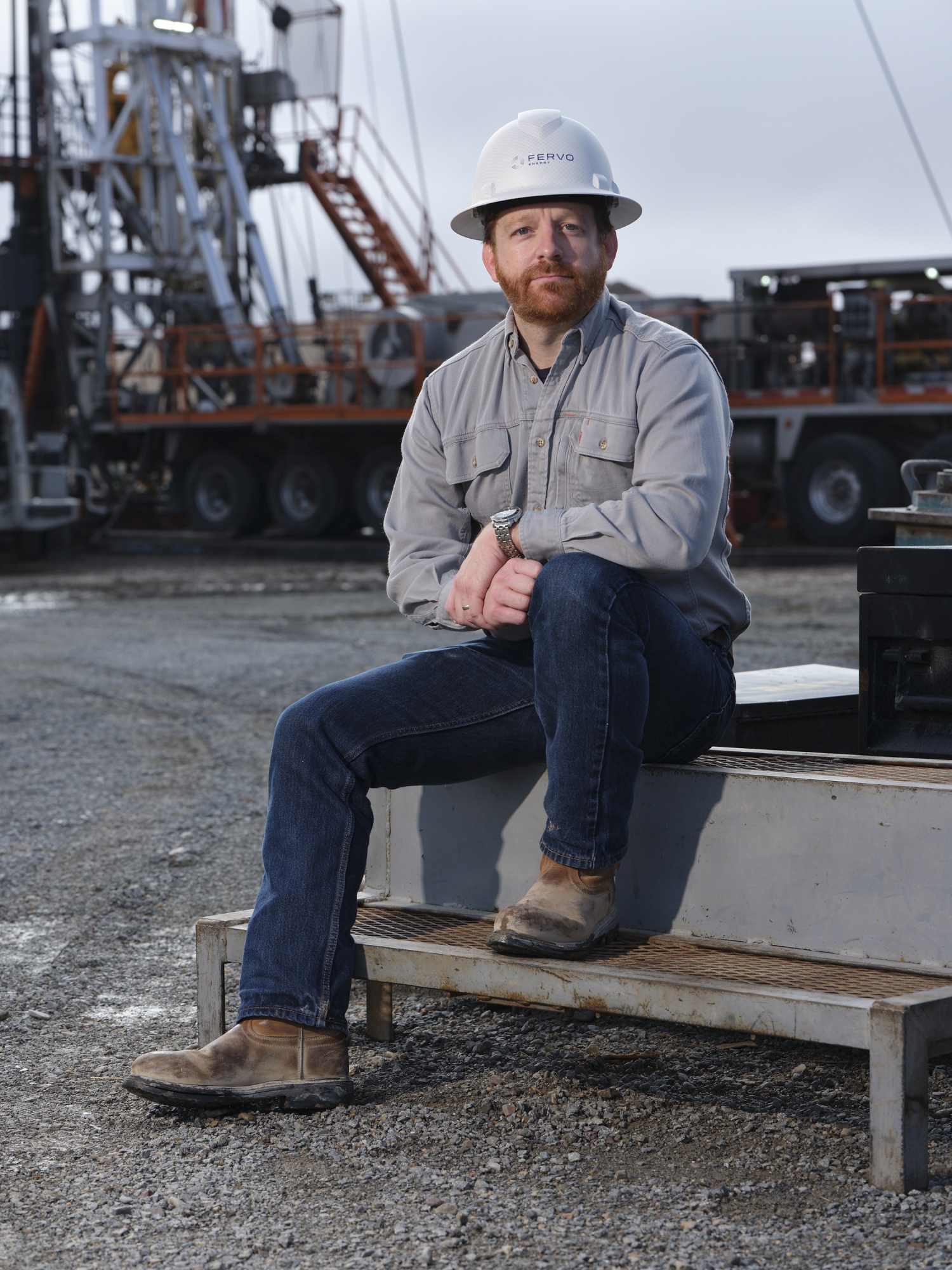
“We’ve been incredibly lucky,” Latimer said. “It’s one thing to get lucky on timing, but it’s another to make sure you don’t ruin the opportunity.”
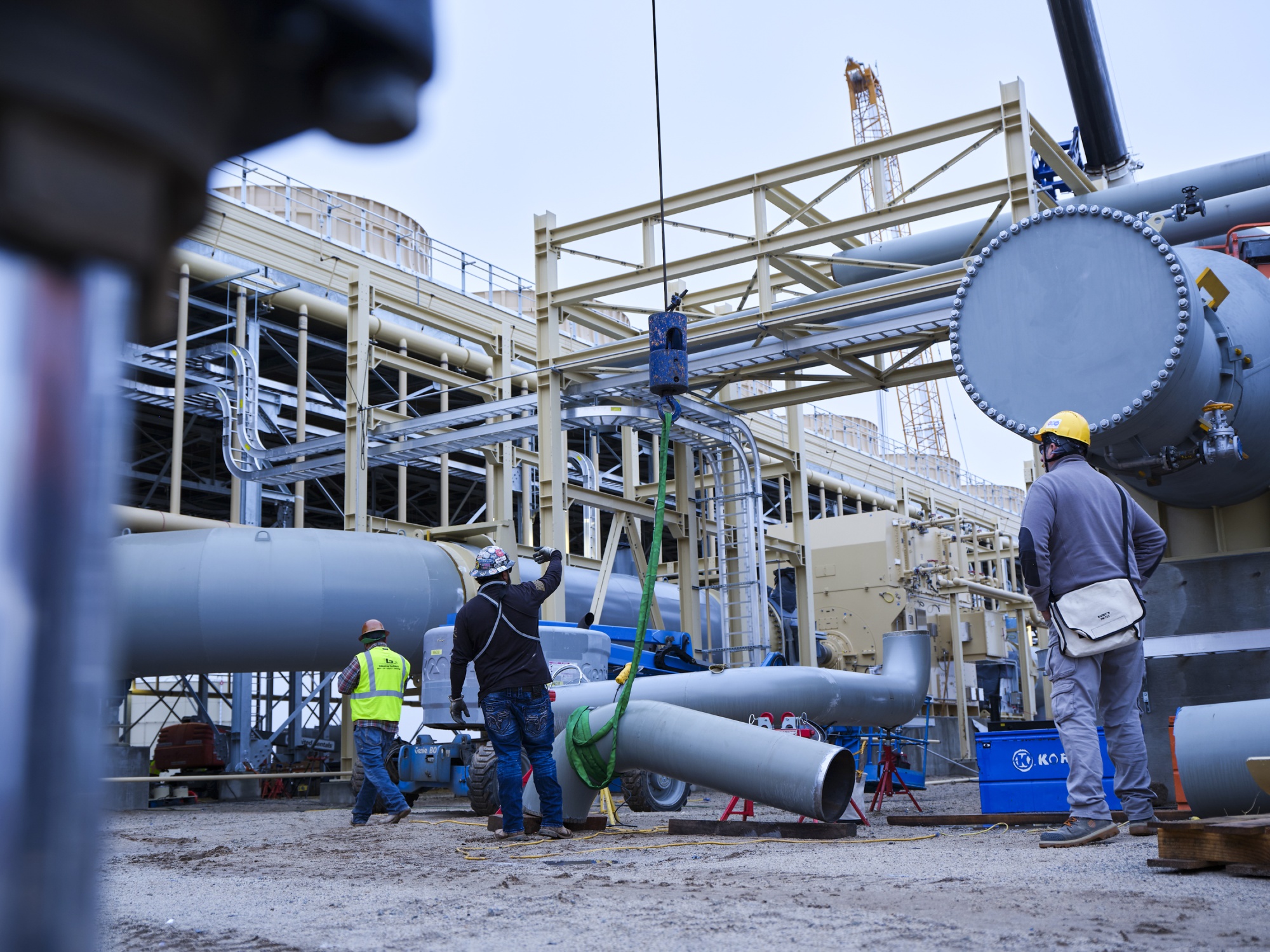
To maintain its momentum, Fervo has to show that its technology — which mimics some fossil fuel fracking techniques to tap the Earth’s heat for energy — can work at scale in harsh real-world conditions. The company’s pilot in Nevada helps power a data center operated by Alphabet Inc.’s Google. But its first big trial will be at a project underway in Utah, where customers are already lined up to purchase all the electricity it can produce.
Geothermal energy has its share of skeptics who doubt it can compete with cheap natural gas, or wind and solar power paired with batteries. Still, Fervo has the backing of some powerful investors, including a company formerly run by Energy Secretary Chris Wright and a venture fund backed by billionaire Bill Gates.
“Reliable domestic energy that fits the national security needs is obviously a priority, and that has benefited geothermal,” said Christina Karapataki, a partner at Gates’ Breakthrough Energy Ventures, which gave Fervo one of its first checks.
Geothermal technology has been around for more than a century, but the industry made up only 0.3% of global electricity generation in 2024.
High startup costs are one limiting factor. But the bigger problem is finding a spot to drill that has heat, fluid and permeability. That combination is largely limited to locations such as Iceland and Japan with active volcanic or continental rift zones. Even then, a developer could spend millions of dollars drilling a well only to discover no steam beneath the surface.
“The risk profile is too high, and the return is too moderate,” said Alexander Helling, chief executive officer of geothermal investor Baseload Capital, which hasn’t put money into Fervo.
Fervo says it has found a way to fix that uncertainty. In 2017, Latimer and his co-founder Jack Norbeck proposed borrowing a strategy that turned the US into the world’s biggest oil producer: using horizontal drilling popularized by the fracking industry.
Rather than coaxing oil from the ground, however, the duo wanted to drill two wells and connect them underground using a process similar to hydraulic fracturing. They would pump cold water at high pressure down one well to absorb heat, which would then rush up the other well as hot water to run through turbines and make electricity. It was called an “enhanced geothermal system.”
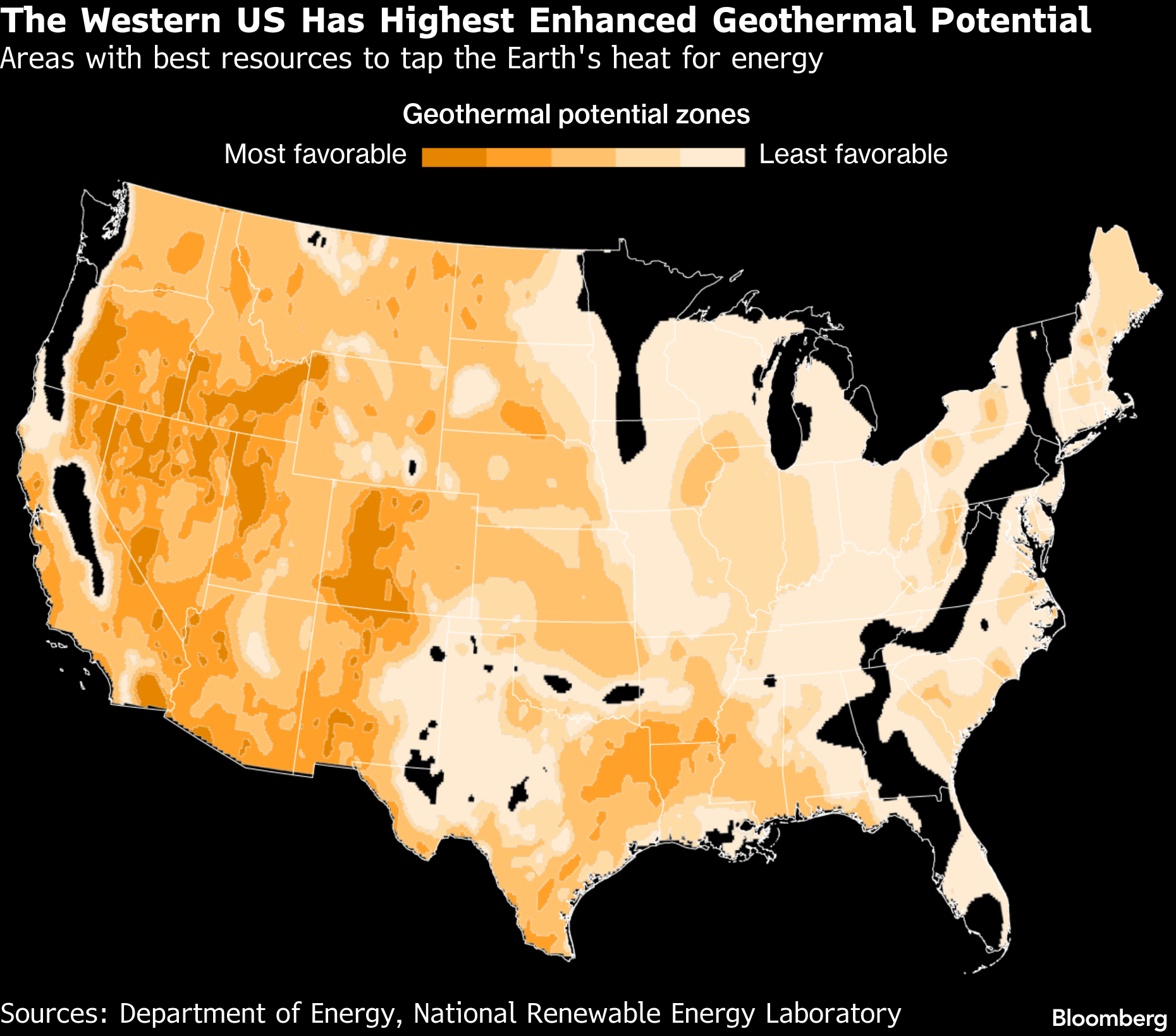
“Suddenly, I don’t need to find water, just heat,” said Helling. And heat is available everywhere in the world if you drill deep enough.
The Energy Department projects that enhanced geothermal in the US alone could provide up to 120 gigawatts of energy capacity — enough to power roughly 100 million homes. When Trump declared a national energy emergency on his first day back in office, he highlighted the role geothermal could play to remedy the situation, alongside fossil fuels and nuclear. His administration has kept incentives for geothermal intact even as it has scrapped them for wind and solar.
But Karapataki wasn’t immediately sold. She had previously worked at Schlumberger, the oil services company now known as SLB, and didn’t initially think enhanced geothermal would work. There were too many differences between the two industries, and no one had successfully applied the gas playbook to geothermal before.
Latimer and Norbeck leaned on their oil and gas backgrounds to win over the Breakthrough partners. Born in Houston, Latimer started his career as a drilling engineer as the shale boom was taking off. Norbeck, who became Fervo’s chief technology officer, had spent time on shale oil and gas research.
To this day, Latimer styles himself as a leader obsessed with the technical details. He perks up when going into the weeds about why the company uses a closed-loop system to generate power rather than relying on steam to spin a turbine, for example, or specific engineering modifications the company has experimented with to reduce pipeline costs. This extends to his online presence, where he replies on X daily to critics of geothermal with drilling data and studies at the ready.
March 2, 2021
Today, Latimer is heavily focused on Fervo’s upcoming plant taking shape outside Milford, Utah.
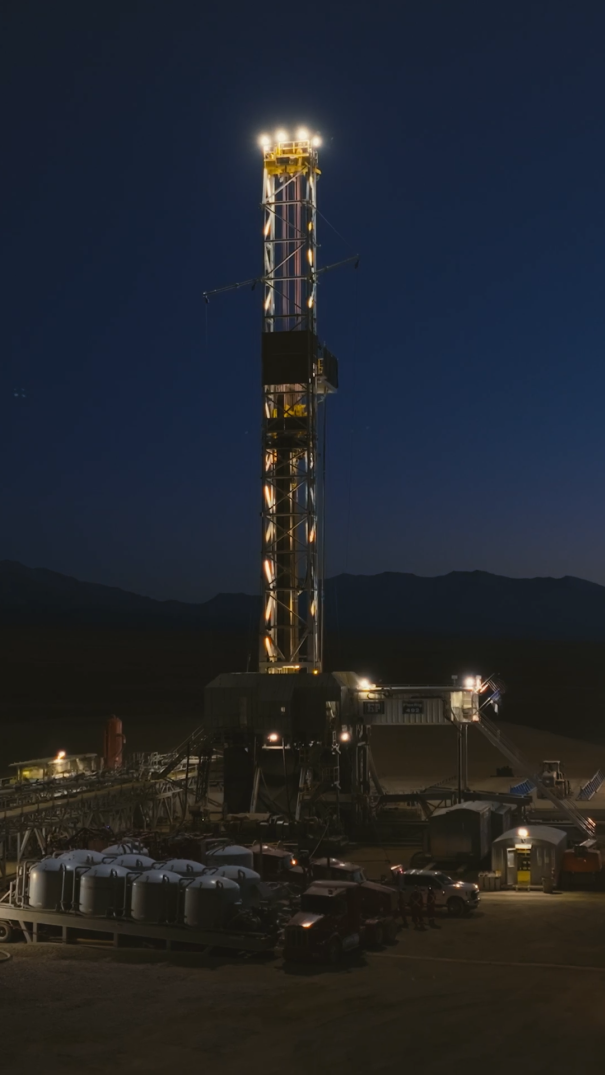
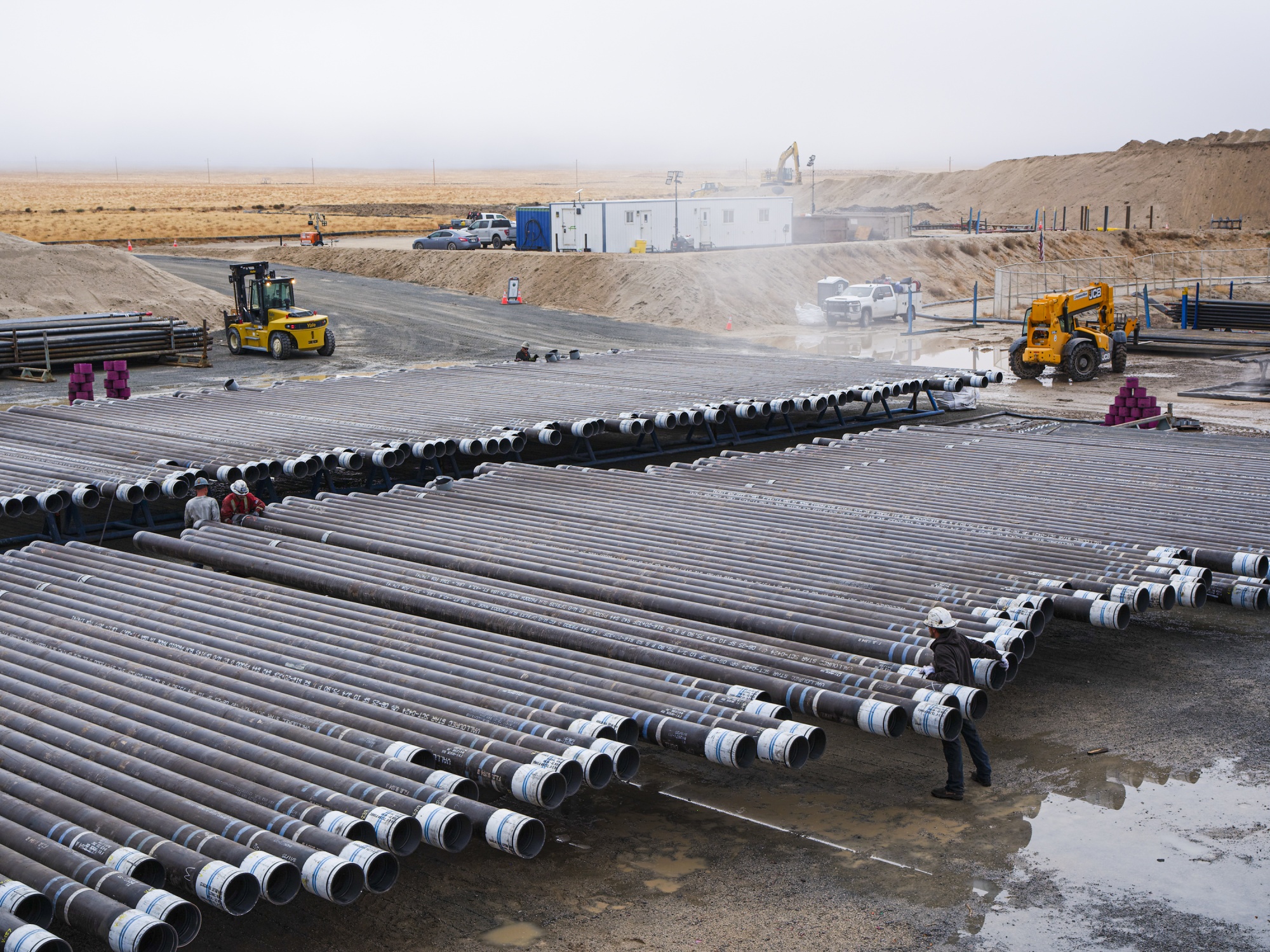
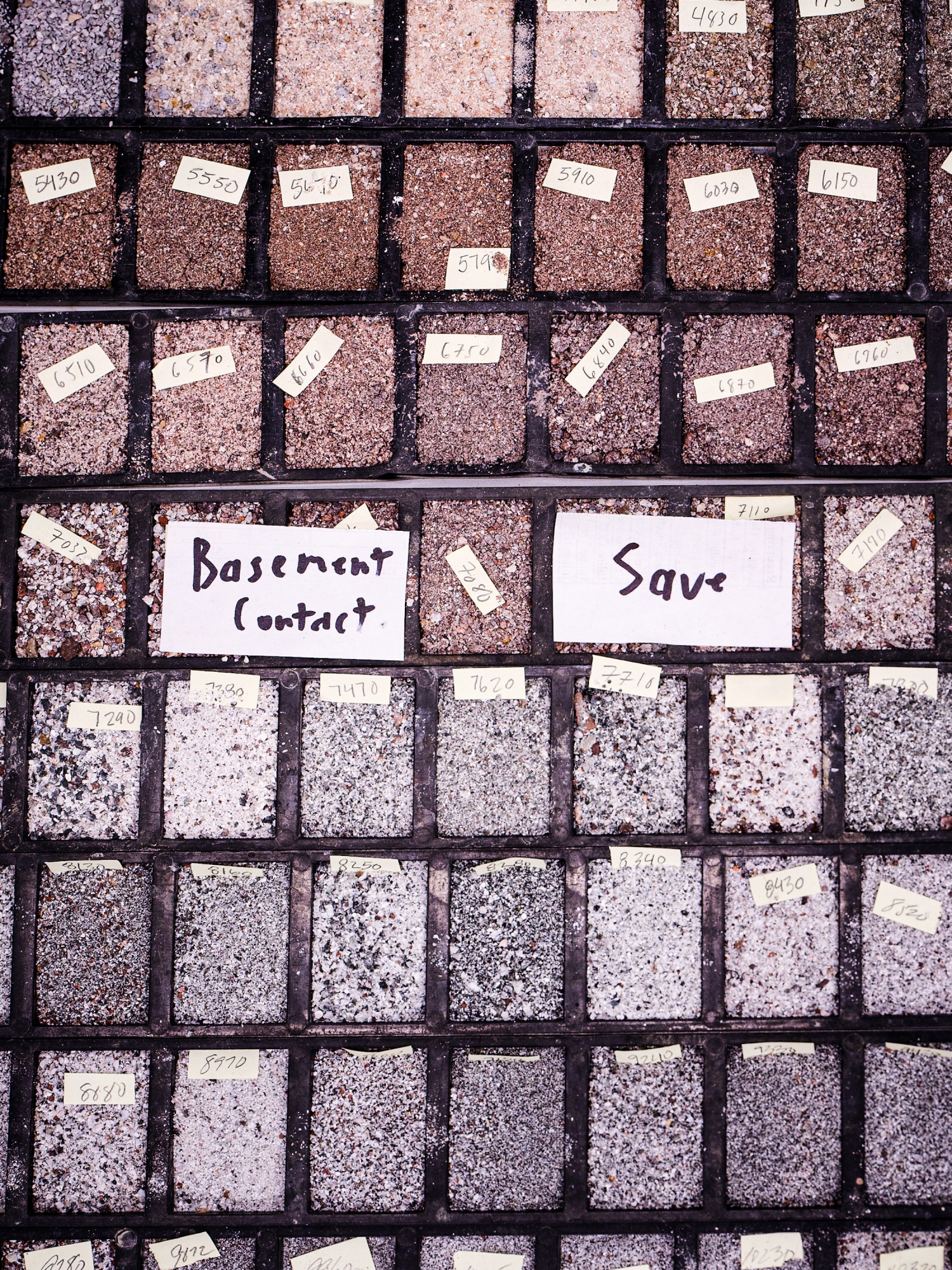
During an October visit, the site was frenetic. In trailers, scientists examined rock samples to help track drilling progress. Outside, some of the roughly 400 workers switched out a used drill bit on one of three well pads that will make up the plant’s first phase. Each pad is intended to house eight wells. The scene resembles a shale field, complete with a giant drilling rig and a billowing American flag.
Latimer lifted another idea from the oil and gas playbook when he spent about 30% of Fervo’s approximately $11 million Series A funding on leasing land, an unusual move for a clean tech startup. That’s how oil and gas wildcatters have operated for decades, investing in land before it’s valuable, proving it has underground resources, and selling it once they’ve been tapped.
Fervo has snapped up more than 600,000 acres, mostly in the western US, a strategy that’s proved prescient. A bevy of startups have since gone on their own spending sprees, sending public geothermal land lease prices skyrocketing 282% in 2025, according to the US Bureau of Land Management.
The company has also focused on lowering the costs of its custom drill bits made from expensive synthetic diamonds designed to cut into hard, hot rock. The drill bits from Fervo’s first well in Nevada lasted about 200 feet, but several bits from more recent runs in Utah have cut as deep as 2,000 feet. Drilling a vertical monitoring well can now cost as little as $3 million, Fervo says, compared with $13 million before.
Drilling wells is the costliest part of geothermal, and Fervo’s success hinges on how often it will have to build new ones. That will in part be dictated by how much the rocks around the fractures cool, a process known as thermal decline, which can cause a drop in power output and necessitate drilling new wells.
A year of production data from Fervo’s Nevada pilot shows a small amount of thermal decline. But that project is much smaller in scope than its Utah plant and the sparse data has given some pause. “None of them have operated for long enough to know how long the wells will stay productive and when they will need to re-drill and how often,” said Mike Matson, a partner and associate director at Boston Consulting Group.
There’s also the delicate issue of community relations. As with any large infrastructure project, enhanced geothermal systems face risk from local opposition, particularly over water use and earthquake risk.
Studies have shown that as much as 20% of the water in an enhanced geothermal system can be lost to porous rock, a bad look in the parched Southwest. Latimer stresses that Fervo only consumes a “minimal” amount of brackish water that can’t be used for growing crops or supplying cities. The company expects higher water recapture rates as its well designs improve.
In the worst-case scenario, enhanced geothermal systems could induce an earthquake by triggering a nearby fault line, a risk that’s also been well-documented in areas with widespread fracking. Researchers have recorded imperceptible tremors during enhanced geothermal experiments, but a few have been strong enough to raise alarms. The most notable occurred in South Korea in 2017, where a system caused widespread damage and injured 135.
Fervo says it follows the Energy Department’s best practices to reduce the risk of earthquakes. The bigger challenge, Latimer said, is public perception. “You don’t want to be the next nuclear and have NIMBYism.”
Fervo’s commercial pilot came online in 2023, just as ChatGPT became a household name and the AI race took off in earnest. That, along with the rapid electrification of homes and cars and other factors, means the world’s electricity demand is expected to surge 75% by midcentury, according to BloombergNEF.
The surge in demand has sent power prices soaring. About four years ago, purchase agreements for geothermal averaged about $60 to $70 per megawatt-hour. Today, they can go much higher, said Doron Blachar, Ormat’s chief executive officer. “Whatever we can build, we can sell,” he added.
Still, “the most important thing in electricity production is the cost per kilowatt-hour,” said venture capitalist Vinod Khosla, and neither traditional nor enhanced geothermal systems are cheap enough to compete with gas at the moment. Fervo says its technology is already cost-competitive with other forms of clean, firm power.
That hasn’t stopped a wave of next-generation geothermal startups. They include Quaise Energy Inc. and Mazama Energy, both backed by Khosla, which are attempting to drill deeper than Fervo and access superhot rocks using unconventional techniques. By tapping higher temperatures deeper underground, producers could potentially harness more energy with fewer wells, bringing down costs.
Oil and gas majors like Occidental Petroleum Corp. and SLB have also started investing in enhanced geothermal. “Geothermal for us is moving faster than we’ve seen anything happen in decades,” Gavin Rennick, president of new energy, SLB, said at a BNEF conference in September.
While Fervo has benefited from a first-mover advantage, it will have to keep raising money to stay ahead. The company announced Thursday it secured a $421 million debt package to finish construction for the first phase of its Utah plant. It’s also aiming for a $2 billion to $3 billion IPO, according to Axios. Fervo declined to comment on its target.
Latimer, for his part, welcomes more competition. At last year’s New York Climate Week, he said that the geothermal pie is so big, it’s fine if others take a slice.
“You look at the shortfall and how much electricity is needed just in the United States over the next few years and then how much even our wildest ambitions can fill,” he said. “We’re still not going to close that gap.”
©2026 Bloomberg L.P.


