The ongoing security crisis in the Bab el-Mandeb strait has generated $8.2 billion in annual economic losses across African economies, with shipping costs through the Red Sea corridor increasing 340% since early 2024, according to data from the International Maritime Organization and African Development Bank released this week.
Container shipping rates from Asia to European markets via the Red Sea have surged to $4,200 per twenty-foot equivalent unit (TEU) compared to $1,200 in January 2024, forcing 68% of global container traffic to reroute around the Cape of Good Hope. This diversion adds 14-21 days to transit times and approximately $1 million in additional fuel costs per vessel.
Economic Impact on African Trade Corridors
The security situation has disproportionately affected African economies dependent on the Red Sea trade route. Egypt’s Suez Canal Authority reported a 47% decline in transit fees, translating to $3.8 billion in lost annual revenue. The Egyptian pound has weakened 23% against the dollar since the crisis began, with the Central Bank of Egypt spending $12 billion in foreign exchange reserves to maintain stability.
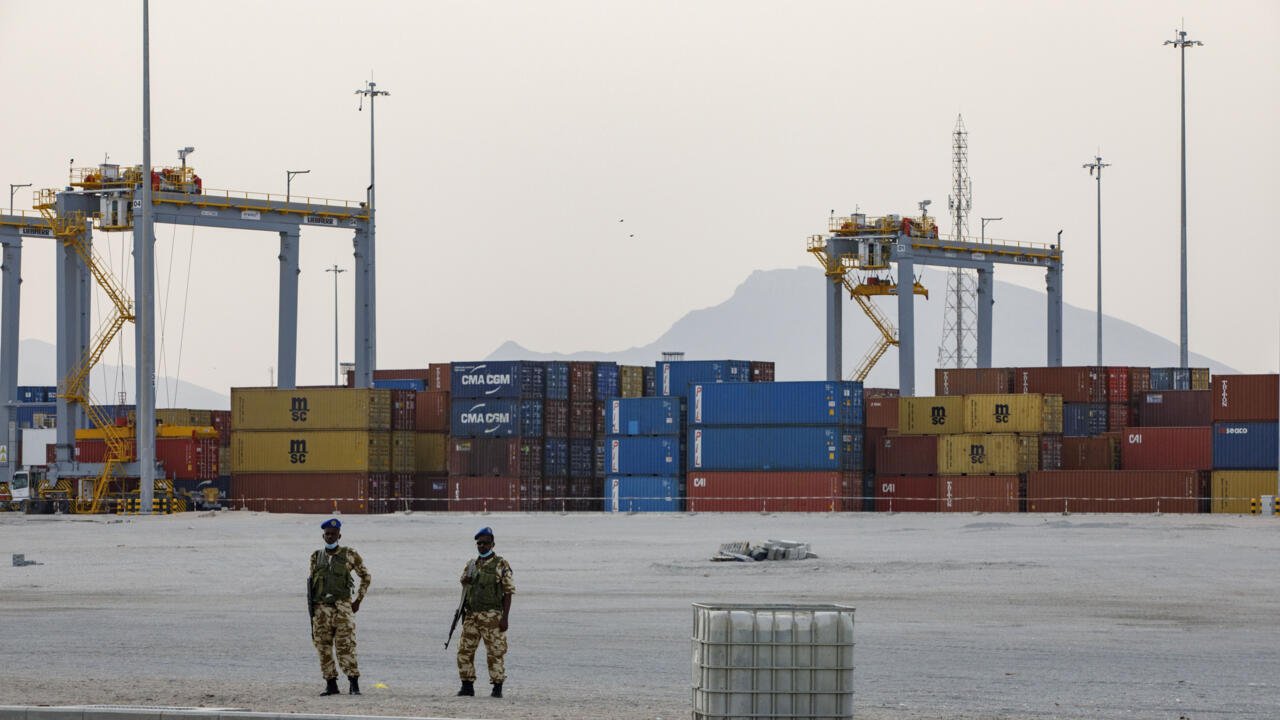
Djibouti’s Port of Djibouti, which handles 95% of Ethiopia’s international trade, has experienced a 31% reduction in cargo volumes. Ethiopian Airlines reported $420 million in additional logistics costs for cargo operations, while the Ethiopian Commercial Bank estimates the landlocked nation faces $1.2 billion in increased import costs annually.
South Africa’s ports have benefited from the rerouting, with the Port of Cape Town reporting 43% increased container throughput. However, port congestion has increased vessel waiting times to an average of 8.3 days, according to the Ports Regulator of South Africa.
Insurance and Shipping Industry Response
Lloyd’s of London maritime insurance syndicates have increased war risk premiums for Red Sea transits to 1.25% of vessel value, compared to 0.05% for standard routes. Major shipping lines including Maersk, MSC, and CMA CGM maintain suspended services through the Bab el-Mandeb strait, with MSC stating no resumption plans until “demonstrable, sustained security improvements.”
The Baltic Dry Index, measuring dry bulk shipping costs, has risen 185% since the crisis began. Hapag-Lloyd reported $2.3 billion in additional operational costs for 2025, while A.P. Moller-Maersk allocated $1.8 billion for extended voyage expenses.
Regional Security Initiatives
The Combined Maritime Forces, led by the U.S. Fifth Fleet, has coordinated 340 naval escorts through Red Sea waters since January 2024. However, incidents affecting commercial shipping continue at a rate of 2.3 per week, according to the International Maritime Bureau’s Piracy Reporting Centre.
The African Union Maritime Domain Awareness initiative, supported by $450 million in funding from the European Union and World Bank, aims to enhance regional maritime security capabilities. The program includes establishing three maritime operations centers in Djibouti, Egypt, and Somalia by Q2 2026.
Commodity Price Impacts
Agricultural commodities have experienced significant price volatility due to shipping disruptions. Wheat prices increased 34% as Ukrainian and Russian grain exports face extended transit times. Coffee prices rose 28%, particularly affecting Ethiopian arabica exports, which constitute 67% of the country’s foreign exchange earnings.
Energy markets show crude oil price premiums of $8-12 per barrel for Middle Eastern exports, with Brent crude futures maintaining elevated levels due to supply chain uncertainties. The International Energy Agency estimates 12% of global oil transit passes through the Red Sea corridor.
Forward-Looking Risk Assessment
Credit rating agencies have placed negative outlooks on several Red Sea-dependent economies. Moody’s downgraded Egypt’s sovereign rating to B2, citing reduced canal revenues and currency pressures. Fitch Ratings assigned negative outlooks to Djibouti and Sudan, emphasizing maritime trade dependency risks.
The World Bank projects continued economic headwinds for the region, estimating 18-24 months for security normalization based on historical precedents. Investment institutions should monitor shipping cost trends, insurance premium developments, and regional port capacity utilization as key indicators for exposure assessment. Alternative trade route development and port infrastructure investments in West and East Africa present potential opportunities as supply chains adapt to persistent Red Sea risks.