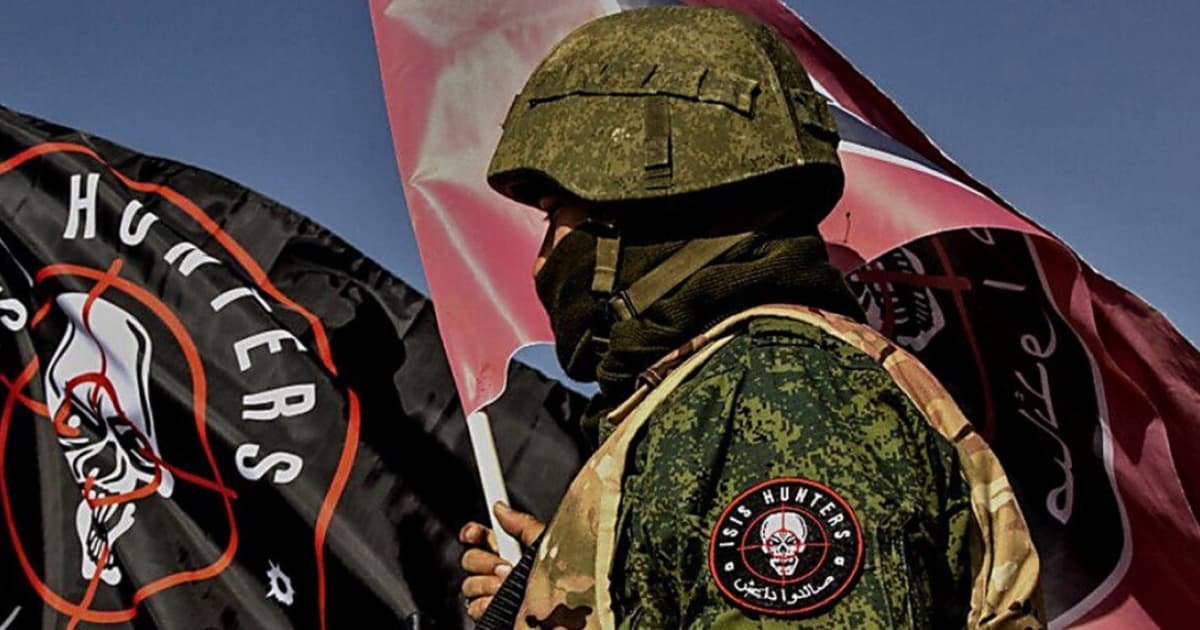
The systematic withdrawal of Wagner Group operations from Africa has created a $2.8 billion annual security services vacuum, triggering an unprecedented scramble among international private military contractors and state-backed security firms to capture market share across 14 African nations.
Intelligence assessments indicate Wagner’s complete operational cessation by Q4 2025 eliminated approximately 8,000 personnel from mining security, government protection, and counter-insurgency operations across Mali, Central African Republic, Sudan, and Libya. The economic disruption extends beyond direct military services, encompassing Wagner’s integrated business model that linked security provision with resource extraction rights and infrastructure development.
Market Realignment and New Entrants
Turkish defense contractor SADAT International has emerged as the most aggressive replacement bidder, securing $340 million in contracts across Mali and Niger since January 2025. SADAT’s model mirrors Wagner’s approach by bundling military training, equipment sales, and advisory services with preferential access to Turkish construction and mining firms.
Chinese state-linked Frontier Services Group, backed by CITIC Group’s $1.2 billion Africa security fund, has positioned itself as the premium alternative, emphasizing technological integration and lower political risk. FSG’s proposal to the Central African Republic government includes $180 million in annual security services paired with Belt and Road infrastructure guarantees.
Western contractors face significant disadvantages despite superior technical capabilities. G4S and DynCorp International proposals average 40% higher costs than Turkish and Chinese competitors, while U.S. export control restrictions limit equipment transfers that made Wagner attractive to authoritarian clients.
Resource Extraction Integration
Wagner’s unique value proposition combined security services with preferential access to diamond, gold, and uranium concessions worth an estimated $1.4 billion annually across its operational territories. This integrated model generated sustainable revenue streams that subsidized below-market security pricing, creating competitive advantages traditional Western contractors cannot replicate.
Nordgold’s Burkina Faso operations, previously secured by Wagner personnel, now face $12 million in additional security costs after contracting with South African Executive Outcomes successor firms. Similar cost inflation affects Chinese mining investments in CAR, where security expenses have increased 65% since Wagner’s departure.
Institutional Stability Implications
The contractor transition coincides with measurable governance deterioration across former Wagner client states. The Armed Conflict Location & Event Data Project reports 34% increased civilian casualties in Wagner withdrawal zones between October 2025 and February 2026, primarily attributed to security gaps during contractor handovers.
Mali’s transitional government faces particular challenges, with three separate contractor agreements creating coordination problems among Turkish, Chinese, and residual French forces. Defense spending has increased from 2.8% to 4.2% of GDP as the government pays premium rates for fragmented services previously consolidated under Wagner’s umbrella.
Credit rating agencies have responded accordingly. Fitch downgraded CAR’s sovereign rating from CCC+ to CCC in January 2026, citing “elevated security transition risks and fiscal pressures from higher defense spending.” Similar downgrades affect Mali (CCC- to CC) and Sudan’s regional government bonds.
Diplomatic Leverage Shifts
Wagner’s withdrawal fundamentally alters diplomatic influence patterns across Francophone Africa. France’s renewed military engagement through Operation Takuba expansion represents a $890 million annual commitment, while Turkey’s contractor-led approach requires minimal direct military presence but generates sustainable political influence through economic integration.
China’s contractor strategy emphasizes technological superiority and infrastructure linkages, with FSG deploying surveillance systems and communications networks that create long-term dependencies beyond security services. This approach has proven attractive to governments seeking technological modernization alongside security provision.
Investment and Policy Implications
Defense industry investors should monitor Turkish defense stocks, particularly ASELSAN and Turkish Aerospace, which benefit from SADAT’s Africa expansion. Chinese infrastructure and mining stocks with Africa exposure face near-term margin pressure from increased security costs but may benefit from FSG’s integrated approach.
Commodity markets reflect security premium increases, with West African gold prices carrying 2-3% premiums over London fixes due to elevated extraction risks. Uranium spot prices from Niger and CAR sources command similar premiums, affecting nuclear fuel procurement strategies for European utilities.
Policymakers must prepare for sustained instability as contractor transitions continue through 2026. The Wagner model’s collapse demonstrates risks of over-reliance on integrated military-commercial providers, suggesting need for more robust international frameworks governing private military contractor operations in fragile states.