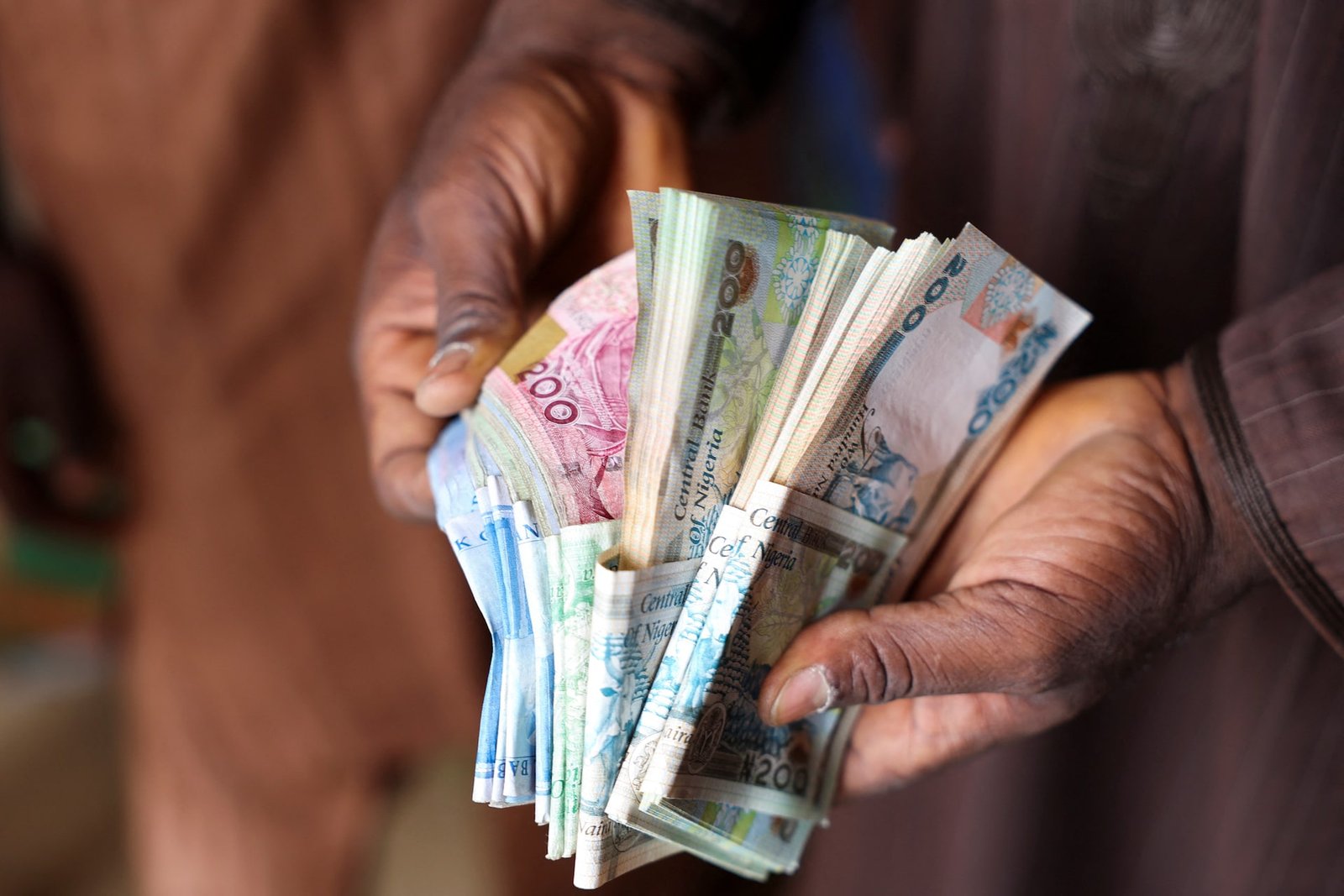
Nigeria’s naira and Ghana’s cedi have depreciated 35% and 28% respectively against the dollar since January 2025, creating a complex policy dilemma as export competitiveness surges while industrial input costs threaten manufacturing viability across West Africa’s largest economies.
The Central Bank of Nigeria’s decision to allow greater exchange rate flexibility has pushed the naira to ₦2,100 per dollar, while Ghana’s cedi trades at GH₵18.5 per dollar following the Bank of Ghana’s managed float adoption. Both currencies have found new equilibrium levels that dramatically alter trade dynamics.
Export Performance Exceeds Projections
Nigerian non-oil exports jumped 23% in Q4 2025, with agricultural products leading gains. Cocoa exports from both countries increased 31% year-over-year, while Ghana’s gold exports rose 18% as dollar-denominated commodity prices became more attractive for local producers.
“The devaluation has restored our pricing competitiveness in global markets,” said Wale Edun, Nigeria’s Finance Minister, citing textile exports that increased 45% to European markets. Ghana’s Trade Ministry reports similar gains, with processed foods and light manufactures gaining market share across ECOWAS.
However, import-dependent sectors face mounting pressure. Nigerian manufacturers report input costs rising 40-60% for imported machinery and raw materials, forcing production cuts at over 200 facilities according to the Manufacturers Association of Nigeria.
Industrial Policy Under Pressure
The currency adjustments expose fundamental weaknesses in both countries’ industrial strategies. Nigeria’s automotive assembly sector, built around imported components under previous industrial policies, faces existential challenges with parts costs doubling in naira terms.
Ghana’s pharmaceutical sector, which relies on imported active ingredients for 80% of production, has seen five companies suspend operations since August 2025. The Ghana Association of Pharmaceutical Industries estimates domestic drug production costs have increased 52%.
“We’re witnessing a forced industrial restructuring,” explains Dr. Nonso Obikili, chief economist at the Centre for the Study of the Economies of Africa. “Companies must now source locally or exit, regardless of previous investment decisions.”
Manufacturing Sector Adjustments
Both governments have responded with targeted support measures. Nigeria allocated ₦500 billion for industrial input financing at subsidized rates, while Ghana’s Development Bank created a $200 million facility for manufacturers transitioning to local sourcing.
Steel production in Nigeria has increased 12% as imported alternatives became prohibitively expensive, while Ghanaian textile producers report 25% growth in local cotton utilization. These shifts represent genuine import substitution driven by market forces rather than policy mandates.
Monetary Policy Coordination Challenges
The Bank of Ghana maintains its policy rate at 30% to contain inflation that reached 42% in February 2026, while Nigeria’s Central Bank holds rates at 26.75% despite inflation accelerating to 35%. Both institutions face the delicate task of supporting industrial adjustment without triggering runaway price increases.
Foreign exchange market liquidity remains constrained in both countries. Nigeria’s official reserves stand at $32 billion, down from $37 billion in 2024, while Ghana’s reserves have stabilized at $6.8 billion following IMF program compliance.
“The challenge is maintaining exchange rate stability while allowing enough flexibility for economic adjustment,” notes Ghana’s central bank governor, Dr. Ernest Addison, acknowledging the policy trade-offs.
Regional Implications and Investment Outlook
Currency realignments are reshaping regional trade patterns within ECOWAS. Nigerian goods have gained competitiveness against imports from Côte d’Ivoire and Senegal, whose CFA franc peg to the euro provides stability but reduces flexibility.
Foreign direct investment flows show mixed patterns. Manufacturing FDI declined 15% in both countries as investors reassess input cost structures, while agricultural processing and mining investments increased 22% and 8% respectively.
For institutional investors, the currency adjustments create sector-specific opportunities and risks. Export-oriented companies with local cost structures offer compelling valuations, while import-dependent manufacturers face prolonged margin pressure absent successful local sourcing transitions.
The sustainability of current exchange rate levels depends on maintaining export momentum while supporting industrial transformation. Policymakers must balance immediate competitiveness gains against long-term industrial development objectives as both economies navigate this fundamental restructuring.