

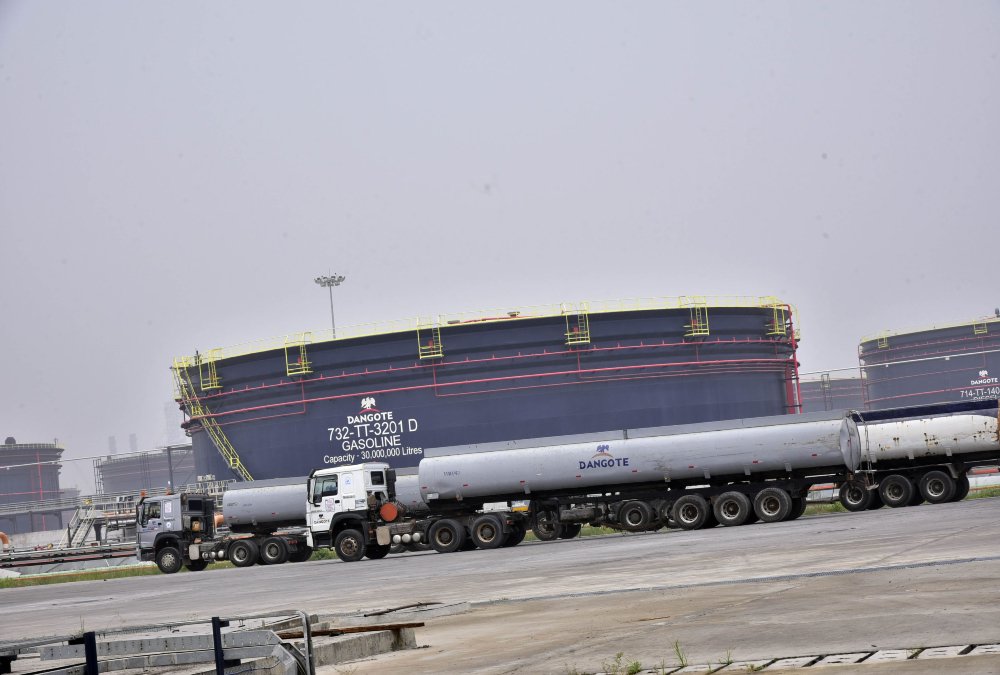
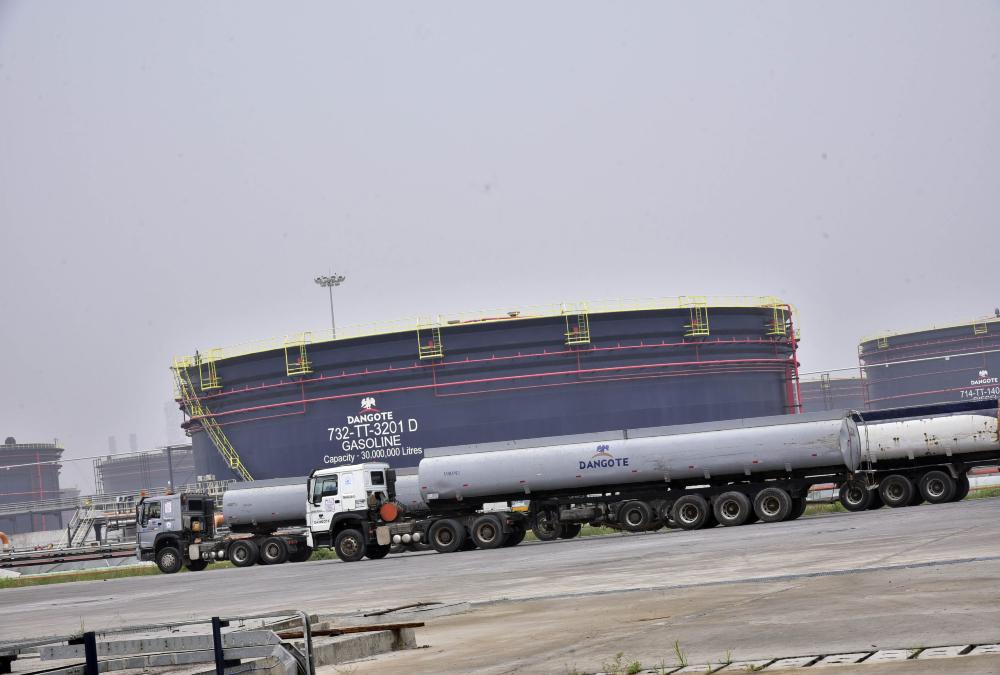
African governments are urgently seeking fuel from Aliko Dangote’s 650,000-barrel-per-day refinery in Nigeria as the US-Israel conflict with Iran disrupts global energy flows. South Africa, Ghana and Kenya have all requested supplies from the complex, which allocates 75 percent of output to domestic demand.
The trigger: Iran’s February 28th blockade of the Strait of Hormuz. The chokepoint handles most Middle East oil exports, and roughly 75 percent of East and Southern Africa’s refined-fuel imports originate there.
Crude prices have surged more than 40 percent, exceeding $100 a barrel, straining budgets and consumers.
South Africa is negotiating a standard 12-month supply contract with Nigeria, according to people familiar with the talks. Ethiopia has urged fuel conservation. South Africa’s Treasury warns it has limited capacity to shield households from price spikes.
“Right now it is not about pricing, it’s about availability,” Aliko Dangote told The Economist. The refinery’s exportable surplus – approximately 160,000 barrels daily – is modest against continental shortfalls.
No African nation belongs to the International Energy Agency, which requires members to hold 90 days of net oil imports in reserve. Kenya mandates three weeks’ stock for marketers; South Africa reports adequate near-term supplies. Yet with shipping lanes unsettled and markets volatile, Africa’s exposure to external energy shocks has rarely been clearer.


