

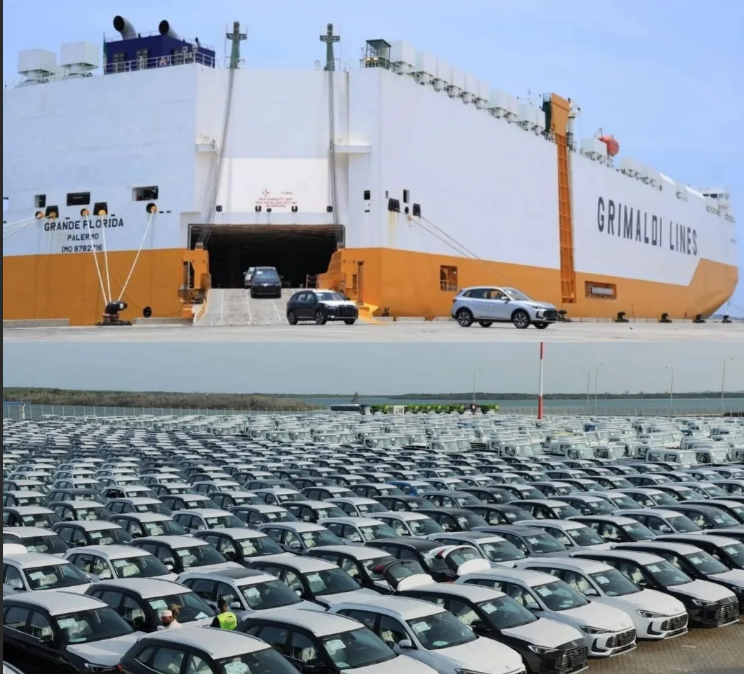
The vessels had departed Yokohama before the war involving the U.S., Israel, and Iran led to a shutdown of traffic through the Strait of Hormuz, while Dubai’s Jebel Ali Port was hit by Iranian strikes.
“There are still ships with cargo that are destined for the Gulf… just wandering or drifting at sea,” said Abdulaziz Mzee, manager of the Port of Lamu. “It is not something to celebrate… but at the same time it is a commercial blessing.”
Officials say the vehicles will remain in Kenya temporarily, with an additional shipment of about 5,000 cars expected in the coming days.
Lamu emerges as strategic fallback as global shipping routes shift
Lamu’s selection as an alternative destination reveals its growing strategic relevance. Developed under Kenya’s LAPSSET corridor project, the port sits along a key Indian Ocean shipping lane, making it one of the closest viable deep-sea alternatives for vessels unable to proceed into the Gulf.
Its relatively uncongested berths and modern infrastructure also make it well-suited to handle sudden cargo diversions.
Beyond geography, Lamu offers logistical flexibility at a time when major global ports are under pressure. With shorter rerouting distances compared to Southern African ports and fewer capacity constraints than traditional hubs, it provides a practical stopgap for cargo stranded by geopolitical shocks.
The incident reflects broader disruptions triggered by the Iran war, which has sent ripple effects through global energy and shipping markets.
The Strait of Hormuz, a critical passage for a significant share of the world’s oil supply, has become increasingly volatile, driving up insurance costs, freight rates, and delivery times.
For Africa, the situation presents a mixed picture. While countries like Kenya may benefit from increased port activity, the wider continent faces higher fuel import costs and supply uncertainties.


