

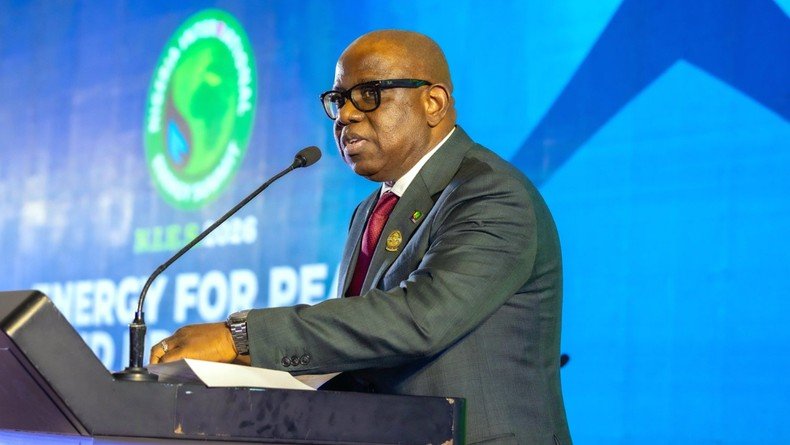
The handover ceremony was conducted on behalf of EFCC chairman Ola Olukoyede by the commission’s secretary, Mohammed Hammajoda, who framed the recovery as part of a broader institutional push to strengthen accountability across Nigeria’s public sector.
Hammajoda said the recovered sum was the result of “thorough investigations and the professional exposure of fraudulent activities”, adding that the agency remained committed to safeguarding public resources. He noted that the EFCC would continue to act “with courage and integrity” in serving the country, despite the risks involved in anti-corruption enforcement.
The recovery highlights persistent governance challenges within Nigeria’s oil industry, which remains the backbone of Africa’s largest economy but has long been plagued by allegations of mismanagement, opacity, and revenue leakages.
For global observers, including investors in the United States, the United Kingdom, Canada, and China, such recoveries are often viewed as a litmus test for reform credibility in the sector.
NNPC signals reform commitment amid investor scrutiny
Receiving the funds on behalf of NNPC, Mumuni Dagazau, the company’s executive vice-president for downstream operations, welcomed the development and acknowledged the role of inter-agency collaboration in achieving the outcome.
He described the recovery as evidence of “the core unity that exists in our system”, adding that NNPC had been working to address longstanding structural issues within its operations.
Dagazau also expressed appreciation for the EFCC’s support, noting that the company had proactively engaged the commission to assist in the process.
While the recovered sum represents a fraction of the sector’s overall revenues, the symbolic importance of enforcement actions against internal actors may prove more significant in shaping perceptions of Nigeria’s reform trajectory.


