

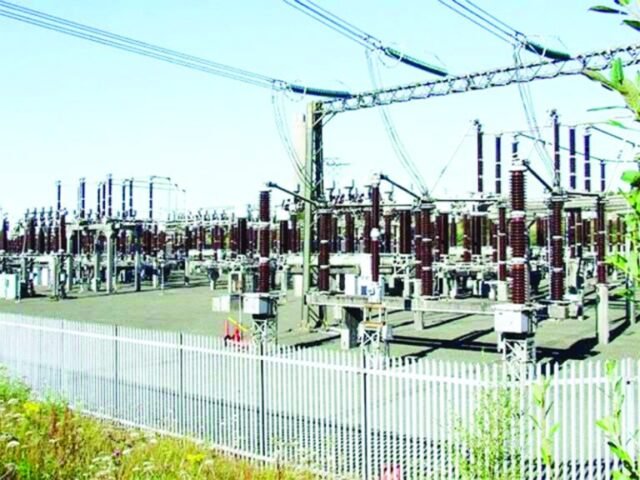


A closer look at Nigeria’s electricity landscape shows a system struggling to keep pace with demand, as most of the country’s installed generation capacity remains unused even under pressure. Recent operational data reviewed from the Nigerian Electricity Regulatory Commission points to a widening gap between potential output and actual supply across the grid.
In reports covering February operations in Nigeria, only a fraction of the country’s 13,625MW installed capacity was available for use. Much of the rest stayed idle due to fuel shortages, technical limitations, and grid inefficiencies. This situation continues to affect electricity supply reliability for households and industries.
The findings, attributed to industry analysis by Emmanuel Addeh in THISDAYLIVE, highlight that available generation averaged 4,384MW during the period. That figure reflects a plant availability factor of just 32 percent, meaning roughly 68 percent of capacity could not be deployed.
From a technical standpoint, this creates a system where supply is constrained not by demand alone but by operational readiness. In simple terms, Nigeria’s power plants are capable on paper, but only a limited portion can consistently deliver, a pattern often seen in electricity generation capacity Nigeria analysis.
Despite the limitations, the plants that were active operated near full utilization. Average generation hovered around 4,102MWh per hour, leaving only a narrow reserve margin of about 282MW. This thin buffer is significant because it reduces the grid’s ability to absorb sudden faults or spikes in demand, a concern often raised in discussions about Nigeria grid stability challenges.
A technical comparison between installed capacity and actual output shows a clear imbalance. Installed capacity exceeds 13,000MW, yet real-time production rarely moves beyond 5,000MW. This gap mirrors conditions in other constrained energy systems where fuel supply bottlenecks and maintenance deficits limit output regardless of infrastructure size.
One of the most critical issues identified is the heavy dependence on gas-fired plants. Thermal stations account for more than three-quarters of total capacity, making natural gas supply disruptions a central constraint. Shortages linked to pipeline vandalism, infrastructure maintenance, and payment disputes continue to interrupt gas deliveries.
Voltage and frequency readings during the month further reflect stress on the grid. Voltage levels moved outside acceptable operating bands, while frequency readings also fluctuated beyond standard thresholds. These deviations indicate instability, which can affect equipment performance and overall system reliability.
For a system designed to operate within strict technical limits, such deviations suggest that balancing supply and demand remains difficult. When frequency drifts below or above recommended ranges, generators and connected devices may operate inefficiently, increasing the risk of outages.
Industry observers often describe this as a structural issue rather than a short-term setback. The combination of aging infrastructure, limited gas supply, and financial challenges within the electricity market continues to restrict performance. Gas producers, in some cases, face delayed payments, reducing incentives to expand deliveries to power plants.
From an operational perspective, even when plants are available, transmission constraints can prevent full evacuation of generated power. This creates a situation where energy exists but cannot always reach consumers, further contributing to uneven supply patterns across regions.
The overall picture suggests that Nigeria’s electricity challenges are not solely about capacity expansion but also about improving reliability, fuel access, and grid management. Until these elements align, the gap between installed capacity and delivered electricity is likely to persist, shaping the country’s ongoing power supply narrative.



