

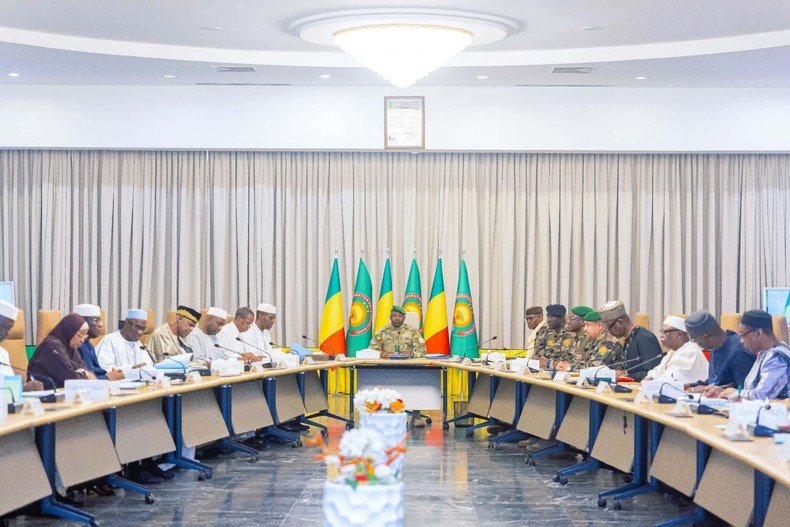
At a cabinet meeting held in Koulouba on March 18, Mali’s government approved a series of decrees establishing updated organizational frameworks for embassies in Beijing, Berlin, Kigali, Rome, Cairo, and Moscow, alongside its consulate in Paris.
The embassy restructuring reflects a deliberate effort by Mali – and by extension the AES bloc, to deepen engagement beyond its immediate regional sphere.
While the alliance, which includes Burkina Faso and Niger, has often been framed as pivoting away from traditional Western partners, the inclusion of capitals such as Berlin, Rome, and Paris reflects a more pragmatic strategy: diversifying partnerships rather than abandoning them.
Mali expands global reach as gold reforms tighten state control
Alongside its diplomatic push, the government is reinforcing its grip on the country’s most strategic resource – gold.
Despite this contribution, Mali has faced difficulties in controlling the flows from gold panning and small mines due to disparities between official national statistics and the quantities received in the destination countries.
A separate decree approved the extension of an exploration permit for Roscan Gold Mali SARL in the Kandiolé-Nord area, while authorities also moved to establish a new state body tasked with overseeing precious substances.
The planned Malian Office of Precious Substances is expected to formalize and secure the commercialization of gold from artisanal mining, a sector long plagued by informality and revenue leakages.
Strengthening oversight of artisanal gold production could help boost state revenues at a time of fiscal pressure, while also improving traceability in global supply chains.
Beyond diplomacy and mining, the cabinet also endorsed a national entrepreneurship strategy for 2026–2030, aimed at fostering private sector growth and job creation. Together, the measures point to a dual-track strategy: opening outward to global partners while consolidating control at home over key economic assets


