

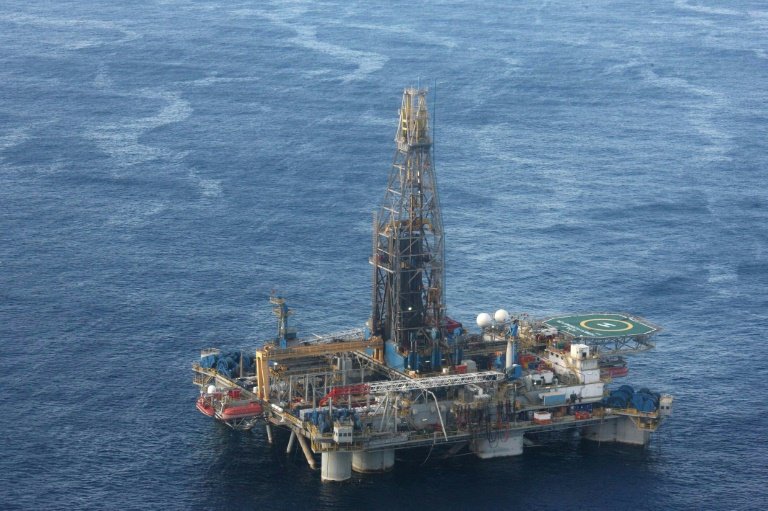
The finds were made at two nearby structures, Bahr Essalam South 2 (BESS 2) and Bahr Essalam South 3 (BESS 3), about 85 kilometres off Libya’s coast in waters around 650 feet deep. Both wells encountered gas in the Metlaoui formation, a key producing reservoir in the Mediterranean.
Eni said early data shows a “high quality reservoir,” with well tests confirming the fields can deliver commercially viable output.
The discoveries are located just 16 kilometres from the Bahr Essalam field, Libya’s largest offshore gas asset. This means they can be quickly developed by linking them to existing infrastructure, allowing faster production and lower costs.
Gas from the fields will supply Libya’s domestic market and be exported to Italy, reinforcing energy ties between both countries as Europe continues to reduce reliance on Russian supplies.
Libya’s state-run National Oil Corporation (NOC) said the discoveries could add around 130 million cubic feet of gas per day, helping to ease supply gaps and support export demand.
The announcement follows a renewed offshore push by Eni, which has increased exploration activity in Libya in recent months.
The company has operated in the country since 1959 and remains its largest foreign energy producer, with output of about 162,000 barrels of oil equivalent per day in 2025.
Eni is also advancing three development projects in Libya, with two expected to start production in 2026.
In February, it secured a new offshore exploration block covering nearly 29,000 square kilometres in the Sirte Basin, one of North Africa’s most prolific oil and gas regions.
Through its joint venture Mellitah Oil & Gas with the NOC, Eni is central to Libya’s gas expansion plans.
The partnership aims to raise output to 750 million cubic feet per day by 2026, supporting Libya’s position as a key supplier to Europe, particularly Italy via the Greenstream pipeline.
The strategy is already shifting trade flows. In 2025, Libya became Italy’s largest crude supplier, accounting for nearly a quarter of its imports, helped by shorter shipping routes and lower transport costs.
The latest discovery also fits into Eni’s wider Africa strategy, where it is combining new exploration with selective asset sales. Earlier this year, the company agreed to sell a 10 per cent stake in Côte d’Ivoire’s Baleine field to Azerbaijan’s SOCAR while retaining operatorship.


