

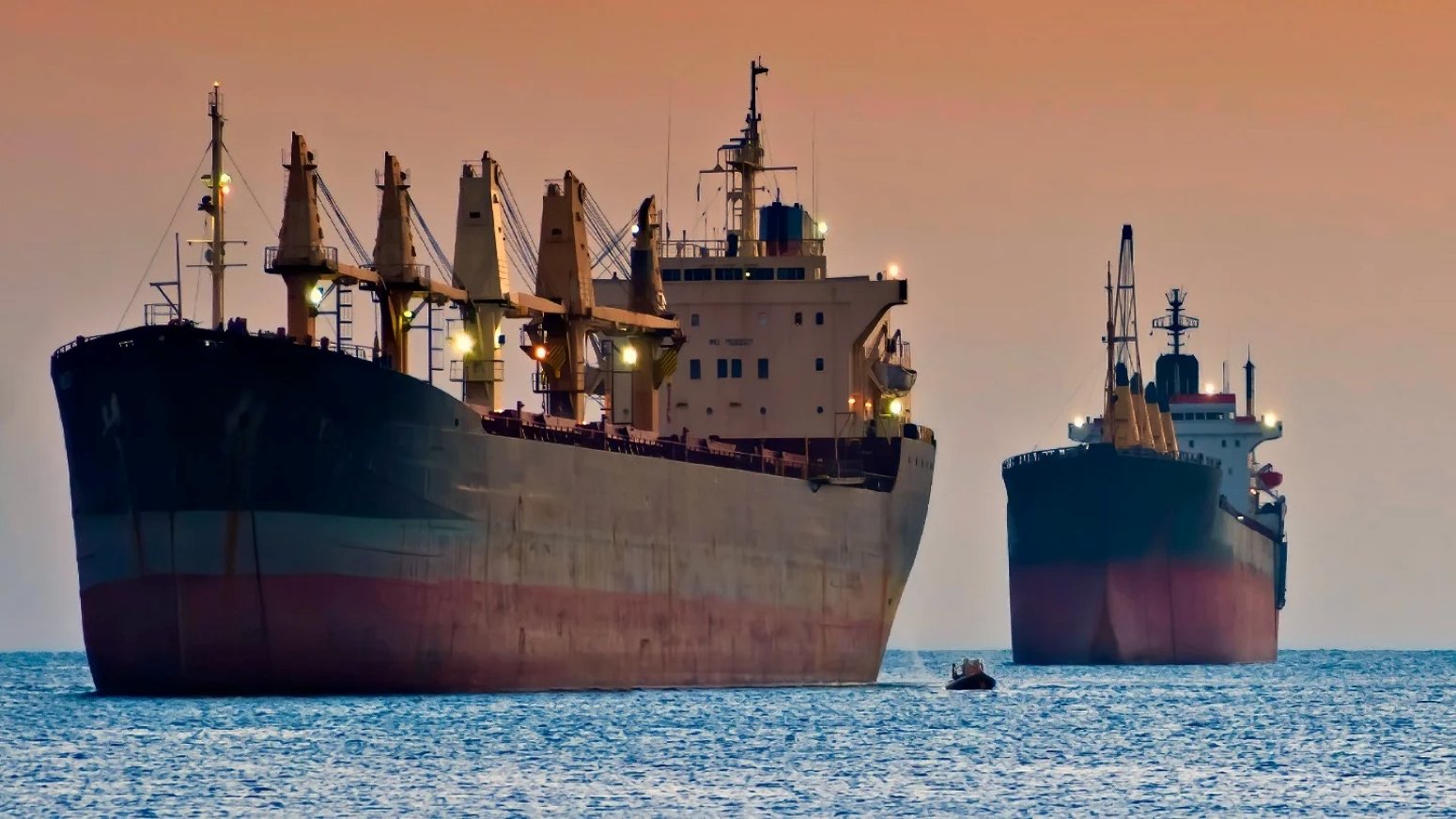
East African economies are absorbing $2.8 billion in additional annual trade costs as Red Sea shipping disruptions enter their third year, fundamentally reshaping continental trade flows and port economics across the region. Current freight rates from Asia to East African ports have stabilized at 60% above pre-2024 levels, creating permanent structural changes in trade route economics.
Economic Impact Assessment
Kenya’s Port of Mombasa has recorded a 23% decline in container throughput since early 2024, with the Kenya Ports Authority reporting revenue losses of $340 million annually. Ethiopian coffee exports, traditionally routed through Djibouti, now face an additional $180 per container in transportation costs, reducing farmer margins by an estimated 12-15%.
Tanzania’s Dar es Salaam port has partially offset losses by capturing diverted cargo from northern routes, with container volumes increasing 18% year-over-year. However, the Tanzania Ports Authority acknowledges that increased handling fees only recover 40% of the economic losses from disrupted regional trade patterns.
Regional inflation impacts vary significantly by country. Uganda’s Consumer Price Index shows sustained 3.2% additional inflation attributed to higher import costs, while Rwanda’s diversified supply chains have limited impact to 1.8% above baseline projections.
Maritime Insurance and Risk Premiums
Lloyd’s of London data indicates Red Sea war risk premiums have stabilized at 0.75% of cargo value, compared to 0.05% for traditional routes. This represents approximately $375 million in additional annual insurance costs for East African trade. Major shipping lines including Maersk and CMA CGM have implemented permanent Red Sea avoidance surcharges of $1,500-2,000 per twenty-foot equivalent unit.
The International Maritime Organization reports 89% of Asia-Africa container traffic now routes via the Cape of Good Hope, adding 10-14 days to journey times and requiring 15-20% additional vessel capacity to maintain service frequencies.
Port Infrastructure Realignment
South African ports have emerged as primary beneficiaries, with Durban and Cape Town recording combined revenue increases of $890 million since routing changes began. The Transnet National Ports Authority has accelerated a $2.1 billion capacity expansion program, targeting 40% increased container handling capability by 2028.
Conversely, Djibouti’s strategic position has been severely compromised. The Port of Djibouti reports 31% reduced transshipment volumes, prompting the government to offer 25% fee reductions and accelerated customs processing to retain cargo flows. The economic implications extend beyond port revenues, with Djibouti’s GDP growth projections revised downward by 1.3 percentage points annually.
Energy Security Implications
Regional fuel supply chains face particular vulnerability, with petroleum product imports experiencing 45-day average delays compared to historical 28-day cycles. Kenya’s petroleum import bill has increased by $420 million annually due to higher shipping costs and extended supply chain financing requirements.
The East African Crude Oil Pipeline project faces renewed scrutiny as regional energy security concerns intensify. Uganda and Tanzania are exploring alternative export route feasibility studies, including potential rail connections to Atlantic coast ports, representing potential infrastructure investments exceeding $8 billion.
Counter-Terrorism and Security Spending
Regional maritime security expenditures have increased substantially in response to Red Sea instability. The Combined Maritime Forces reports East African naval contributions to regional patrols have doubled, with Kenya allocating an additional $85 million annually for enhanced coastal security operations.
Private maritime security contractors report 340% increased demand for East African coastal escorts, with daily rates reaching $8,000-12,000 per vessel. This security premium adds approximately 0.3% to total cargo values for regional trade.
Forward-Looking Implications
Trade route diversification appears increasingly permanent rather than temporary adjustment. Regional financial institutions, including the African Development Bank, are reassessing infrastructure priorities, with $3.2 billion in planned Red Sea corridor investments under review.
For investors, the crisis presents mixed opportunities: South African port operators and logistics companies offer sustained growth potential, while East African consumer goods companies face margin compression. Currency implications remain significant, with the Kenyan shilling showing 8% additional volatility attributed to trade cost uncertainties.
Regional economic integration efforts may accelerate as countries seek to reduce dependence on global shipping routes. The African Continental Free Trade Area framework gains strategic importance as intra-African trade becomes relatively more cost-competitive compared to traditional Asia-Africa corridors.


