

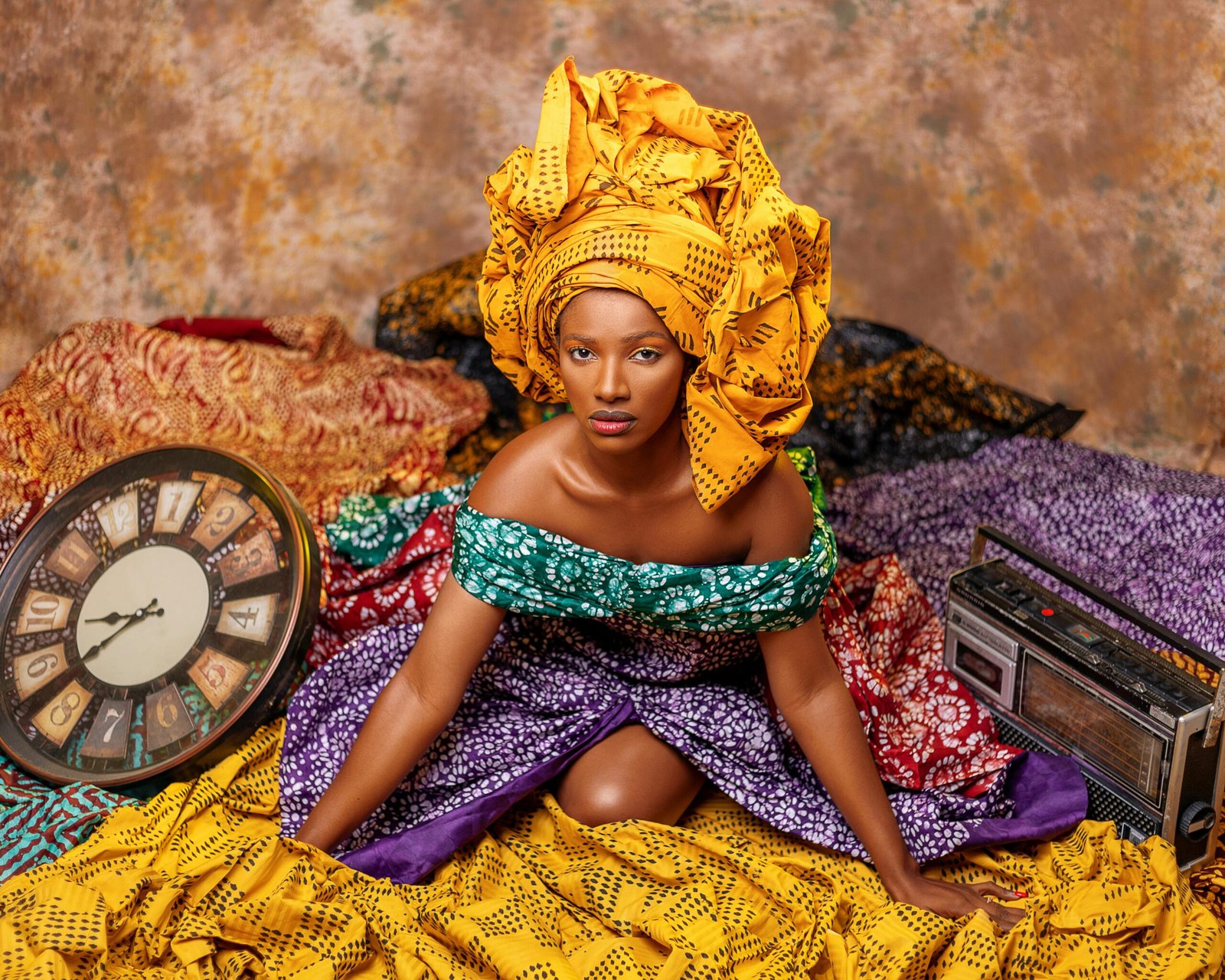
African fashion designers secured $2.8 billion in venture capital funding throughout 2025, representing a 340% increase from 2023 levels, according to data from the African Private Equity and Venture Capital Association (AVCA). This surge positions African fashion as the fastest-growing segment within the continent’s creative economy, outpacing fintech growth rates for the first time.
Capital Access Patterns Transform Designer Economics
The funding landscape reveals distinct patterns favoring scalable business models over traditional atelier approaches. Lagos-based Ankara Republic closed a $45 million Series B round led by Accel Partners, citing their direct-to-consumer platform’s 280% year-over-year revenue growth and expansion into 12 African markets.
“We’re seeing African fashion brands demonstrate unit economics that rival established European luxury houses,” said Maria Santos, Partner at London-based venture fund Balderton Capital, which has allocated $120 million to African fashion investments since 2024. “Average customer acquisition costs have dropped 60% through localized digital marketing strategies.”
South African accessories brand Okapi Collective raised $28 million in Series A funding from Sequoia Capital Africa, leveraging manufacturing partnerships across Kenya, Ghana, and Morocco to achieve 45% gross margins comparable to luxury European brands.
Digital-First Models Drive Valuation Premiums
Venture capital firms are applying premium valuations to African fashion brands with omnichannel distribution strategies. Data from CB Insights shows African fashion startups with integrated e-commerce platforms command average valuations 3.2x higher than traditional retail-focused brands.
Nigerian designer collective Collective 54 achieved a $180 million valuation despite generating $32 million in annual revenue, reflecting their technology infrastructure and data analytics capabilities. The platform’s predictive inventory management system reduces waste by 35% while maintaining 98% order fulfillment rates.
“Traditional fashion investment focused on creative talent and brand heritage,” explained James Mitchell, Managing Partner at TLcom Capital. “Today’s investors evaluate customer lifetime value, inventory turnover, and scalable production partnerships. African brands excel in these metrics due to necessity driven efficiency.”
Supply Chain Integration Attracts Strategic Investment
Vertical integration strategies are reshaping investment priorities, with brands controlling manufacturing attracting larger funding rounds. Ghanaian luxury label Studio One Eighty Nine secured $35 million from Impact VC partners after demonstrating their textile production facility’s ability to supply both internal collections and third-party brands.
Ethiopia’s textile manufacturing capacity has attracted $890 million in fashion-related FDI since 2024, positioning the country as Africa’s emerging luxury production hub. International brands including Stella McCartney and Gabriela Hearst have established production partnerships, creating revenue streams for African designers through manufacturing licensing agreements.
Brand Building Economics Favor African Authenticity
Consumer behavior data indicates African fashion brands achieve customer retention rates 25% higher than international competitors in African markets, according to McKinsey’s 2025 Africa Fashion Report. This retention advantage translates to lower marketing expenditure requirements and improved unit economics.
Kenyan brand KikoRomeo demonstrated this advantage by achieving profitability within 18 months of launch, compared to the industry average of 3-5 years. Their focus on locally-sourced materials and cultural storytelling generated organic social media reach exceeding 2.4 million monthly impressions without paid advertising.
Investment Infrastructure Matures Across Markets
The establishment of specialized fashion investment funds signals market maturation. Style Capital Africa, launched in 2025 with $450 million in committed capital, focuses exclusively on African fashion and lifestyle brands. The fund targets Series A and B investments ranging from $5-25 million.
South Africa’s Industrial Development Corporation allocated $200 million to fashion sector investments, while Kenya’s Development Finance Corporation established a $150 million creative economy fund with fashion as a priority sector.
Market Implications and Growth Trajectory
Investment banking firm Standard Bank projects African fashion brands will access $4.2 billion in global venture funding by 2027, driven by expanding middle-class consumer bases and improved logistics infrastructure. The bank’s analysis indicates fashion brands with documented ESG credentials attract 40% higher valuations from international investors.
For policymakers, this investment surge presents opportunities to establish African fashion weeks as legitimate business development platforms rather than cultural events. Nigeria’s Lagos Fashion Week generated $12 million in direct business connections for designers in 2025, while South Africa’s Cape Town Fashion Week facilitated $8 million in investment commitments.
The convergence of digital infrastructure, manufacturing capacity, and international capital creates unprecedented opportunities for African fashion entrepreneurs to build scalable, profitable enterprises while maintaining cultural authenticity and local economic impact.


