

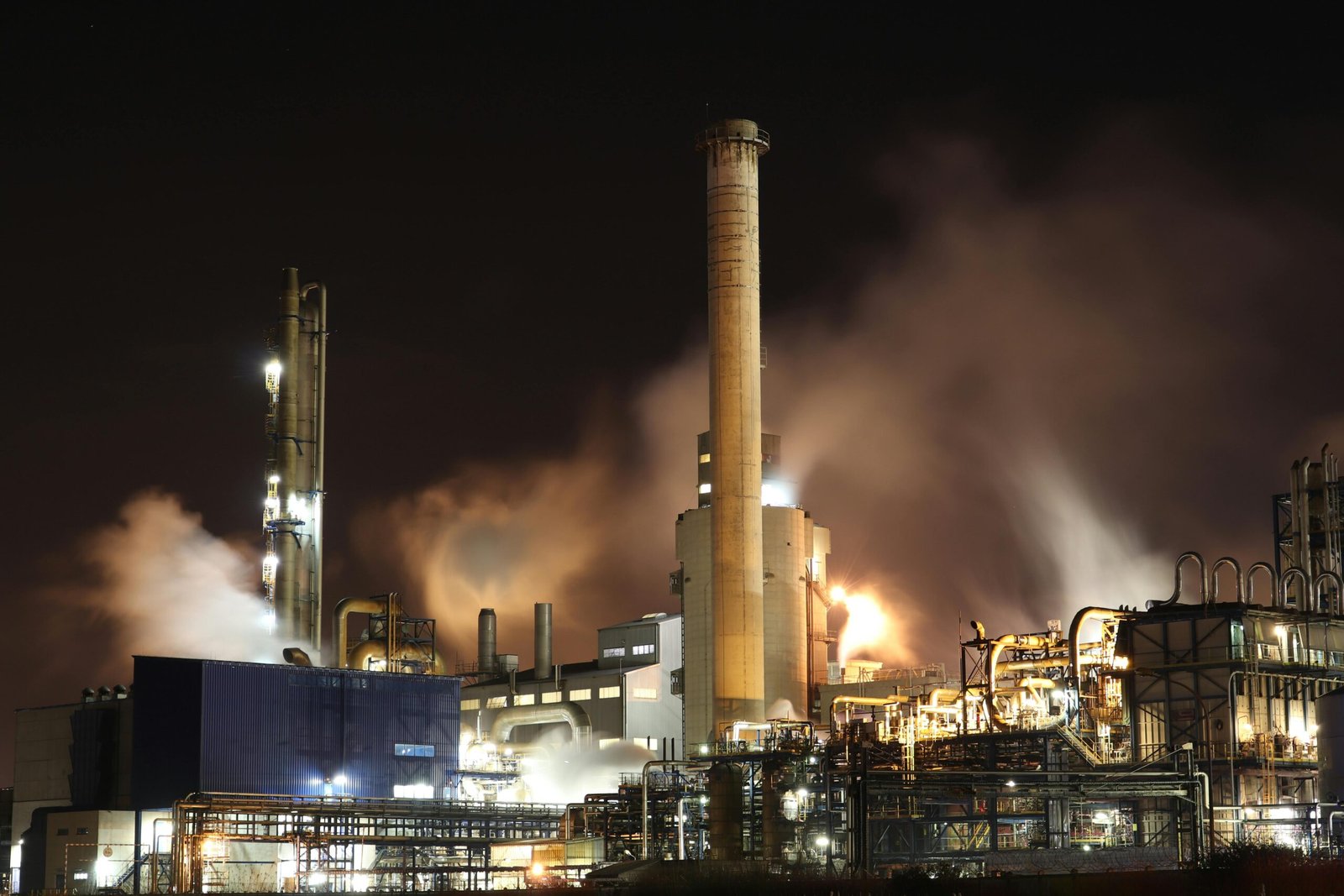
Dangote Petroleum Refinery, Africa’s largest single-train refinery, has implemented a dynamic pricing mechanism that has reduced Premium Motor Spirit (PMS) prices by 8% to ₦720 per litre in March 2026, marking a significant shift in Nigeria’s fuel pricing landscape since the facility achieved full operational capacity.
The 650,000 barrels-per-day refinery, which now supplies approximately 60% of Nigeria’s refined petroleum products, has leveraged its operational efficiency and reduced transportation costs to offer competitive pricing compared to imported fuel, according to data from the Nigerian National Petroleum Company Limited (NNPCL).
Market Impact and Supply Dynamics
The refinery’s pricing strategy has created ripple effects across Nigeria’s downstream petroleum sector. Independent marketers report that Dangote’s consistent supply has reduced their reliance on imported products by 45%, while the Nigerian Midstream and Downstream Petroleum Regulatory Authority (NMDPRA) data shows national fuel queues have decreased by 70% compared to pre-refinery operations.
Kola Karim, CEO of Shoreline Natural Resources, noted that “Dangote’s pricing transparency and reliable supply have fundamentally altered our procurement strategies, allowing us to plan inventory more effectively and reduce operational costs.”
The refinery’s ability to process Nigerian crude oil grades, particularly Bonny Light and Forcados, has eliminated the previous inefficiency of exporting crude oil only to import refined products at higher costs. This integration has saved Nigeria an estimated $2.3 billion in foreign exchange reserves over the past eight months, according to Central Bank of Nigeria (CBN) data.
Regional Competitive Positioning
Dangote’s pricing model has positioned Nigeria as a potential net exporter of refined petroleum products within the Economic Community of West African States (ECOWAS) region. Ghana, Benin Republic, and Togo have signed preliminary agreements to import refined products from the Lagos-based facility, with prices offered 12-15% below international benchmarks.
The African Development Bank (AfDB) projects that regional petroleum product trade could increase by $4.2 billion annually if Dangote maintains competitive pricing while expanding export capacity. This development supports the African Continental Free Trade Area (AfCFTA) objectives of increasing intra-African trade in value-added products.
Regulatory Environment and Policy Implications
The Nigerian government’s deregulation policy, implemented in 2023, has allowed market forces to determine fuel prices, creating space for Dangote’s competitive pricing strategy. However, the Federal Executive Council is monitoring pricing patterns to ensure consumer protection while maintaining investment incentives for local refineries.
Dr. Farouk Ahmed, NMDPRA Chief Executive, emphasized that “the regulator’s role has evolved from price control to ensuring fair market competition and maintaining product quality standards across all market participants.”
The refinery’s pricing decisions are influenced by multiple factors including crude oil procurement costs, operational expenses, government taxes, and targeted profit margins. Industry analysis suggests Dangote maintains a 15-18% gross margin on refined products, comparable to international standards.
Economic and Employment Effects
The refinery’s operations have generated direct employment for 11,500 Nigerians and indirect employment for approximately 45,000 workers across the value chain. The multiplier effect includes transportation, logistics, maintenance services, and downstream retail operations.
Lagos State government data indicates that the refinery’s operations contribute ₦180 billion annually to state revenues through various taxes and levies, while reducing the burden on Nigeria’s foreign exchange reserves previously used for petroleum product imports.
Future Market Outlook
Industry projections suggest that if Dangote maintains current pricing competitiveness while expanding production to include petrochemicals and other derivatives, Nigeria could achieve net petroleum product export status by late 2026. This transformation would represent a fundamental shift for Africa’s most populous nation, historically dependent on fuel imports despite being a major crude oil producer.
The success of Dangote’s pricing strategy may influence investment decisions for other proposed refineries across Africa, including projects in Angola, Algeria, and South Africa. Regional energy security and pricing stability will likely depend on the sustainable operation of large-scale refineries like Dangote’s facility, positioning Nigeria as a potential energy hub for West Africa.


