

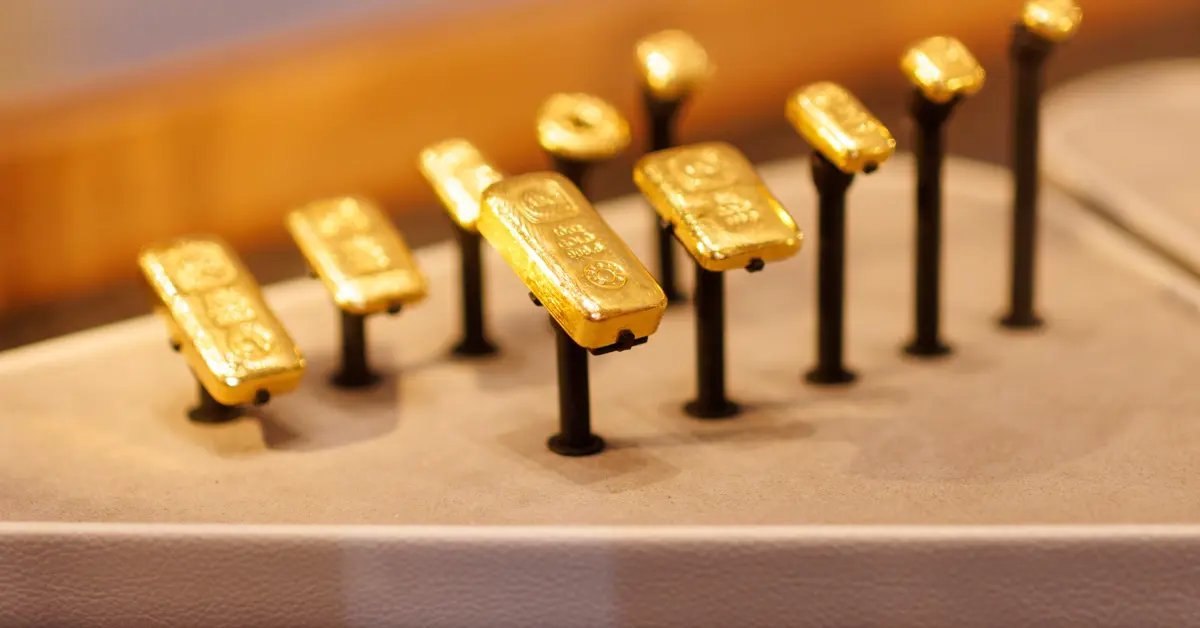
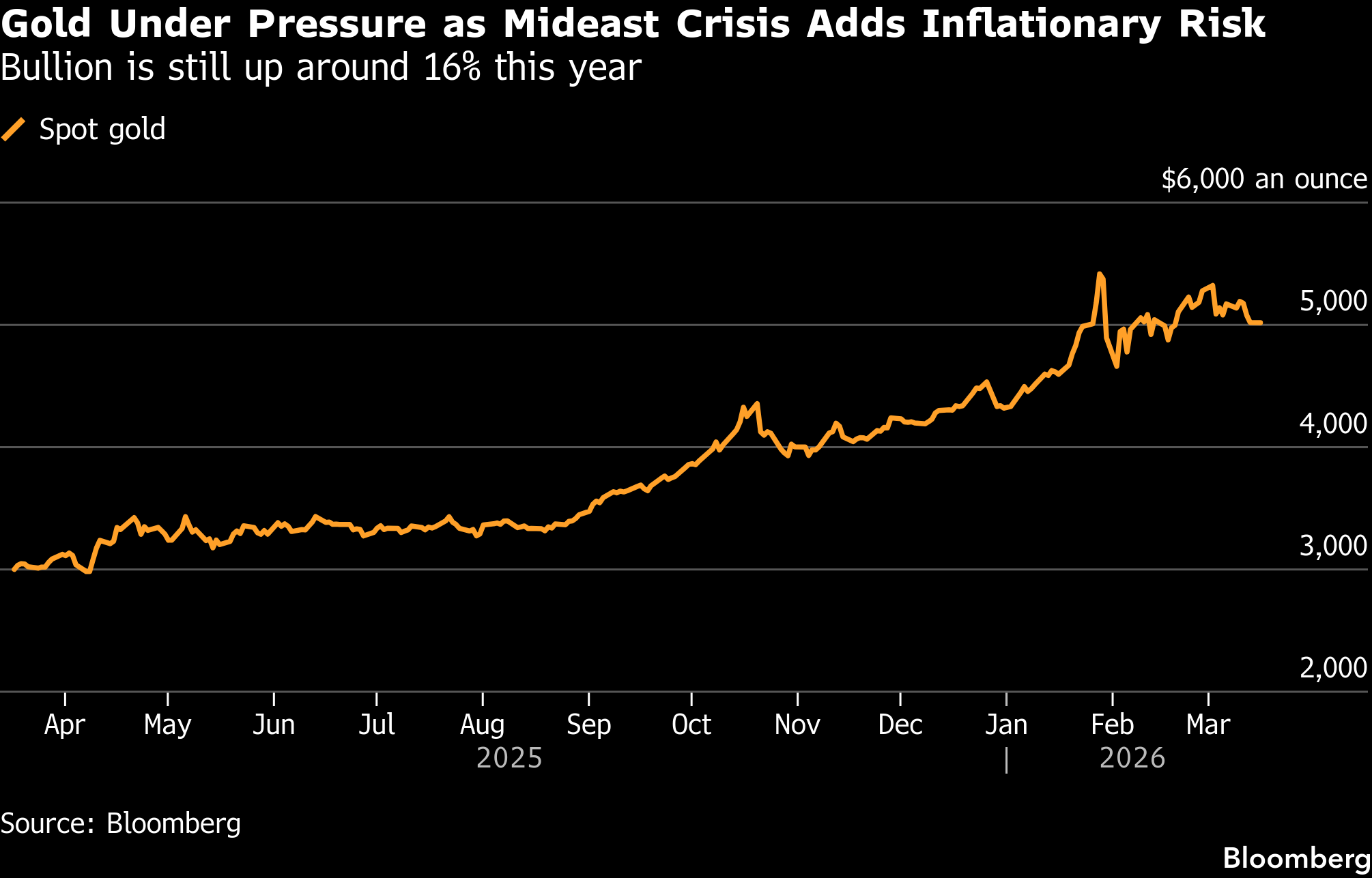
(Bloomberg) — Gold slipped below $5,000 an ounce, as the conflict in the Middle East entered a third week and investors weighed the inflationary impact of higher oil prices.
Bullion edged lower, following two consecutive weeks of losses. Rising oil prices and inflationary concerns arising from the US-Israel war with Iran have put the metal under pressure, raising the prospect of fewer Federal Reserve interest rate cuts. Crude fluctuated above $100 a barrel on Monday.
Uncertainty over how long the war will last makes it difficult to assess the impact on markets and the wider economy. An aide to US President Donald Trump said the conflict could last four to six weeks, while both sides have given mixed signals. Trump said Iran wants to make a deal but that Washington wants better terms, while Tehran said it hasn’t asked for talks or a ceasefire.
Over the weekend, the US attacked Iran’s main oil-export hub and Tehran continued strikes on energy infrastructure in various countries around the Persian Gulf. Shipping remained near a standstill through the Strait of Hormuz, the strategic waterway through which a fifth of the world’s oil and liquefied natural gas typically moves.
As the war drags on, prospects for an interest-rate cut have dwindled. The latest US consumer spending data, released Friday, showed spending barely rose in January due to weaker-than-expected economic growth, even before the war began. Meanwhile, US consumer sentiment declined to a three-month low as fears mounted in recent weeks about the impact on gasoline prices from the conflict.
Traders now see virtually no chance of a rate cut at this week’s Fed meeting. Higher borrowing costs typically weigh on precious metals, which don’t pay interest.
Though upward momentum has stalled, the metal has still gained more than 15% this year. Concerns over stagflation — a combination of slower growth and high inflation — may push investors toward gold as a better store of value over the longer term.
“Gold is more of a hedge against the wider impact of conflicts, rather than direct wartime threats,”UBS Global Wealth Management wrote in a note Monday. While higher energy prices and inflation have weighed on the metal, “gold primarily insulates against monetary risks like currency devaluation, rising deficits, and economic slowdowns, which can result from geopolitical conflicts,” the analysts wrote.
Spot gold fell 0.6% to $5,987.11 an ounce as of 9:24 a.m. in London. Silver fell 2.2% to $78.79. Platinum gained, and palladium was steady. The Bloomberg Dollar Spot Index slipped 0.2% after adding more than 1% last week.
©2026 Bloomberg L.P.


