

Speaking to delegates from across Africa and beyond, Dr. Nsengiyumva described the government’s long-term commitment to building resilient digital infrastructure as central to expanding financial access.
He said decades of investment in modern networks have brought 4G coverage to most citizens and enabled widespread digitisation of public services, including through platforms such as IremboGov, helping to make state services more efficient and transparent.
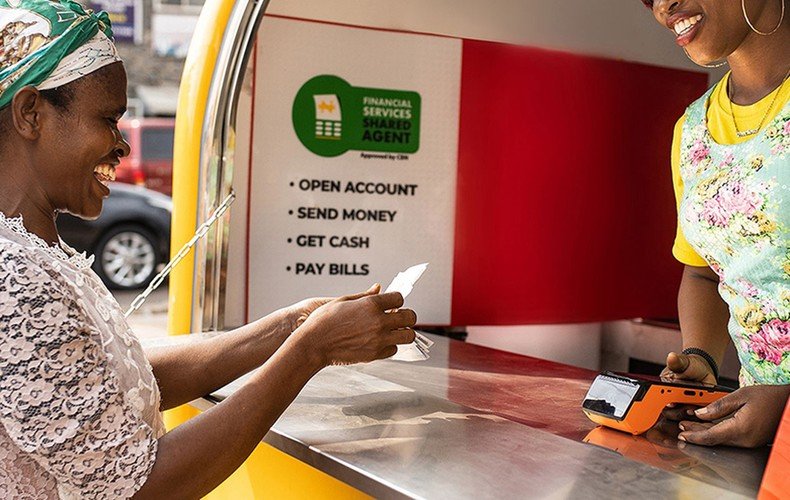
Dr. Nsengiyumva pointed to significant growth in digital payment use across both the formal and informal business sectors. He said that rural farmers can now receive instant payments on their mobile phones and young entrepreneurs can secure loans without visiting a bank branch, widening financial reach across the economy. He said this has helped bring roughly 92 percent of adults into the financial system, with a further 96 percent reached through banking or mobile money interfaces in 2024.
“Our goal is to create an even more conducive environment for innovation and investment,” he told attendees, announcing plans for new digital asset legislation aimed at giving both investors and consumers greater confidence as emerging financial technologies take hold.
At the same forum, Soraya Hakuziyaremye, governor of the National Bank of Rwanda, noted that financial inclusion had grown from just 21 percent in 2008 to more than 90 percent today, underlining the scale of change over the past decade.
African regulators urged to cooperate as digital finance reshapes the continent’s economy
She stressed the importance of cooperation among African financial regulators to share technology and expertise, and to protect national currencies.
“Digital money, advanced payments, and financial intelligence are no longer concepts,” she said, “they are transforming how we transfer funds, invest, and regulate financial institutions globally.”
Officials also acknowledged ongoing challenges, including high capital costs, expensive cross-border transactions, and regulatory inconsistencies that still limit full inclusion across the continent.
Dr. Nsengiyumva said that initiatives like the African Continental Free Trade Area will require strong commitment from governments and industry to support broader economic integration.
Data shared at the forum showed that more than 75 percent of Rwandan adults currently hold bank accounts, up sharply from around 25 percent a decade ago, highlighting the rapid adoption of formal financial services as digital platforms have expanded.


