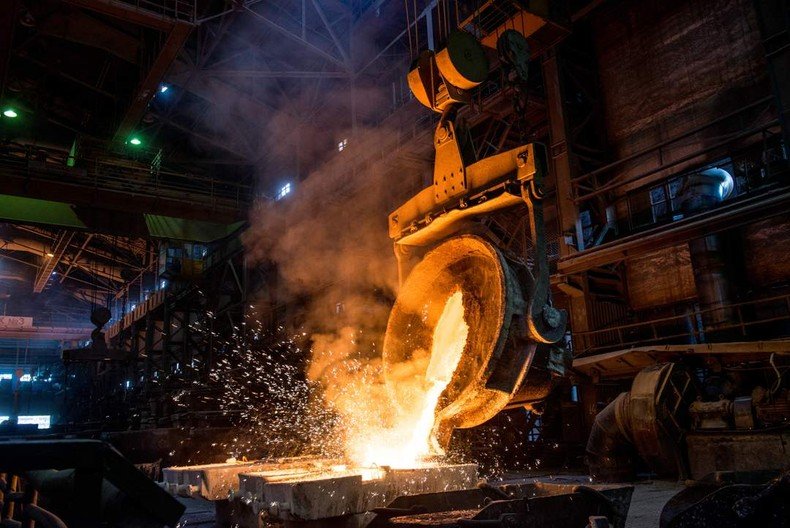
The company has issued a retrenchment notice under Section 189 of South Africa’s Labour Relations Act, beginning a formal consultation process that could lead to layoffs across its smelting operations and corporate offices according to a report by Mining Weekly.
Samancor employs about 2,403 people across its smelters and head office, meaning the restructuring could affect nearly its entire workforce.
The potential job cuts would impact six smelting operations: Dikwena Chrome, Ferrometals, Middelburg Ferrochrome, TC Smelter, Tubatse Alloy, and Tubatse Ferrochrome, in addition to corporate offices.
According to the company, every position – from entry-level to senior staff, could potentially be affected as it attempts to restructure the business.
The firm cited unsustainable operational expenses, particularly the cost of running energy-intensive smelters that have not been operating at full capacity over the past year.

Power costs and global pressures strain South African industry
Power tariffs from state utility Eskom have surged over the past decade, making energy-intensive industries increasingly difficult to run profitably.
The company said it had already implemented several cost-cutting measures to avoid layoffs, including terminating contractors, freezing wage increases for some employees, suspending performance bonuses, limiting overtime, and halting certain training programmes.
South Africa’s industrial sector is also facing mounting global pressures. Recent U.S. tariff increases on steel and related metals under President Donald Trump have complicated trade for exporters and intensified competition in global markets.
While ferrochrome itself is not always directly targeted, the broader disruption to steel supply chains has added uncertainty for companies linked to the sector.
High energy costs, weaker global demand, and trade tensions are combining to squeeze margins in one of Africa’s most industrialized economies.
Samancor emphasized that no final decision has been made and that the company will consult with workers and unions during a minimum 60-day consultation period before determining the outcome of the restructuring process.