

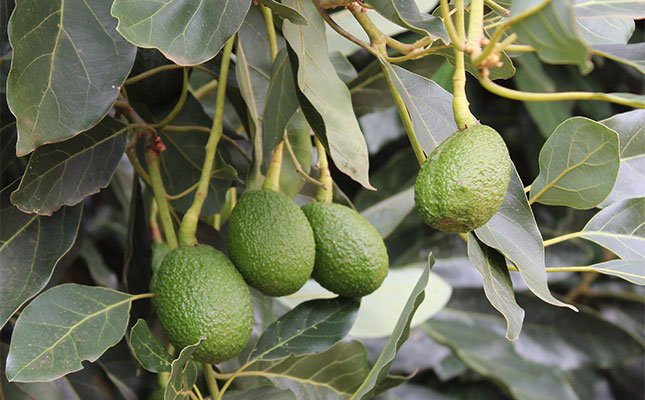
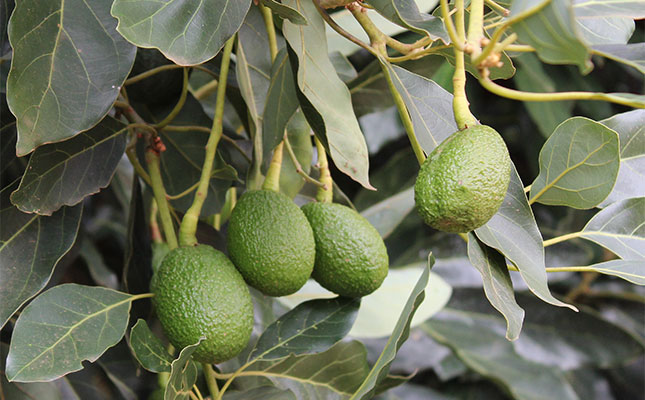
The South African avocado industry entered its main harvesting season in March and is expecting a significantly larger crop, but stronger competition from Peru in key export markets is likely to temper optimism.


– ADVERTISEMENT –
Higher production, combined with mounting logistical risks at the Port of Cape Town, means the season could test the avocado industry’s ability to secure profitable markets for its fruit.
Speaking to Farmer’s Weekly, Derek Donkin, CEO of Subtrop, said 19 million 4kg cartons were exported in 2025. This is expected to jump to 22 million 4kg cartons this year as the alternate-bearing trees experience an ‘on’ year and younger trees come into production.
The wet and cool weather at the start of the summer has also resulted in bigger fruit sizes.
While volumes paint a rosy picture this year, market conditions are less positive, as South Africa faces significant competition in all its key export markets.
“Peru is also expecting a bigger crop so, despite market growth in Europe, it will not be an easy season for those whose volumes coincide with Peru’s. Early and late varieties are expected to fare better,” Donkin explained.
Zac Bard, new sourcing strategy director at Westfalia, told Farmer’s Weekly that he is cautiously optimistic about the upcoming season.
“There should be opportunities to obtain good prices in the market before Peru sends its significant avocado volumes. The Mediterranean origins are shipping much less than expected in our early season, following recent heavy winds and flooding in the region, which creates a good market opportunity for the South African industry.”
He noted that when Peru, South Africa’s biggest competitor in the market, is active, the market will most likely come under greater pressure.
“Very recently, there have been signs of a possible El Niño developing in Peru, which could, if it materialises, change the game somewhat. Time will tell.”
The biggest challenge facing the industry is oversupply in the European market. Bard said Peru, the largest supplier to Europe, maintains a strong market presence from May through late August, a window that directly overlaps with South Africa’s export season.
“Securing the best possible market outlets and achieving sustainable prices during this period can be challenging, particularly given the competitive volumes in circulation. However, this pressure is not unique to South Africa; the Peruvian industry faces similar constraints during peak supply.”
Bard added that significant operational challenges, particularly at the Port of Cape Town, pose substantial risks to the industry.
“Avocados are highly perishable, and the industry is largely dependent on export markets for Class 1 fruit,” he said.
“South Africa relies almost entirely on the efficiency of its port operations to move fruit to international destinations. Unfortunately, there are very limited alternative logistical solutions available, increasing the vulnerability of exporters during an already competitive market window.”
Room for growth
While the European market faces oversupply during the Northern Hemisphere summer months, Bard believes there is room to grow consumption.
“The European avocado market continues to show very healthy year-on-year growth. Over the past four years, most of the growth in the global avocado market has come from Europe,” he explained.
“Even more mature avocado markets in Europe, such as the UK and France, still show healthy growth, while newer growth markets such as Germany, Italy, and Eastern Europe are showing remarkable growth.”
Bard noted that Europe’s per capita average consumption is just below 2kg, which means there is plenty of scope for further growth.
“However, rapid increases in plantings in Peru have led to a sharp rise in supply, resulting in large volumes from May through August. The World Avocado Organisation has strategically arranged promotions during this time, but there is only so much a market can grow year-on-year.”
Bard anticipates that over the next four years, these production increases will gradually correct themselves as market growth starts to catch up with global supply and new Asian markets gain traction.
Expanding into eastern markets
For the South African industry, new diversification opportunities are emerging. In 2023, the country secured market access for avocados to China. Although China is currently a relatively small market compared to Europe, Bard said it offers significant long-term potential.
“Realising this opportunity will require sustained investment in marketing and consumer education to build demand and make avocados part of everyday Chinese cuisine.”
Donkin noted that Peruvian competition in this market is also challenging: “The Chinese market is small and it can easily be oversupplied by Peru. South Africa gaining access to China is good news, but this market requires much development to make it work for us.”
In 2024, the Indian market opened to South African avocados. However, a 30% customs duty presents a significant competitive challenge, particularly as many East African suppliers, such as those in Tanzania, are exempt from this tariff.
Donkin said the Tanzanian industry presents significant competition for South Africa, adding: “It is important that we keep working with government to negotiate a more favourable trade deal with India.”
Despite this obstacle, the Indian market is expanding rapidly. Bard said that should improved trade terms be negotiated, India has the potential to become a strategically important destination for the South African avocado industry in the years ahead.
A further opportunity could come from South Korea, and Donkin said the process to gain access to this market will start this year.
Although the industry is primarily export-focused, around 25% is sold on the domestic market, while a further 15% is directed into processing for products such as avocado oil and guacamole.
Bard said the local market continues to show steady growth, particularly in the ‘ripe and ready’ category aimed at convenience-driven consumers.
Moving into the season, Bard advised farmers to remain fully informed about weekly market developments and to understand which marketing strategy is best suited to their specific farm or production region.
“Avocados have the advantage of being able to remain on the tree for a certain period, providing a degree of flexibility in harvest timing. If logistical constraints or unfavourable market conditions arise, exporters should work closely with growers to adjust harvesting and marketing plans to achieve the best possible outcome,” he added.



