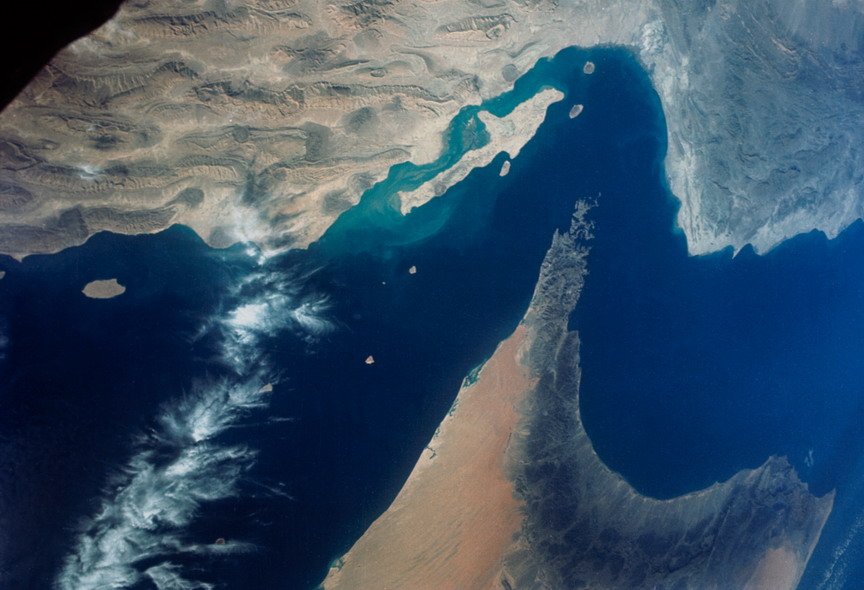

The Persian Gulf has plunged into crisis following U.S. and Israeli strikes on Iran on the last day of February 2026.
Iran’s retaliatory missile and drone attacks, coupled with threats from the Revolutionary Guard Corps to burn ships, have effectively closed the Strait of Hormuz, the world’s most critical energy corridor through which approximately 20% of global oil and gas flows.
Much of it to India and China.
In the first week of March, only a handful of vessels dared cross, some disguising ownership to evade targeting. Several ships have been struck, including the Malta-flagged Safeen Prestige in the Arabian Sea, while three tankers were damaged and at least four seafarers killed.
China, which relies on Hormuz for nearly half its oil imports, is negotiating with Tehran to secure safe passage for crude and Qatari LNG shipments.
One vessel, the dry bulker Iron Maiden (IMO 9691149), reportedly altered registry markings to appear Chinese-owned to slip through. These talks underscore Beijing’s leverage as Iran’s largest oil customer, but the strait remains largely shut.
The closure has stranded 138 container ships with nearly half a million TEU capacity inside the Gulf. MSC and CMA CGM are among the hardest hit, while carriers impose war risk surcharges of up to $3,000 per FEU and re-route via the Cape of Good Hope.
Insurance firms have withdrawn coverage, further inflating costs. Energy markets reel: India, dependent on Gulf imports, faces inflation and currency risks, while Gulf states confront food security challenges as imports stall.
The crisis has also morphed into a humanitarian emergency. The IMO estimates 20,000 seafarers and 15,000 cruise passengers are stranded.
Cruise lines including MSC, TUI, and Celestyal have launched mass evacuations, chartering flights from Dubai, Doha, and Muscat. Thousands have been repatriated, but airspace closures have delayed operations, leaving many passengers still aboard docked vessels.
Strategically, the Strait of Hormuz carries one-fifth of global oil shipments. Its closure reverberates across energy and trade markets, raising insurance premiums, re-routing traffic, and threatening food supplies.
While the U.S. has proposed naval escorts and risk insurance, analysts caution against the immense logistical and military risks. Some reports suggest Iran may pause attacks, but the situation remains fluid.
In sum, the Persian Gulf shipping crisis is both a geopolitical flashpoint and a humanitarian emergency. With energy flows disrupted, vessels trapped, and thousands stranded, the world watches anxiously as China presses Iran for concessions and global carriers scramble to adapt.
The Strait of Hormuz, once a vital artery of trade, now stands as the epicenter of a war that threatens global stability.
Written by Terry Hutson for Africa Ports & Ships and republished with permission. The original article can be found here.