At the recent Permit Advisory Forum (PAF) in February, the City of Cape Town presented the latest operational performance and environmental monitoring results for the marine outfalls at Camps Bay, Green Point and Hout Bay. The findings show that the outfalls continue to operate reliably and largely within the Coastal Water Discharge Permit conditions, with the surrounding coastal waters remaining suitable for recreational use.
Coastal water quality remains within guideline limits
Between July 2025 and January 2026, 1 107 seawater samples were collected around the three outfalls as part of the City’s receiving environment monitoring programme. Only nine samples (0,8%) exceeded the single-sample guideline for enterococci bacteria. Most exceedances were recorded within the defined mixing zones close to the outfalls, where occasional exceedances are expected. Ninety-nine percent of 1107 seawater samples were within limits, which re-affirms extremely rapid assimilation and dispersion of the wastewater as per the intended design and functioning of the outfall.
Effluent compliance remains high
Internal City laboratory results and independently audited external laboratory results show strong overall compliance with permit limits:
- Camps Bay: 86,6% (City samples), 93,9% (Auditor samples)
- Green Point: 82,6% (City samples), 98,6 (Auditor samples)
- Hout Bay: 98,0% (City samples), 100% (Auditor samples)
Where occasional exceedances were recorded, these related mainly to certain metals and suspended solids. The City has formally queried some of the metal limits with the Department of Forestry, Fisheries and the Environment as part of the current permit appeals process, noting inconsistencies between discharge permit limits and national guidelines.
Operational integrity and pipeline condition
All three outfalls remained operational during the reporting period, with no environmental incidents recorded. Routine inspections confirmed that the pipelines remain structurally sound and fit for purpose:
- Camps Bay: Pipeline remains structurally sound, with corrosion limited to sacrificial layers as designed.
- Green Point: Outfall remains fully operational, with increased marine growth noted and routine cleaning recommended for some diffusers.
- Hout Bay: Pipeline operating as intended; minor diffuser repairs and increased routine maintenance recommended.
In order to address the recommendations made, specialist contractors will undertake high-pressure cleaning of diffusers at Camps Bay, Hout Bay and Green Point. In addition, diffuser repairs at Hout Bay will be undertaken, and this work is expected to occur during the second half of 2026.
‘We acknowledge the public concern around marine outfalls, which is why we continue to invest in rigorous monitoring and a phased upgrade programme. While the current results show strong compliance and no significant marine environmental impacts, we are not standing still.
‘The refurbishment of pump stations and the longer-term treatment upgrades under investigation form part of our commitment to continuously improve environmental performance and protect our coastline for future generations,’ said the City’s Mayoral Committee Member for Water and Sanitation, Councillor Zahid Badroodien.
Refurbishment programme under way
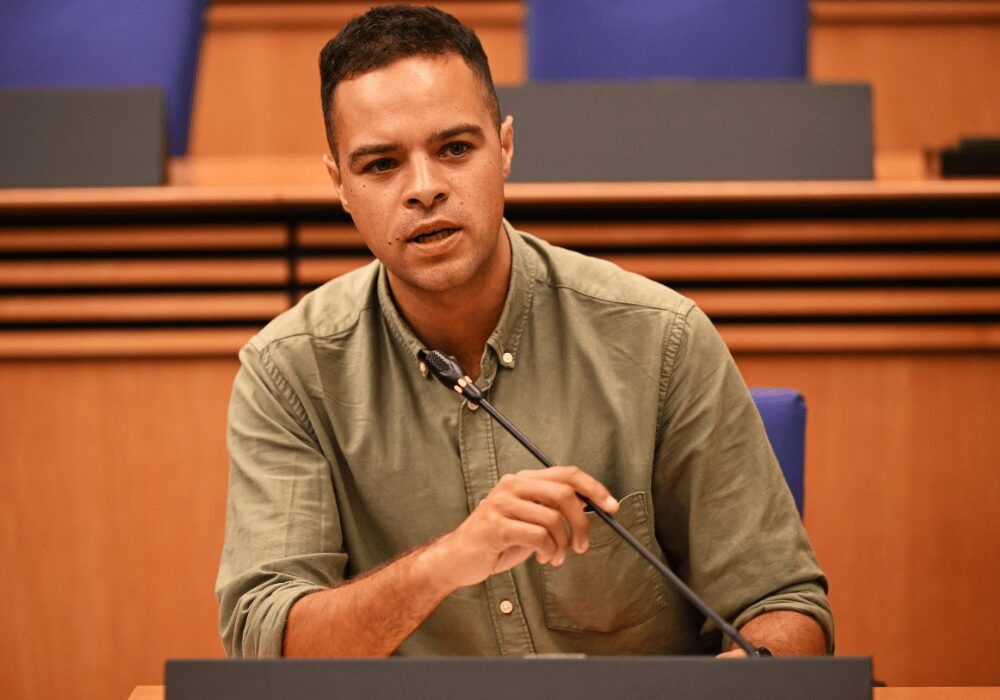
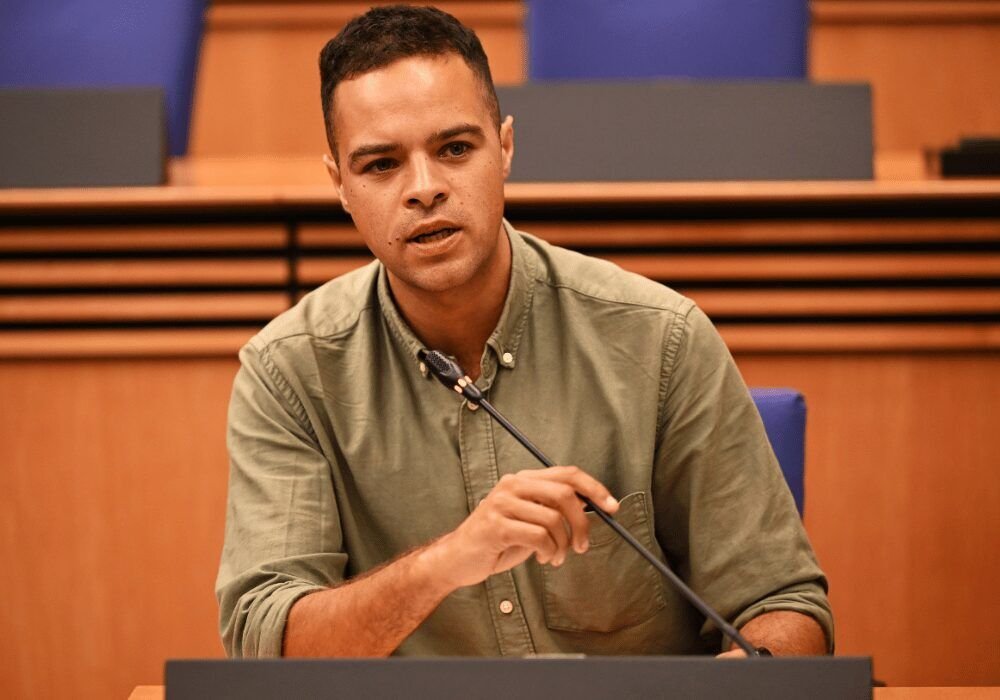
Councillor Alex Lansdowne, Deputy Chairperson of the Section 80 Advisory Committee, facilitating the Permit Advisory Forum on marine outfalls on 20 February 2026.
Short-term (2025 – 2028)
The short-term refurbishment of all three marine outfall pump stations is progressing following the award of the Design-and-Build contract in January 2026, with completion scheduled for December 2027. The upgrades include:

- Improved course and fine screening systems
- Odour control, ventilation and fire protection
- Refurbishment or replacement of pumps
- Modernised electrical, control, monitoring and security systems
These improvements will enhance reliability, improve screening removal and reduce odour impacts at the pump stations.
Medium- and long-term improvements under feasibility
Feasibility studies for medium- and long-term upgrades are well advanced with scoping completed and feasibility at 70% completed. The implementation of these solutions remains subject to the outcomes of feasibility studies, environmental authorisations and budget availability.
Medium term:
- Phase 1A: Design, construction and implementation of a primary clarification step (via Primary Settling Tanks), with Elutriation thickening (fermentation process), and upgraded inlet works.
- Phase 1B: Addition of sludge management (dewatering).
Long term (and 2B):
More than 60 long-term treatment options have already been narrowed down to nine viable scenarios, with a decision-support tool being developed to refine these further.
- Phase 2A: Design, construction and implementation of full-scale, comprehensive biological treatment.
- Phase 2B: Addition of advanced treatment train (for CEC removal).
‘The Permit Advisory Forum plays an important role in providing transparency and oversight on how the City manages its marine outfalls. The latest results show that the systems are operating largely within permit requirements and that coastal water quality remains suitable for recreational use. This kind of regular, independent reporting is critical to building public confidence and ensuring that the City remains accountable,’ said Councillor Alex Lansdowne, Deputy Chairperson of the Section 80 Advisory Committee.