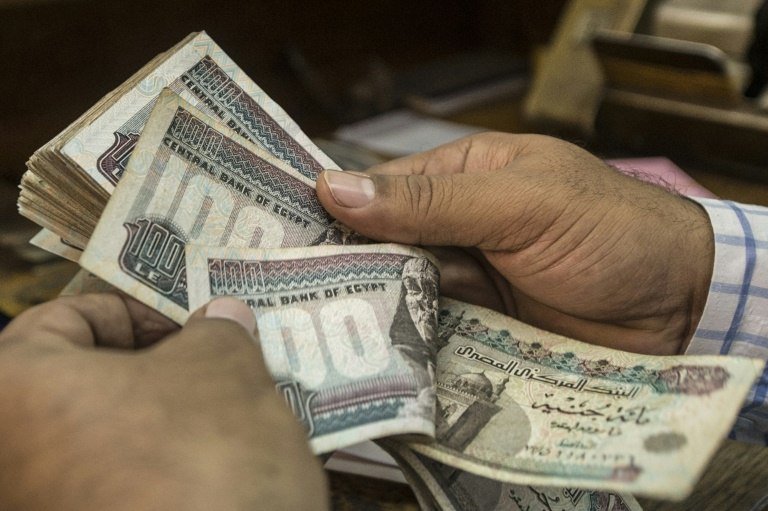
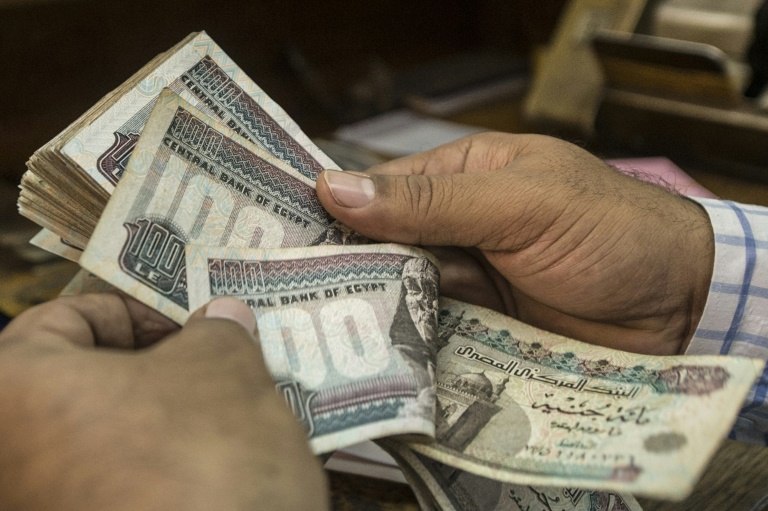
This jump happened because of three main reasons: fresh investments from Gulf countries, last year’s big change in the value of the Egyptian pound, and record amounts of money sent home by Egyptians working abroad.
In December alone, these remittances (money sent home by workers abroad) hit a new monthly high of $4 billion. For the whole of 2025, the total reached $41.5 billion, a sharp rise from $29.6 billion in 2024. Figures for January 2026 are not out yet.
The extra dollars mostly went to commercial banks, whose foreign assets grew by about $1.67 billion. The central bank’s own foreign assets stayed almost unchanged. At the same time, foreign debts fell for both the central bank and the commercial banks.
This is a big turnaround. Egypt’s net foreign assets had turned negative in February 2022, when the central bank was using its dollars to defend the pound against the stronger US dollar. The figure only moved back into positive territory in May 2024.
The change came after the government let the pound float freely in March 2024, which made it weaker and helped attract more dollars. Earlier steps included a 45% devaluation in 2016 as part of wider reforms that cut subsidies, raised taxes and aimed to speed up growth. There was also a 40% devaluation in January 2023.
The good news keeps coming. At the end of February, Egypt received about $2.3 billion in fresh funding from the International Monetary Fund after completing important checks on its reform programme. This extra support arrives at a time when the country faces tensions in the region and ups and downs in world markets.
Analysts say the record foreign assets give Egypt a stronger cushion to pay for imports, service its debts and keep the economy stable.