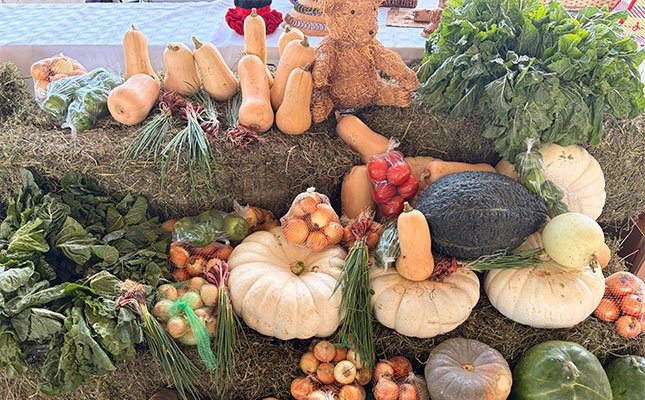
The Eastern Cape Department of Agriculture hosted its fourth agricultural show on 17 February in Gqeberha, uniting farmers from the Nelson Mandela Bay Metro and Sarah Baartman District Municipalities.

– ADVERTISEMENT –
The event formed part of a provincial initiative to revive the once-renowned agricultural shows, providing smallholder farmers with a platform to showcase their produce, gain market access, and explore commercial opportunities.
A showcase of farming diversity
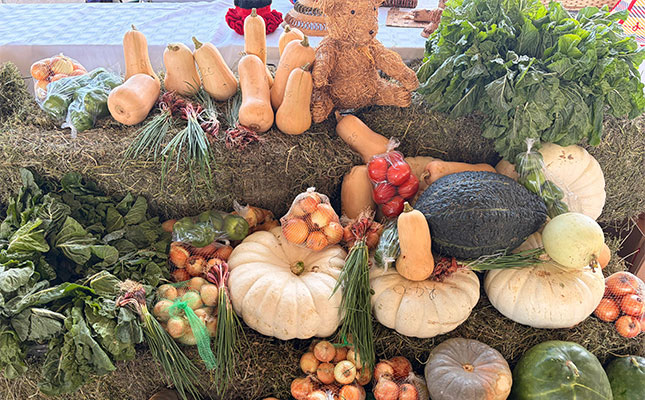
Farmers and co-operatives exhibited a wide range of produce, from fresh vegetables, poultry, and herbs to artisanal clothing. The show reflected both the diversity of agricultural activity in the province and the entrepreneurial spirit of its small-scale farmers.
The agricultural shows, traditionally focused on product quality and category-based judging, have been reimagined with a renewed emphasis on commercial growth. Farmers are now encouraged to not only grow for personal consumption, but to expand their operations and develop sustainable business venture.
Eastern Cape MEC for Agriculture, Nonceba Kontsiwe, told Farmer’s Weekly: “Most of the farmers here are supported by the department. We wanted them to not only produce for their own consumption, but to grow their operations and join the business.
By creating opportunities to compete and network, they are becoming business people while fighting poverty. We encourage others to work the land, produce, and even venture into clothing. If your plate is full, you must thank the farmer,” she said.
Creating opportunities for market access
A central focus of the show was to connect smallholder farmers directly with buyers and industry players. The presence of major buyers allowed farmers to understand market trends and requirements, while giving suppliers insight into the potential of small-scale enterprises.
Nelson Mandela Bay Municipality’s member of the Mayoral Committee (MMC) for Economic Development, Tourism and Agriculture, Cllr Bassie Kamana, explained the practical measures taken to ensure both security and accessibility at the show.
“Safety was a key concern, so we employed private security to ensure a secure environment. This also made it easier for buyers and suppliers to access the market and engage directly with smallholder farmers. Creating an enabling environment is essential if these events are to serve as a bridge between producers and the wider market,” said Kamana.
Small businesses reap the rewards
For participants, the show provided not just exposure, but tangible business opportunities. Pumza Dolo, a backyard farmer and CEO of Chef Ginger, said her first experience at the Gqeberha show was transformative. Dolo grows herbs and spices to produce nutritional drinks and herbal products.
“It was my first time participating in something like this, and immediately I felt I belonged. People were genuinely interested in my products, and I ran out of stock quickly. My message to young people is: fear is just false evidence which appears real. Start with what you have, even a small backyard, and grow from there. Opportunities are out there if you take the first step,” she said.
Promoting rural development and job creation
MMC Kontsiwe further mentioned that the agricultural shows are not only about market access, but part of a broader strategy to promote rural development and reduce unemployment. By encouraging smallholder farmers to become commercial operators, the Department of Agriculture aims to stimulate local economies, create jobs, and reduce dependency on government assistance.
“Instead of looking for jobs, farmers are creating jobs in their own communities. This is the essence of rural economic empowerment. We want to encourage young people and others to engage in agriculture and develop commercial ventures that benefit entire communities,” she said.
Get trusted farming news from Farmers Weekly in Google Top Stories.
➕ Add Farmers Weekly to Google
✔ Takes 10 seconds · ✔ Remove anytime