• Business
  • Markets
  • Politics
  • Crypto
  • Finance
  • Intelligence
    • Policy Intelligence
    • Security Intelligence
    • Economic Intelligence
    • Fashion Intelligence
  • Energy
  • Technology
  • Taxes
  • Creator Economy
  • Wealth Management
  • LBNN Blueprints
  • Business
  • Markets
  • Politics
  • Crypto
  • Finance
  • Intelligence
    • Policy Intelligence
    • Security Intelligence
    • Economic Intelligence
    • Fashion Intelligence
  • Energy
  • Technology
  • Taxes
  • Creator Economy
  • Wealth Management
  • LBNN Blueprints

The Supreme Court’s Tariff Ruling Won’t Bring Car Prices Back to Earth

Simon Osuji by Simon Osuji
February 21, 2026
in Artificial Intelligence
0
The Supreme Court’s Tariff Ruling Won’t Bring Car Prices Back to Earth
0
SHARES
1
VIEWS
Share on FacebookShare on Twitter


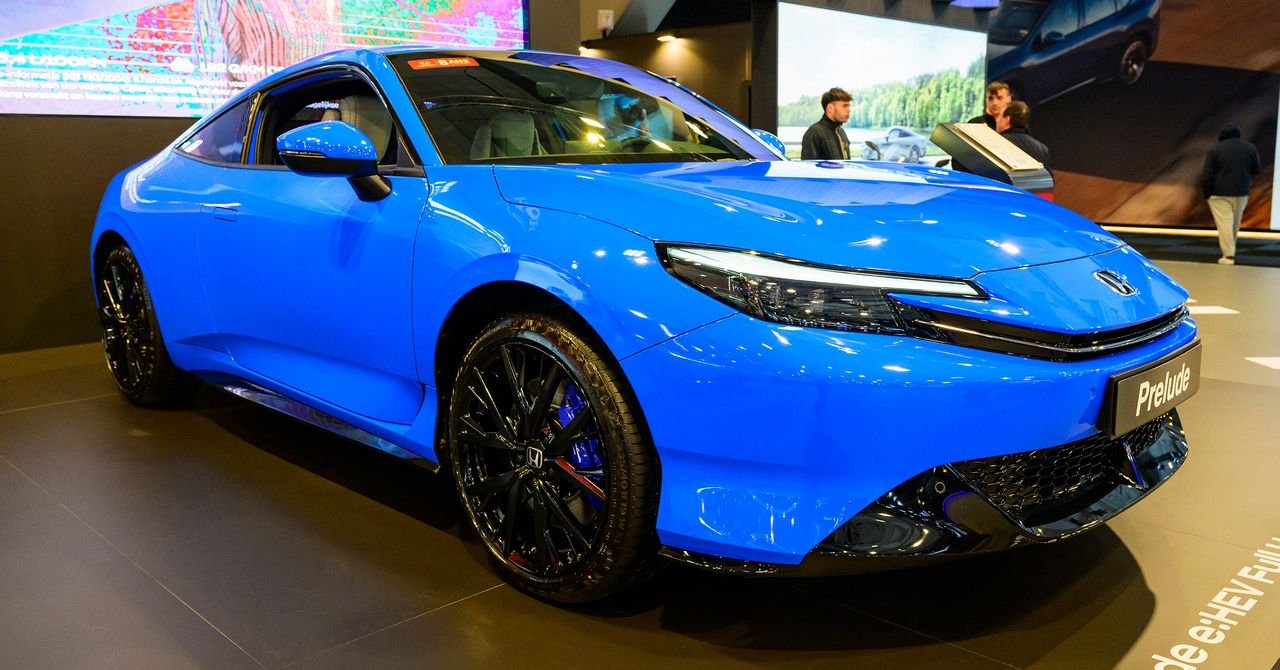
It has never been more expensive to buy a new car. The average transaction price last month for buyers in the United States was $48,576, up nearly a third from 2019, according to Edmunds. The “affordable” car—$20,000 or less—is dead.

The high prices have been pinned on plenty of economic dynamics: lingering pandemic-era supply-chain issues, the introduction of expensive technology into everyday cars, higher labor and raw materials costs, and new tariffs by the Trump administration affecting imported steel, aluminum, and cars themselves.

Now, despite a US Supreme Court ruling that will nix some of those Trump tariffs, car buyers will likely get no respite.

“The core cost structure facing the auto industry hasn’t fundamentally changed overnight,” writes Jessica Caldwell, Edmunds’ head of insights, in an emailed statement. Put more simply: Cheaper cars aren’t coming, at least not because of this ruling.

The Supreme Court’s decision gets in the way of the president’s power to use the International Emergency Economic Power Act to levy tariffs in response to emergencies. Trump used this power to apply tariffs to countries around the globe, the emergency being “large and persistent” trade deficits. The administration applied other new duties on Canada, China, and Mexico because of what it called emergencies related to the flow of migrants and drugs into the United States.

But most of the tariffs that affect the auto industry come from another law, section 232 of the Trade Expansion Act. That provision can apply to imports that “threaten to impair” the country’s national security. Tariffs on steel, aluminum, copper—key raw materials for cars—and imported auto parts and vehicles themselves came under this provision and are still in effect. This includes 15 percent tariffs on cars built in Europe, Japan, and South Korea.

Automakers have actually done an OK job shielding consumers from the effects of tariffs, Caldwell says. Even as retailers have blamed tariffs for steadily rising prices of consumer goods like electronics and appliances, car prices are up just 1 percent since this time last year, the firm’s data shows. But as the tariff regime drags on, that could change in ways that make new-car buyers even less happy.

“If cost pressures continue to build, automakers may have less room to shield shoppers from higher prices,” Caldwell says, “but for now, the broader market impact is still playing out.”



Source link

Related posts

Trump Imposes New Tariffs to Sidestep Supreme Court Ruling

Trump Imposes New Tariffs to Sidestep Supreme Court Ruling

February 21, 2026
Government Docs Reveal New Details About Tesla and Waymo Robotaxis’ Human Babysitters

Government Docs Reveal New Details About Tesla and Waymo Robotaxis’ Human Babysitters

February 20, 2026
Previous Post

Threads posts can now be shared directly to your Instagram Story without leaving the app

Next Post

RTA unveils diverse community events during Ramadan

Next Post
RTA unveils diverse community events during Ramadan

RTA unveils diverse community events during Ramadan

Leave a Reply Cancel reply

Your email address will not be published. Required fields are marked *

RECOMMENDED NEWS

Epstein wanted to set up a financial system in one of Africa’s most ‘broken’ economies

Epstein wanted to set up a financial system in one of Africa’s most ‘broken’ economies

2 weeks ago
Over 1.7B SHIB Burned To End 2024, Will It Spark 2025 Surge?

Over 1.7B SHIB Burned To End 2024, Will It Spark 2025 Surge?

1 year ago
Making AI-generated code more accurate in any language

Making AI-generated code more accurate in any language

10 months ago
Behavioral Economics and Managing Investor Expectations

Behavioral Economics and Managing Investor Expectations

9 months ago

POPULAR NEWS

  • Ghana to build three oil refineries, five petrochemical plants in energy sector overhaul

    Ghana to build three oil refineries, five petrochemical plants in energy sector overhaul

    0 shares
    Share 0 Tweet 0
  • The world’s top 10 most valuable car brands in 2025

    0 shares
    Share 0 Tweet 0
  • Top 10 African countries with the highest GDP per capita in 2025

    0 shares
    Share 0 Tweet 0
  • Global ranking of Top 5 smartphone brands in Q3, 2024

    0 shares
    Share 0 Tweet 0
  • When Will SHIB Reach $1? Here’s What ChatGPT Says

    0 shares
    Share 0 Tweet 0

Get strategic intelligence you won’t find anywhere else. Subscribe to the Limitless Beliefs Newsletter for monthly insights on overlooked business opportunities across Africa.

Subscription Form

© 2026 LBNN – All rights reserved.

Privacy Policy | About Us | Contact

Tiktok Youtube Telegram Instagram Linkedin X-twitter
No Result
View All Result
  • Home
  • Business
  • Politics
  • Markets
  • Crypto
  • Economics
    • Manufacturing
    • Real Estate
    • Infrastructure
  • Finance
  • Energy
  • Creator Economy
  • Wealth Management
  • Taxes
  • Telecoms
  • Military & Defense
  • Careers
  • Technology
  • Artificial Intelligence
  • Investigative journalism
  • Art & Culture
  • LBNN Blueprints
  • Quizzes
    • Enneagram quiz
  • Fashion Intelligence

© 2023 LBNN - All rights reserved.