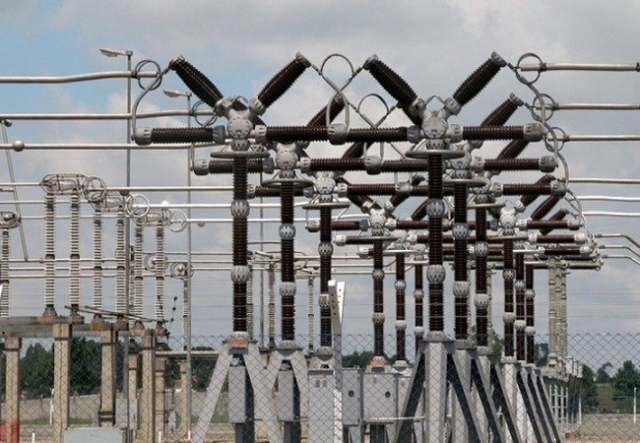


Nigeria’s power sector is sliding into deeper trouble, and the numbers now tell a worrying story. Generation companies say unpaid electricity bills have climbed to about N6 trillion, a figure that threatens the survival of the entire system.
This is not just another policy debate. It is a financial crisis with real consequences for homes, businesses, and the national economy.
### A Debt Mountain That Keeps Growing
Power producers claim they are owed massive sums for electricity already delivered to the national grid. The unpaid invoices have piled up over years, driven by weak collections, tariff gaps, and inefficiencies across the electricity value chain.
Industry leaders argue that generation firms are carrying the biggest burden. They are entitled to around 60 percent of market payments, yet most of that money never arrives.
In simple terms, they generate power but struggle to get paid for it.
Labour vs Power Firms: A Heated Public Fight
The dispute with organised labour has added fuel to the crisis. Labour leaders accused electricity firms of “institutionalised extortion,” a charge the companies strongly rejected.
One industry leader said the accusations created a misleading picture of the sector, adding that calling power firms robbers ignores the deep structural problems in the market.
The companies insist they are open to forensic audits to prove their claims and clear doubts about phantom subsidies and hidden deals.
Why Investors Are Watching Closely
Nigeria’s electricity market has battled liquidity problems since privatisation in 2013. Experts say the system was designed with weak revenue collection mechanisms and unrealistic tariffs.
That design flaw now shows up in mounting debts, delayed payments, and stalled investments.
For investors, this is a red flag. A sector that cannot pay suppliers cannot attract fresh capital or expand generation capacity.
Technical Comparison: How Nigeria’s Power Market Differs
Nigeria runs a centralised market where distribution companies collect money and remit to a bulk trader, which then pays generators. This structure creates long payment chains and delays.
In contrast, markets like South Africa and parts of Europe allow direct power purchase agreements between generators and large consumers. That model reduces middlemen and improves cash flow.
Nigeria’s current structure amplifies revenue leakages and makes unpaid electricity bills in Nigeria more difficult to resolve.
### The Real Impact on Nigerians
The crisis goes beyond corporate balance sheets. When generation firms lack funds, maintenance suffers. Fuel supply becomes uncertain. Power outages increase.
That is why many factories run on diesel generators, increasing production costs and hurting competitiveness.
Without reforms, Nigeria electricity liquidity crisis risks slowing economic growth and worsening unemployment.
### What Must Change Now
Industry insiders say tariff reforms, stronger enforcement, and better billing systems are urgent. They also call for government-backed payment guarantees to stabilise the market.
We believe the sector needs transparent reforms that rebuild trust among investors, regulators, and consumers.
If Nigeria fails to fix electricity market debt Nigeria, the country will remain stuck in a cycle of poor supply and rising costs.
### A Warning the Government Cannot Ignore
The N6 trillion debt figure is more than a headline. It is a warning that Nigeria’s power sector stands at a crossroads.
Fixing power sector revenue collection Nigeria is no longer optional. It is a national priority.
Until the system pays those who generate electricity, stable power will remain a distant dream.