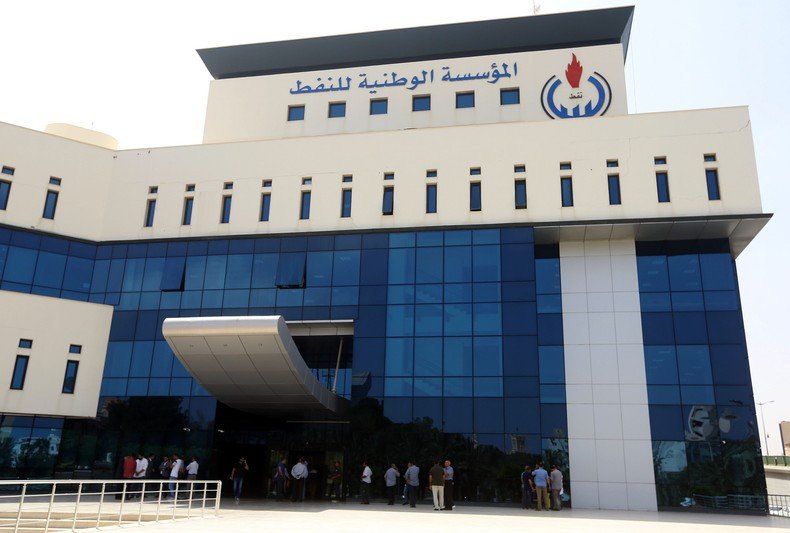
According to Reuters, industry sources stated that companies including Vitol, Trafigura, and TotalEnergies secured rights to deliver gasoline and diesel cargoes to the country in recent tender rounds. The move gives Western firms broader access to Libya’s downstream market while curbing Moscow’s foothold.
Libya, Africa’s second-largest oil producer, pumps roughly 1.4 million barrels of crude per day but lacks sufficient refining capacity, leaving it heavily dependent on imported fuel. The country has been rebuilding its energy sector following the 2011 fall of Muammar Gaddafi and years of internal conflict.
According to three traders familiar with the outcome, Vitol alone won the right to supply between five and ten gasoline cargoes monthly, alongside some diesel volumes. Trafigura and TotalEnergies also secured supply allocations. Libya’s state-owned National Oil Corporation additionally awarded tenders to OMV, BGN, and Italian refiner Iplom.
The new tender system replaces Libya’s previous practice of swapping crude exports for imported fuel. Officials are also running upstream licensing rounds for the first time in two decades as the country seeks to lift production capacity to 2 million barrels per day.

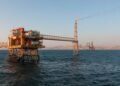
Russian fuel exports to Libya fall sharply
The changes are already reshaping trade flows, as data from analytics firm Kpler shows that Russian fuel shipments to Libya have plunged to about 5,000 barrels per day in 2026, down sharply from roughly 56,000 barrels per day in 2024 and 2025, when Russia was the dominant supplier.
Mediterranean refiners are filling the gap. Italy has emerged as Libya’s leading fuel source this year, shipping around 59,000 barrels per day, largely from facilities linked to Vitol and Trafigura.
Beyond imports, Libya is also recalibrating its crude export strategy. Sources said BGN’s previously strong export position will diminish as larger Western traders receive lifting rights. Swiss firm Transmed Trading has already picked up several cargoes and is expected to continue loading in the coming months.
Taken together, the tender awards and upstream deals signal a decisive realignment in Libya’s energy relationships, one that strengthens Western commercial presence while steadily eroding Russia’s once dominant role in the country’s fuel supply chain.