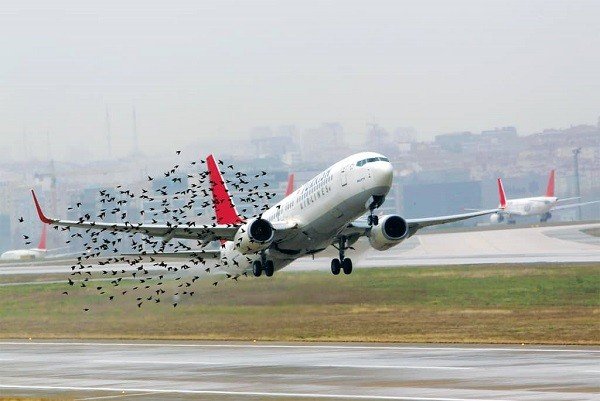
The airline reported its fourth bird strike this year, with the preceding incident necessitating the temporary withdrawal of two Airbus A320 aircraft from service within a 24-hour period.
Per the information released by the airline, the fourth bird strike occurred on Sunday at the Nnamdi Azikiwe International Airport in the Eastern part of the country, en route to Murtala Muhammed International Airport in the Western part of the country, as the UN0519 aircraft began to take off.
“United Nigeria Airlines wishes to inform its valued passengers and the general public that a second bird strike in less than 24 hours, and the fourth since January 2026, has occurred on one of the engines of another Airbus A320 aircraft during the take-off of Flight UN0519 scheduled for 12:00 hours from Nnamdi Azikiwe International Airport, Abuja, to Murtala Muhammed International Airport, Lagos, on Sunday, 15 February 2026,” the airline stated.
United Nigeria Airlines disclosed to The Punch that shortly after takeoff, a bird strike damaged one of the aircraft’s engines, leading to the urgent decision to ground the aircraft for thorough mechanical examinations.
“In line with our strict and uncompromising safety standards, the affected aircraft has been withdrawn from service for comprehensive technical inspections before returning to operations,” the airline revealed.
“This is indeed another bird strike too many; however, we sincerely apologise for any inconvenience this unforeseen development may cause to your travel plans and kindly seek the understanding and patience of our valued passengers and the general public,” the airline said.
United Nigeria Airlines stated that the aircraft underwent precautionary examinations to verify its airworthiness before being approved for further flights, even though no obvious damage was found at the time.


Bird strikes in Nigeria
Bird strikes are a hazard for aviation in Nigeria, particularly near congested airports and regions with high bird populations, such as marshes and open fields.
Collisions with birds can damage engines, windshields, and wings, resulting in flight delays, diversions, or emergency landings.
Nigeria’s increased aviation traffic and airport network increase the likelihood of these events, particularly during takeoff and landing.
To reduce dangers, airports use bird control tactics such as habitat management, scare devices, and skilled wildlife patrols.
Despite these improvements, pilots must maintain vigilance, and airlines emphasize safety standards to protect passengers and avoid costly aircraft damage.