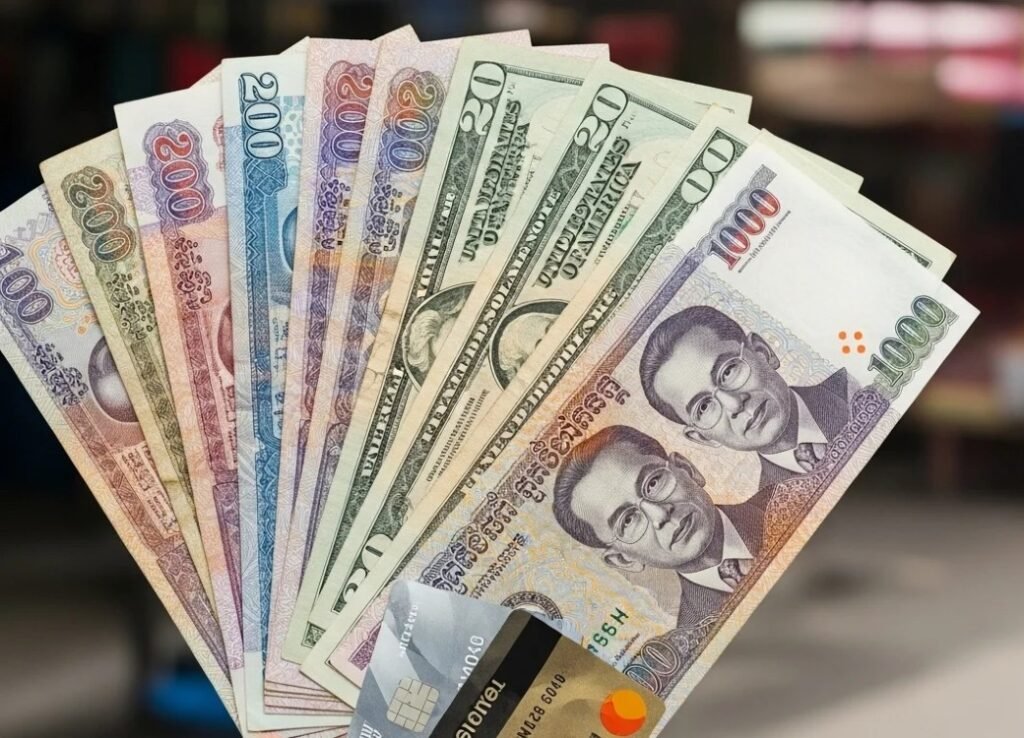
De-dollarization is reshaping daily transactions in Cambodia, where the Cambodian riel and the US dollar coexist peacefully. Both currencies complement each other in various mediums of exchange across the country. Cambodia has developed a dual currency system, and the pragmatic approach has remained the primary structure for nearly three decades.
However, Cambodia’s recent initiative is a small-scale de-dollarization effort, where it aims to make the local currency circulate more for daily transactions. This would make the US dollar be used for bigger transactions only, while the day-to-day payments will be made in the Cambodian riel. The rule is simple: routine purchases in local currency, bigger spending in the US dollar.
Also Read: Trump’s World Liberty Financial To Compete With Ripple?
Here’s the Steps Cambodia is Taking For De-Dollarization
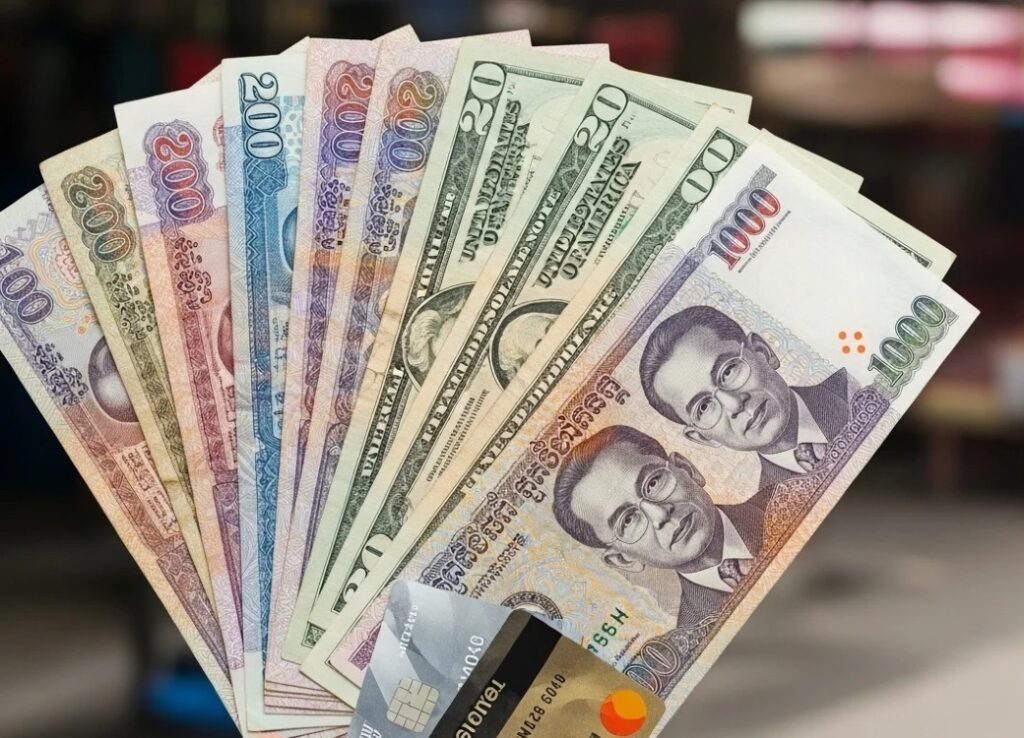
Cambodia’s de-dollarization push is systematically removing small-denomination US dollars for payments. Currency bills such as $1, $2, and $5 are being phased out from circulation. Merchants have been directed to reject the bills when offered by customers as payment. Therefore, small-dollar transactions are becoming impractical across the country.
In addition, ATM’s in Cambodia will now dispense only $100 bills in the de-dollarization push. Customers will no longer find smaller denominations of the US dollar and will have to use the riel. Merchants will be unable to hand out change in USD below $100 purchases. Small change in the greenback will be made virtually unavailable, and the riel will take its place.
Therefore, small-value transactions, like street food or a quick water bottle, will be exclusive in the riel. Bigger transactions like hotel bookings, cabs, and business-to-business transactions will use the US dollar. This is a small-scale de-dollarization effort in Cambodia that causes no harm to the USD. The gradual transition will bring the riel back to circulation, starting from the bottom. Liquidity in the riel will increase through this small-scale de-dollarization initiative started by the government.