The development places Africa’s largest economy at the heart of efforts to shape a unified monetary system and strengthen financial governance across the continent. It also extends Nigeria’s representation to the Board of the Technical Convergence Committee of the African Monetary Institute, widely regarded as a precursor to the operationalisation of the African Central Bank.
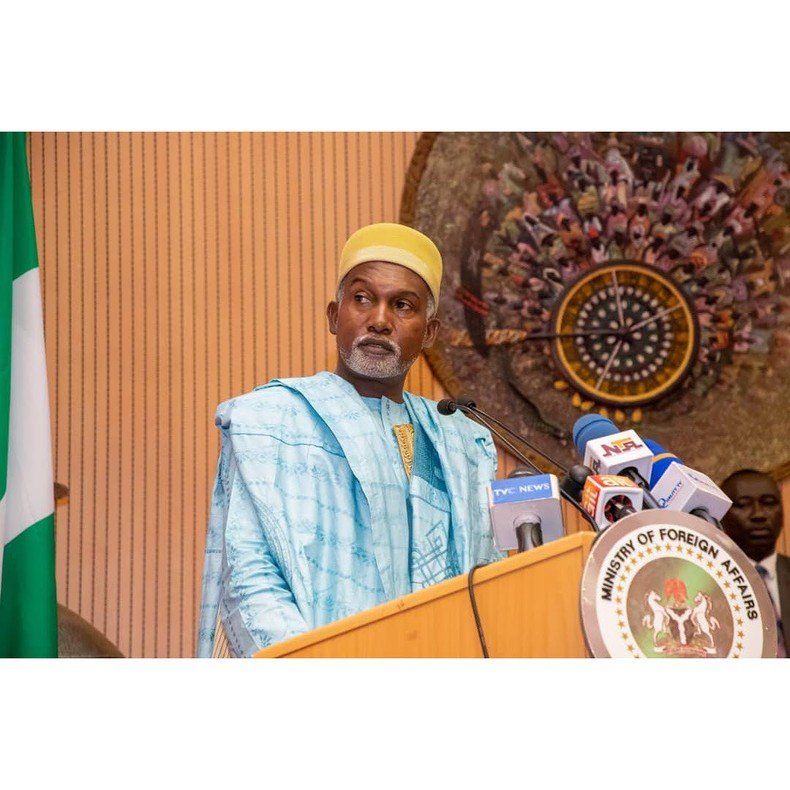
Nigeria’s Minister of Foreign Affairs, Yusuf Tuggar, characterised the decision as a “major milestone for Nigeria and for Africa’s monetary integration agenda”.
“The permanent seat on the Board of the African Central Bank reflects our technical expertise, economic significance, and consistent commitment to building strong continental institutions,” he said.
According to Tuggar, Nigeria’s dual presence at both institutional levels will help shape the fiscal and monetary frameworks that are expected to define Africa’s financial future, as policymakers work to harmonise macroeconomic policies across member states.
Beyond economic governance, the session also saw candidates jointly endorsed by the Economic Community of West African States elected to the Peace and Security Council. Tuggar said the outcome demonstrated regional cohesion in advancing stability and collective security.
Nigeria convened a ministerial-level high-level panel on regional partnerships for democracy, bringing together officials from across Africa and international partners to examine institutional resilience and inclusive governance.
Abuja maintains that the combined outcomes reinforce its ambition to anchor economic integration, democratic consolidation, and sustainable development efforts across the continent.